


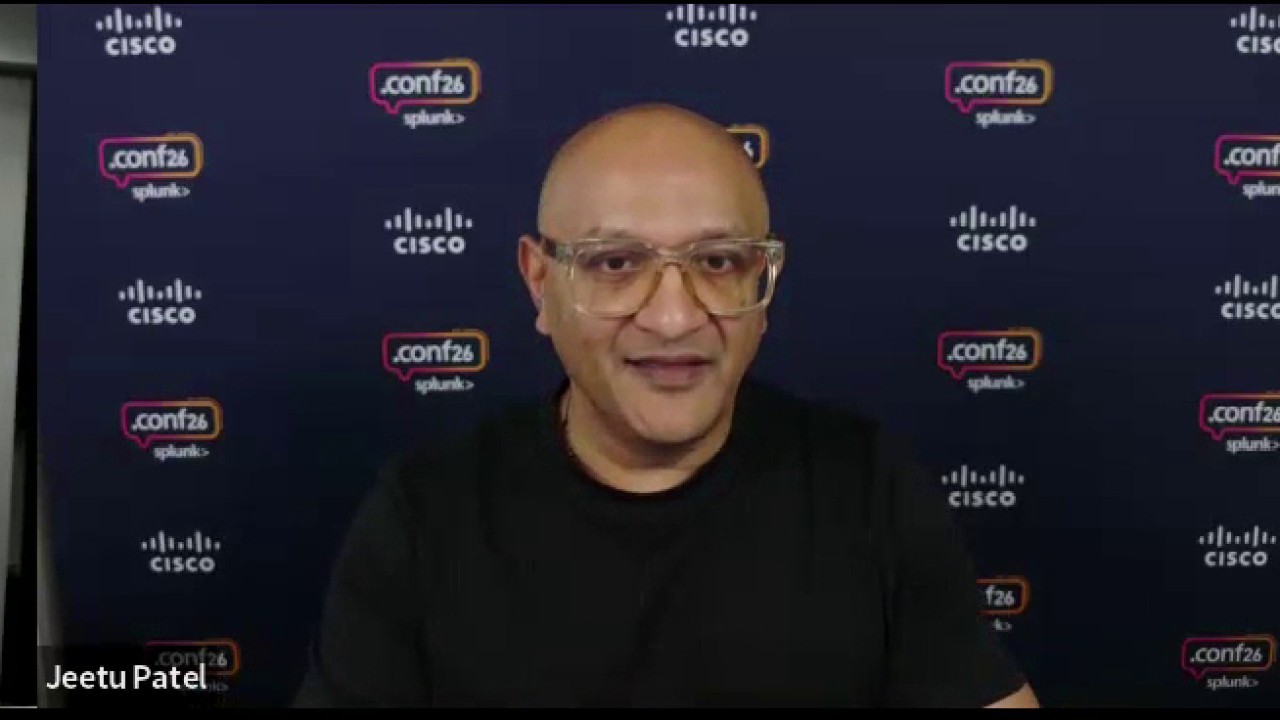
Cisco president and chief product officer Jeetu Patel has warned that the rapid expansion of artificial intelligence brings significant risks alongside its commercial potential, as businesses race to adopt increasingly autonomous systems.
Speaking in an interview, Patel said AI was moving beyond conventional chatbots towards agents capable of carrying out tasks with limited human intervention. That shift, he argued, would create fresh opportunities for companies while also raising difficult questions about trust, security and accountability.
Patel said organisations should treat AI agents more like digital colleagues than ordinary software tools. Giving such systems access to sensitive information or the authority to act on behalf of employees would require strong safeguards, he indicated.
The Cisco executive has previously highlighted the gap between interest in AI and the willingness of companies to deploy it in production. Many businesses are experimenting with AI agents, but concerns over reliability and security continue to hold back wider use.
He said Cisco was reshaping itself around artificial intelligence, embedding the technology across its operations and developing the networking, security and data infrastructure needed to support the next phase of growth.
That expansion is taking place as technology companies invest heavily in data centres and computing capacity. Cisco’s role includes connecting the processors used to run AI systems and helping businesses manage the networks and security controls around them.
Patel has also argued that AI could help societies cope with longer-term demographic pressures, including falling birth rates and ageing populations. But he stressed that the technology’s benefits would depend on human beings retaining control over how it is developed and used.
His comments come amid growing debate over whether the industry is moving faster than regulators, businesses and the public can safely manage. For Cisco, the challenge is to capture the economic gains from AI while ensuring that trust and protection are built into the systems from the outset.
