


Earl Spencer has accused Buckingham Palace officials of “gaslighting” him after they suggested grief may have affected his memory of a private conversation with King Charles about Princess Diana.
Spencer has stood by his claim that Charles, then the Prince of Wales, told him the world would soon forget Diana after her death in a car crash in Paris in 1997.
The dispute centres on plans for Diana’s sons, Princes William and Harry, to walk behind her coffin during the funeral procession. Spencer says he objected to the arrangement in a telephone conversation with Charles, who insisted it would proceed.
In his new book, Swan Song: Diana, My Sister, Spencer writes that Charles expressed “pent-up contempt for Diana” and said: “Rest assured, we’ll forget her soon enough.”
Buckingham Palace issued a statement disputing Spencer’s version of events, while avoiding a direct denial of the words he says were used.
“While we do not comment on books as a matter of principle, His Majesty is mindful that the pain of fraternal grief can cloud reason, affect judgment and colour memory in ways others do not recognise, even many years after such a loss,” the statement said.
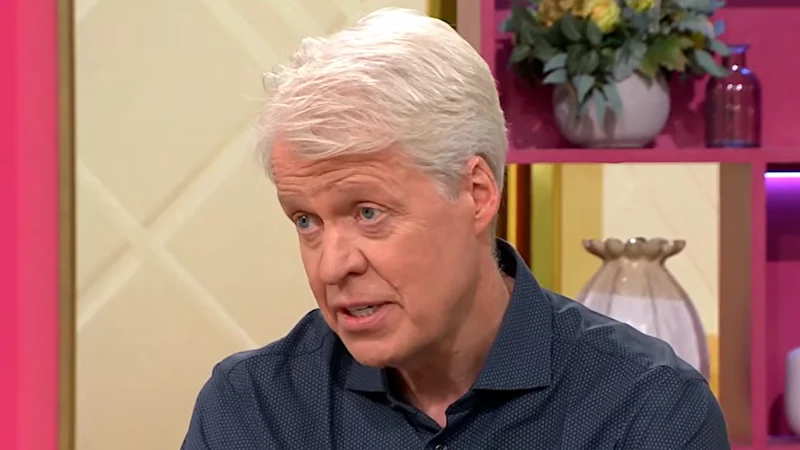
Speaking on ITV’s Lorraine, Spencer said the palace had attempted to undermine his recollection rather than address his account directly.
“If you look at the words, it’s classic gaslighting,” he said. “So what they do is, ‘Oh, maybe his mind’s not right to remember these things because of the distance of time and grief’.”
“No one said that the King didn’t say that because he did,” he added.
Spencer said he had not written the book as an attack on the King, but to explain the origins of the eulogy he delivered at Diana’s funeral and to celebrate his sister.
“I wasn’t setting out to do a hit piece on the King at all,” he said. He added that the reference to Diana being forgotten was necessary because it provided a direct contrast with the closing message of his eulogy, that she would “never be extinguished from our minds”.
Dispute over Piers Morgan reference
The controversy has been intensified by a factual error in Spencer’s book, in which he describes broadcaster Piers Morgan as an editor of the Daily Mirror at a time when he was not.
Morgan has said he intends to sue Spencer and has called on publisher Penguin Random House to stop selling the book.
Spencer acknowledged the mistake during the interview, saying: “I’m very happy to acknowledge I made a small error, and I’ve apologised, and it will be put right in the second edition.”
Morgan said the error was more serious than a minor slip because Spencer had accused him of “the most egregious invasion of royal privacy in history”.
Extracts from the book have prompted criticism from commentators in The Times and the Daily Telegraph, who have questioned Spencer’s memory and suggested he wrote a sensational book for financial gain.
