


GLP-1 medicines are linked to fewer hospital visits and lower medical spending, but their current prices remain too high for the savings to offset the cost of treatment, a CVS Health analysis has found.
The research, based on anonymised Aetna insurance claims, suggests health plans could break even if the drugs cost about $350 (£275) a month or less over three years. The figure varies according to a patient’s underlying health risks, how long they remain on treatment and how consistently they take the medication.
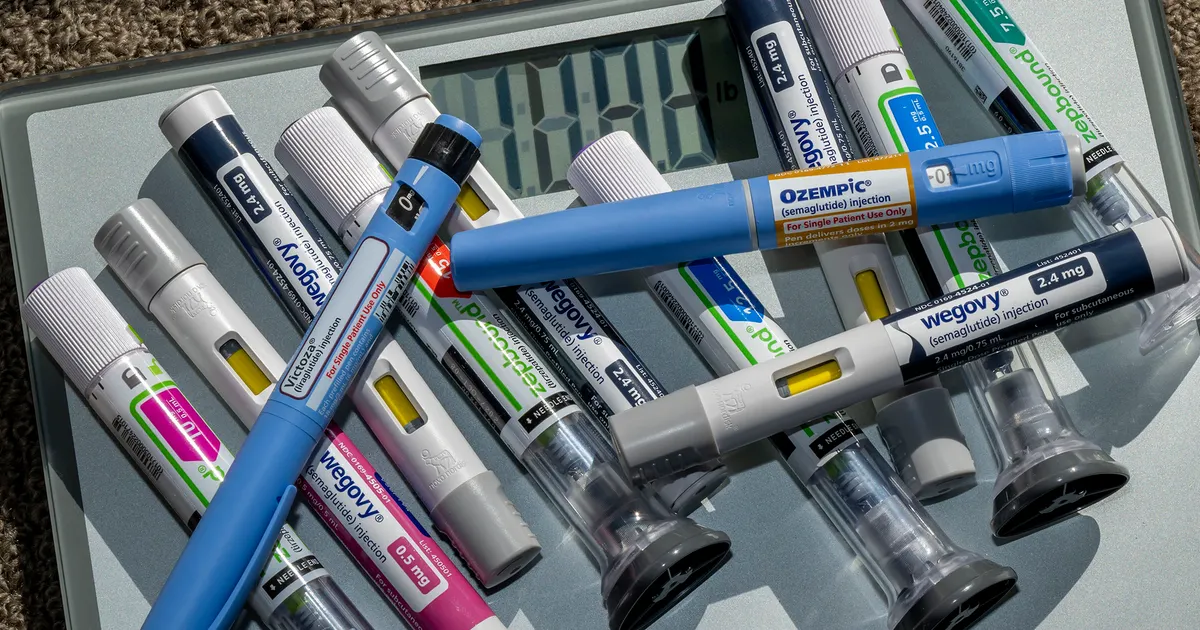
CVS researchers studied members who began taking GLP-1 drugs between 2023 and 2025, comparing them with similar people who were not prescribed the medicines. The analysis covered treatments including Ozempic, Wegovy, Mounjaro and Zepbound.
GLP-1 medicines linked to fewer hospital visits
Among patients taking the drugs, emergency room visits were 10 to 12 per cent lower during the first and second years of treatment, according to the analysis.
A separate review of about 4,000 people who were still taking GLP-1 medicines after three years found that hospitalisations had fallen by between 34 and 42 per cent.
However, the reductions in medical spending did not fully compensate for the cost of the prescriptions. Aetna’s data showed average savings of $9,400 per person on medical bills, against an additional $13,300 in prescription spending, leaving an overall increase of about $3,900.
Dr Amy Compton-Phillips, chief medical officer at CVS Health, said the financial return was likely to come more quickly for patients at greater risk of serious illness.
“An older person with diabetes is going to have a higher risk for hospitalization than a younger person who is obese without diabetes,” she told Reuters. “The higher-risk the person is, the quicker you get to a return on investment.”
Drug prices remain central to wider insurance coverage
List prices for GLP-1 medicines can exceed $1,000 a month, although Eli Lilly and Novo Nordisk offer some direct-to-consumer options at lower prices, depending on the drug and dose.
Employers and other health plan sponsors are reported to pay between $617 and $766 a month for the medicines. CVS Health said its modelling indicated that a net price of about $350 a month would balance pharmacy costs against the medical savings observed in the study.
The company’s findings come as some employers review or withdraw coverage for obesity treatments because of rising healthcare costs. Reuters reported that about 14 per cent of companies had dropped, or planned to drop, coverage for the drugs in 2027.
CVS Health said the analysis was not intended to suggest that financial break-even should be the only measure of a medicine’s value. It said the results showed why pricing would be crucial if employers and insurers were to expand access without placing unsustainable pressure on healthcare budgets.
GLP-1 medicines were initially developed for type 2 diabetes and are now also used for obesity, with approved applications extending to certain cardiovascular, liver, kidney and sleep-related conditions. CVS said more than 137 million adults in the United States may be medically eligible for semaglutide-based treatments across approved indications.
