


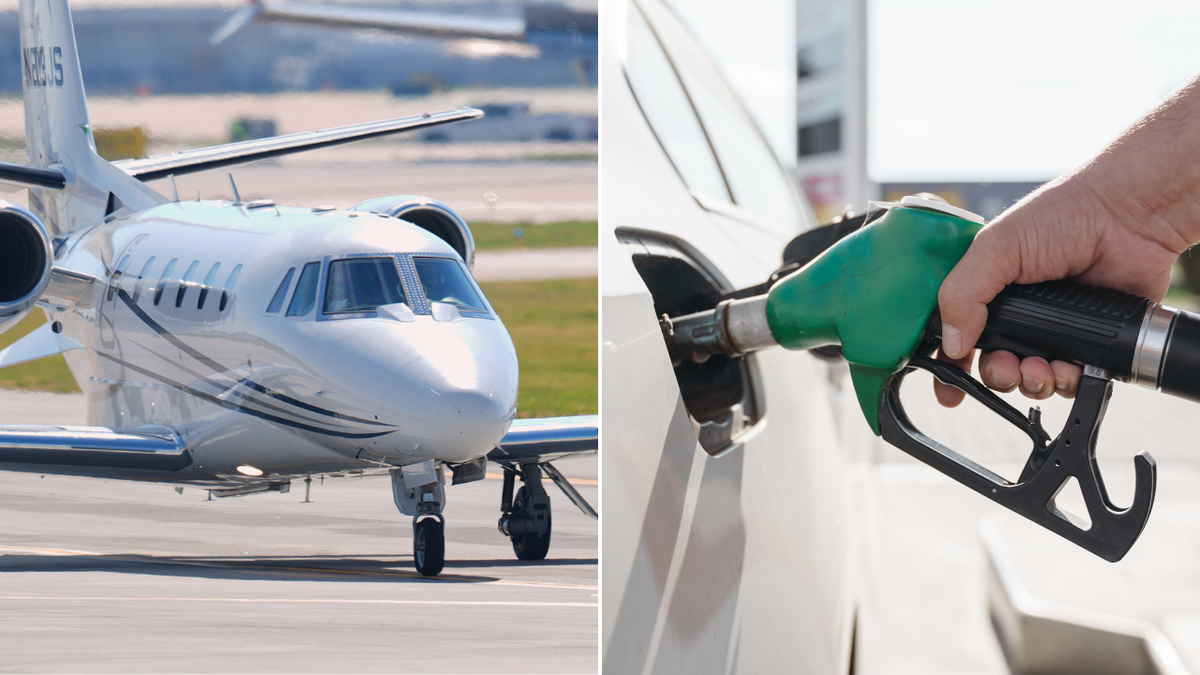
Australian motorists are paying 15 times more in fuel tax than private aircraft owners, according to figures that have prompted calls from the Greens for the Albanese Government to change the system.
Petrol drivers pay 53.7 cents in fuel excise for every litre, while private aircraft are charged 3.556 cents per litre under Australia’s aviation fuel tax arrangements. More than 200 private jets are understood to operate in Australia.
Greens target private jet fuel tax
Greens leader David Shoebridge said the disparity unfairly benefited some of the country’s wealthiest people, particularly as households faced pressure from rising living costs.
“While you’re searching for a supermarket receipt to save 4 cents a litre, Labor’s using your money to give Australia’s billionaires hundreds of millions off their jet fuel bill,” Senator Shoebridge said.
“If someone’s rich enough to own a plane they don’t need help paying for the fuel. Yet again, Labor is working for the 1 per cent, not for you.”
Parliamentary Budget Office costings indicate that matching the fuel excise rate for private jets with the rate paid by motorists would improve the fiscal balance by about $1.2 billion over the 2026-27 budget forward estimates.
The change would also improve the underlying cash balance by about $1.5 billion across the same period, including an estimated $640 million in 2026-27 alone.
Senator Shoebridge described the existing arrangements as a publicly funded benefit for wealthy aircraft owners.
“Labor’s priorities are all wrong,” he said. “Anthony Albanese shouldn’t be cutting services for disabled people and pensioners, while helping the 1 per cent fill up their private jets for cheap.”
Aviation tax applies beyond private aircraft
The lower aviation fuel rate is not restricted to private jets. It also applies to specialised aviation fuel and kerosene used by commercial airlines, charter operators and other aircraft, including regional aviation services and the Royal Flying Doctor Service.
Commentator Richard Clune said the arrangement covered the aviation sector broadly rather than distinguishing between private aircraft owners and commercial operators. He said it had been designed in part to support regional connectivity and competition between airlines.
However, he questioned whether the policy would withstand public scrutiny, saying: “Albanese loves a pub test. I don’t reckon this passes it. It does not pass it.”
Cat Lynch said the difference would be difficult for Australians to accept while mortgage and grocery costs remained a concern.
“It’s a massive sting,” she said. “I think it just plays into that same sentiment for the general Australian public that powerful people get concessions because the government is a little bit frightened of those people up top.”
She added: “If you can own a private plane, you probably don’t need a tax cut in order to refuel it.”
