


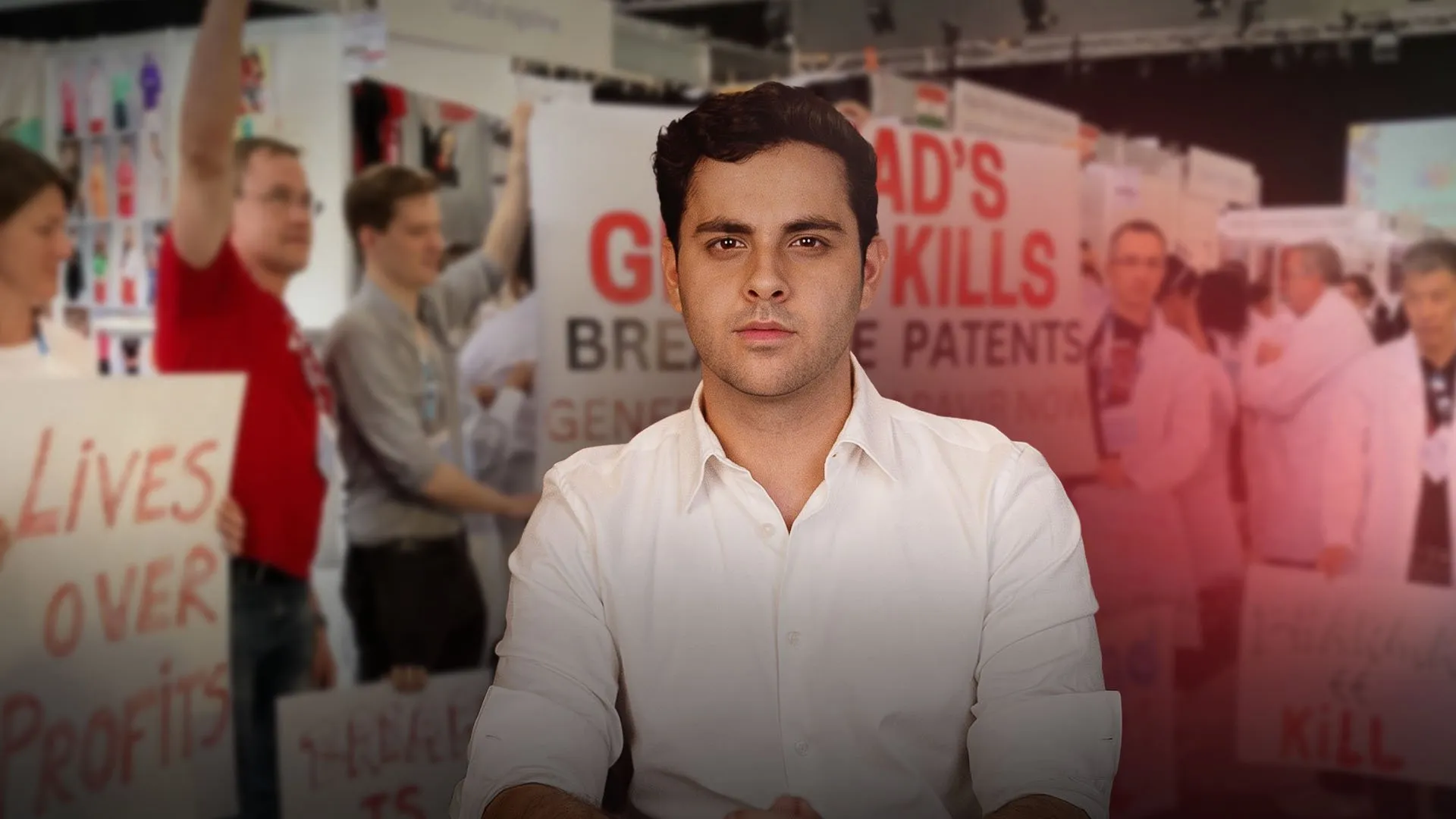
A twice-yearly injection could transform HIV prevention, but questions over access are placing public funding, pharmaceutical power and drug prices under scrutiny.
The treatment has been described as the closest thing to an HIV vaccine. Its potential benefits, however, are tied to who can obtain it and how access is financed.
The debate comes as global health funding shrinks, raising concerns about the ability of health systems to provide the injection widely.
A report by Mikail Malik examines the fight over access and the competing interests shaping the future of HIV prevention.
