


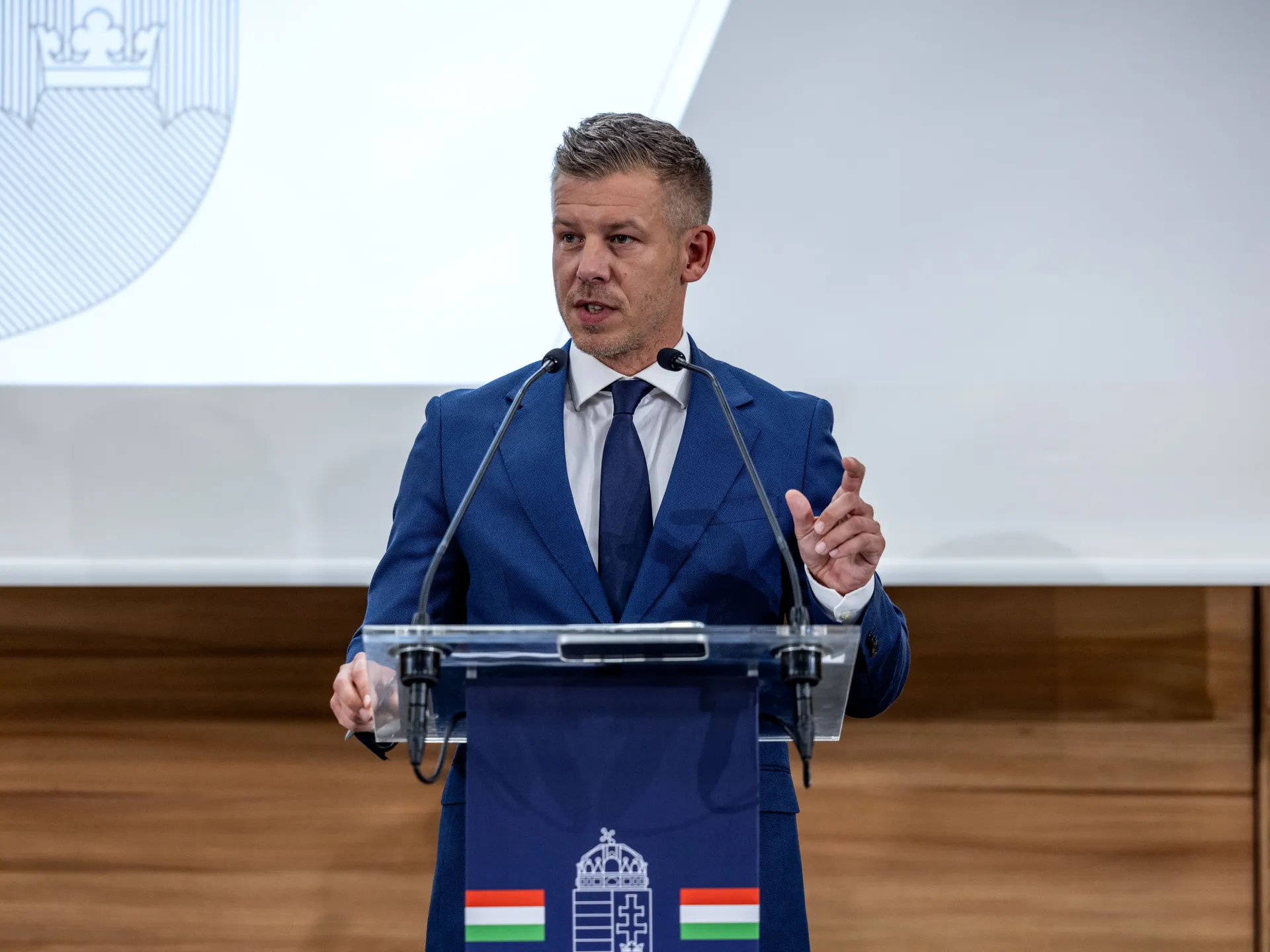
Hungary’s Parliament has lifted Prime Minister Peter Magyar’s immunity, along with that of two former ministers from Viktor Orban’s government, clearing the way for separate criminal investigations.
The vote was overwhelmingly in favour, after Magyar asked lawmakers to remove his immunity so he could answer allegations he described as “character assassination”. Orban’s Fidesz party and its KDNP ally boycotted the session.
Prosecutors are investigating Magyar over an incident at a Budapest nightclub in June 2024. They allege he took a mobile phone from a man who was filming him and threw it into the Danube River.
Magyar has called the case a “sham”. Last week, he accused prosecutors of trying “to conflate” the former ministers’ cases “with the attempt at political character assassination… which has already failed several times”.
Investigations into former ministers
The parliamentary decision also allows proceedings against Balazs Hanko, a former culture minister and Fidesz legislator, and Miklos Sesztak, a former national development minister and KDNP lawmaker.
Hanko is accused of embezzling more than 40 million euros in public funds. Prosecutors allege that the money was used to help finance the 2026 parliamentary election campaign and for the personal benefit of others.
Sesztak is being investigated over allegations that he accepted more than 37.2 million dollars in bribes and kickbacks connected to vehicle procurement by Hungary’s state bus company and to state construction projects.
Both former ministers deny any wrongdoing. The investigations are the first corruption probes involving senior government figures from Orban’s 16 years in power.
The cases come less than six months after Magyar’s Tisza party ended Orban’s rule with a landslide election victory. Magyar campaigned on promises to tackle corruption, restore rule-of-law safeguards and repair Hungary’s strained relationship with the European Union.
His government has made tackling alleged corruption and overpriced public procurement a central part of its programme, including plans for an asset-recovery office focused on suspected wrongdoing linked to the Orban era.
