


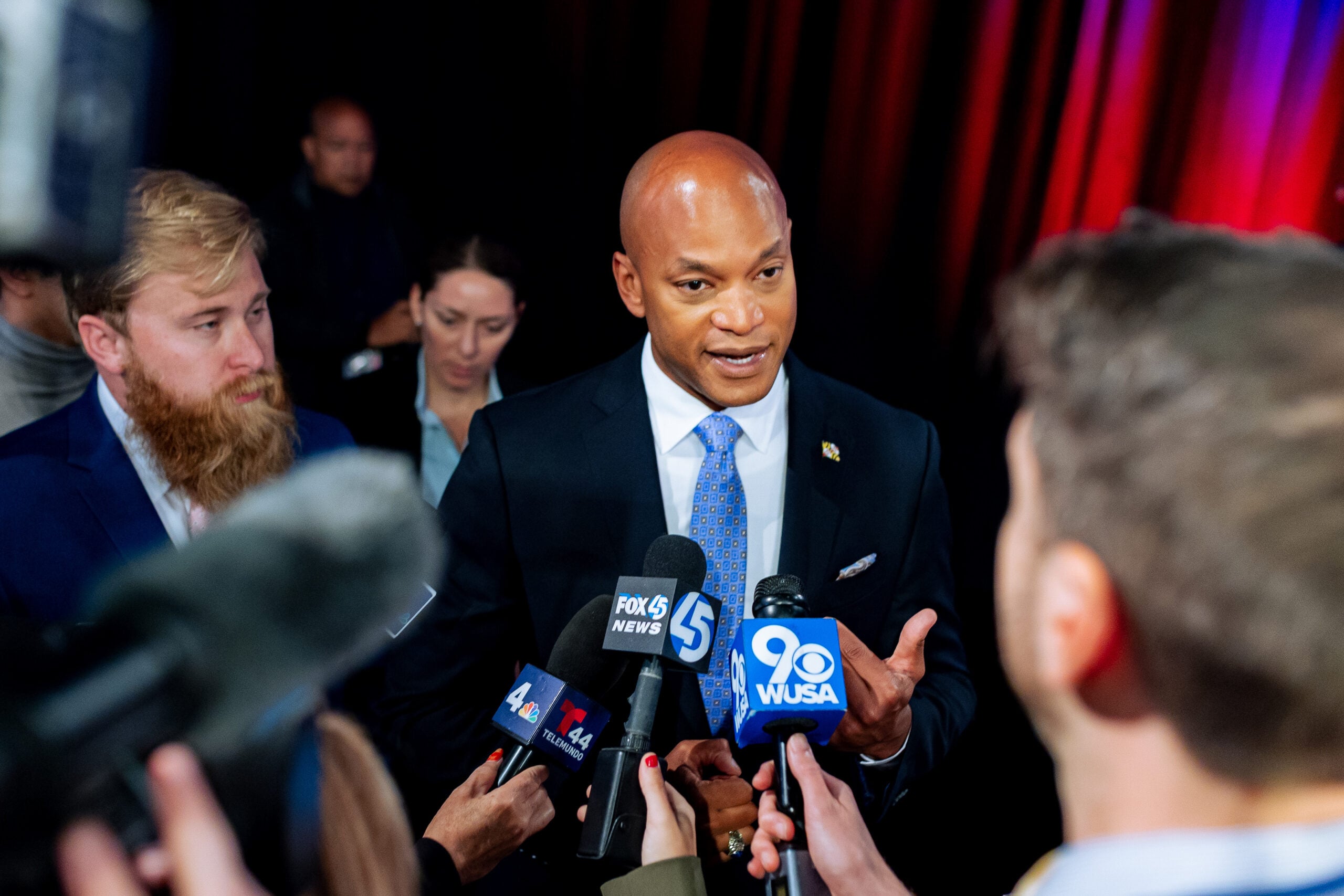
Maryland Governor Wes Moore has said Democrats should seek bipartisan agreements with Stephen Miller, including on immigration, despite his deep distrust of the new White House chief of staff.
Mr Moore, a potential Democratic presidential candidate in 2028 and chair of the National Governors Association, said there was an opportunity to negotiate with the White House over the treatment of unauthorised immigrants living in the US.
“One thing I’ve always said to the people of my state is I will work with anybody, I will bow to nobody,” he said at the US Chamber of Commerce’s B20 Summit.
Mr Moore described Mr Miller as “the architect of some of the most racist, xenophobic, homophobic policies that we have”, but said he still believed it was possible to reach agreements that benefited people in Maryland and elsewhere.
“I wish that there was a different team, because I think the well of distrust that Stephen Miller and his policies have fostered have been deeply poisonous,” he said. “But I still want to make sure that we’re doing good things on behalf of the people of our jurisdictions, and I do think we have a window to do it.”
His comments came after Donald Trump floated the possibility of a bipartisan immigration deal in a television interview, saying his administration’s aggressive deportation policies had been “too tough” and had removed people who held good jobs.
Mr Trump appeared to change position the following day, telling reporters that he opposed offering “amnesty” to undocumented immigrants. Voters have said the mass deportation campaign is too aggressive, while some Republicans in Congress have blamed Mr Miller’s role in shaping the policy for losing support among Hispanic voters in the midterm elections.
AI regulation another possible area for agreement
Mr Moore also identified artificial intelligence safety as a potential area for bipartisan co-operation. He urged the incoming Democratic-controlled Congress to introduce federal rules for AI companies, including safeguards for consumers’ finances, workforce development and infrastructure.
Regulation has so far largely been left to individual states, while Democrats in Congress consider several bills aimed at protecting consumers from the risks associated with AI.
“It’s not useful to have 50 different guidelines for how this country should think about this,” Mr Moore said. “We need Washington to get in the game.”
