


A £1 levy on large concert tickets that has raised millions for grassroots music in the UK is being considered as a possible model for rebuilding Sydney’s struggling live music scene.
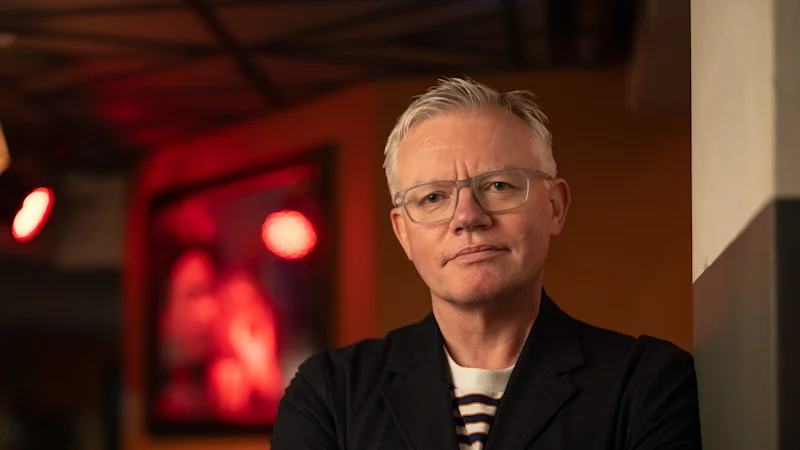
Jon Collins, chief executive of the UK’s Live Music Industry Venues and Entertainment, is in Sydney to address a government nightlife conference after a New South Wales inquiry recommended measures to support the sector.
The proposal follows a period in which London’s live music ecosystem became increasingly unbalanced. While major stadium tours continued to perform strongly, artists, promoters and venues at grassroots and mid-levels faced mounting pressure.
In 2025 alone, 43 festivals were cancelled and 30 venues closed permanently in the UK, according to Collins. Rising costs also left audiences less willing to spend money on unfamiliar acts at smaller venues.
“The ability of people to experiment with that £10 ticket (about $20), go to the small local venue – they don’t have as much leeway to take those risks on that band that they don’t know,” he said.
Collins said audiences were increasingly forced to choose between the security of a familiar cover band and the uncertainty of seeing an unknown act with the potential to become a major artist.
“If you’ve only got limited disposable income, do you want a guaranteed seven out of 10 night out going to see an Oasis cover band … or would you rather go and see that band that you’ve not really heard of that could be a real two out of 10 stinker? Or it could be a nine out of 10, and they’re going to be playing arenas in three years.”
The UK ticket levy model
Following a parliamentary inquiry in the UK, a coalition of 13 live music organisations helped establish a plan for a £1 charge on tickets to concerts with capacities above 5,000. The money is placed in a trust supporting grassroots music.
Artists can choose to add the charge to their tickets. Diana Ross, Lynyrd Skynyrd and Bowling for Soup were among the first to participate, while Olivia Dean, Florence and The Machine, Harry Styles, Lily Allen and Take That have since joined. Sam Fender has committed to the scheme for next year.
More than 130 tours are now carrying what Collins calls “the pound”. The fund has raised £2.5 million this year, with a further £6 million guaranteed through participating artists, and is expected to distribute between £7 million and £8 million in 2027.
The first grants went to seven programmes covering artists, venues, promoters and festivals. They included help with touring costs, support for venues seeking to reduce high energy bills through green energy, and assistance for small and micro festivals.
The trust also funds training in Northern Ireland and Scotland for communities learning how to stage, market, promote and run events, while helping young artists perform for younger audiences.
NSW considers support for live music
The New South Wales State of Live Music inquiry tabled 37 recommendations after three hearings and 105 submissions. It identified rising operating costs, insurance premiums, user-pays policing charges, changing audience behaviour and limited pathways for developing artists as major pressures on the sector.
A ticket levy has emerged as the leading proposal. The Australian Music Venue Foundation, which represents grassroots music venues, initially suggested a $1 charge on tickets for shows with capacities above 5,000.
The organisation estimates that five major Sydney venues alone could generate between $3 million and $3.15 million a year. The levy could be paid by touring artists or audiences through an opt-in arrangement; Olivia Dean donated $1 from every ticket sold on her Australian tour to the foundation earlier this year.
Sarah Kaine, chair of the committee, said a ticket levy could provide sustainable funding for the next generation of artists and venues. Greens MP Cate Faehrmann has argued instead that multinational corporations should fund the local scene through higher taxes, saying consumers already face a range of ticketing charges.
For Collins, protecting live music means ensuring that young people in regional communities can access performances while venues remain able to meet costs such as insurance.
“There’s the opportunity to build a similar coalition here,” he said. “It’s promoters, agents, and managers … that gives you the momentum.”
