


Russell Brand has been jailed for 10 years and six months after being convicted of raping a fan and sexually assaulting three women during the height of his fame.
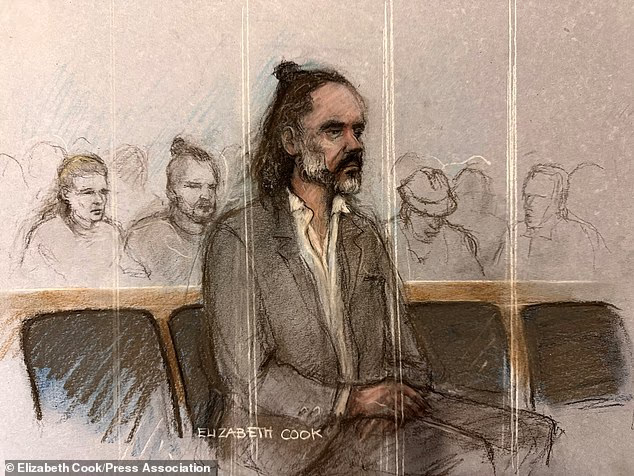
The 51-year-old former comedian showed little emotion as he was sentenced at Southwark Crown Court. He was led from the dock after telling his wife, Laura Gallacher, “I love you” and “we’ll be okay”.
Gallacher, the mother of his three children, visibly crumpled in the public gallery as the sentence was handed down. She later left court holding hands with a friend, while Brand’s father, Ron, appeared shaken by the length of the term.
Passing sentence, Mr Justice Bennathan described Brand as a dangerous “sexual predator” and criticised what he called his “staggering arrogance”.
“You were clever and, in many people’s eyes, funny and charismatic. You had also become a sexual predator,” the judge told him.
He said Brand had shown “a casual and arrogant disregard for a woman’s right to say no”, adding: “Fame meant you thought you could act how you like, when you like.”
The judge told Brand that women retained the right to refuse sexual activity regardless of “what they wear, wherever they go, whatever they drink”, and praised the bravery of those who had given evidence.
Brand was convicted last week of raping a 21-year-old fan in 2009 and sexually assaulting an MTV worker in 2004, a Capital Radio employee in 2005 and a Channel 4 worker in 2009.
He was cleared of two further rape charges and an allegation of attempted indecent assault.
Russell Brand jailed after victims describe lasting harm
The rape victim said Brand had removed a condom without her consent during the assault at his Hampstead home. She told the court she was left bleeding and feared she had contracted HIV, although tests later proved negative.
In her statement, she said his fame, wealth and influence had left her feeling powerless and unable to speak openly about what had happened. She described the criminal investigation and court proceedings as “extremely difficult”, saying each update had reopened painful memories.
“It remains a significant part of my life and continues to influence how I view myself, my relationships and my future,” she said.
The woman assaulted in a Soho bar in 2004 said she had been left traumatised and had struggled with her self-worth. She told the court that hearing Brand’s voice or seeing his image could still make her “jump” years later.
The Capital Radio worker said the assault had had a lasting impact, particularly when she heard Brand on television or social media. She was advised to seek therapy for serious anxiety and said she had not spoken to anyone about the incident for 20 years.
The MTV worker said she became wary of being alone with colleagues in professional settings after the assault, adding: “It opened my eyes up in a bad way.”
Brand was heard praying and clutching a crucifix during the hearing. He had earlier told Gallacher, “It’ll be OK, I don’t know how, but it will,” as he arrived in court.
His barrister, Ian Winter KC, said Brand was “a fundamentally different person today” and urged the judge to temper the sentence. He highlighted Brand’s lack of previous convictions, the 17 years that had passed since the final offence and his work helping people struggling with addiction.
Mr Winter argued that the rape should be regarded as “a man who went too far and overrode consent that had been given”. He also questioned the vulnerability of some of the women involved.
One victim responded in her statement: “A leopard may change its spots, but at the end of the day it’s still a leopard and not a gazelle.”
Mr Justice Bennathan acknowledged the mitigating factors but said Brand’s serious offending would deprive his children of their father’s presence.
Brand has been remanded in custody and is expected to be moved from HMP Wandsworth to a prison specialising in male sex offenders. Possible destinations include HMP Littlehey, HMP Whatton and HMP Rye Hill.
The Metropolitan Police investigation into two further allegations of rape remains ongoing. Prosecutors are also considering whether additional charges should be brought after more women came forward.
