


Donald Trump has acknowledged that his immigration policy may have been too tough for voters, saying his administration’s deportation drive contributed to the Republican Party losing control of both chambers of Congress in last week’s midterm elections.
In his first televised interview since the vote, the US president said some voters had been unhappy with the controversial enforcement campaign, which prompted widespread protests across the country.
“I think it might be too tough,” Mr Trump told CBS’s 60 Minutes, in an interview aired on Sunday.
He suggested he could reach an agreement with the newly Democratic-controlled Congress, saying: “The deal would be we would work something out.” He added: “I think that’s something that’s actually doable.”
Mr Trump said a more moderate immigration arrangement could still lead to the deportation of criminals, while allowing “good people” who had lived and worked in the US and paid taxes to remain.
His remarks came after he appointed Stephen Miller, the chief architect of his hardline immigration policy, as White House chief of staff in place of Susie Wiles. The move has raised questions about whether the administration intends to alter its approach.
Chuck Schumer, the Democratic leader in the Senate, criticised the appointment in a post on X. “Trump says his immigration crackdown went too far,” he wrote, adding: “Apparently, his solution was to put the man responsible for it in charge of the White House. That’s not a course correction. That’s a promotion.”
Mr Trump had campaigned on promises of an immigration crackdown, blaming undocumented migrants he described as “killers” and “drug dealers” for rising crime.
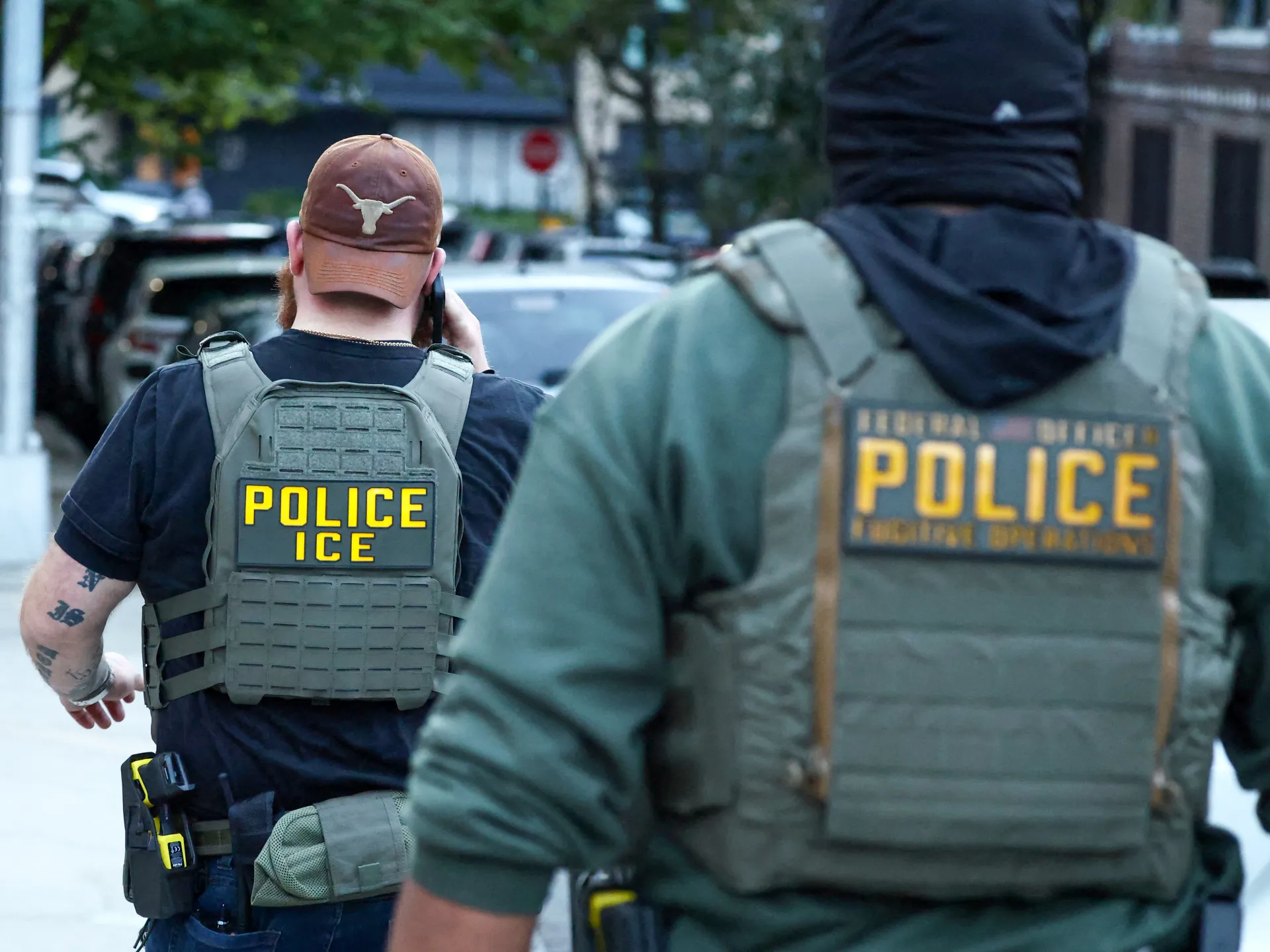
His administration subsequently launched extensive operations to detain and deport immigrants in several US cities, leading to a sharp increase in arrests. Protests against the operations were followed by the deaths of two US citizens, Renee Good and Alex Pretti, who were killed by federal officers.
Democrats have said oversight of Immigration and Customs Enforcement and the Department of Homeland Security will be a priority for the new Congress.
