


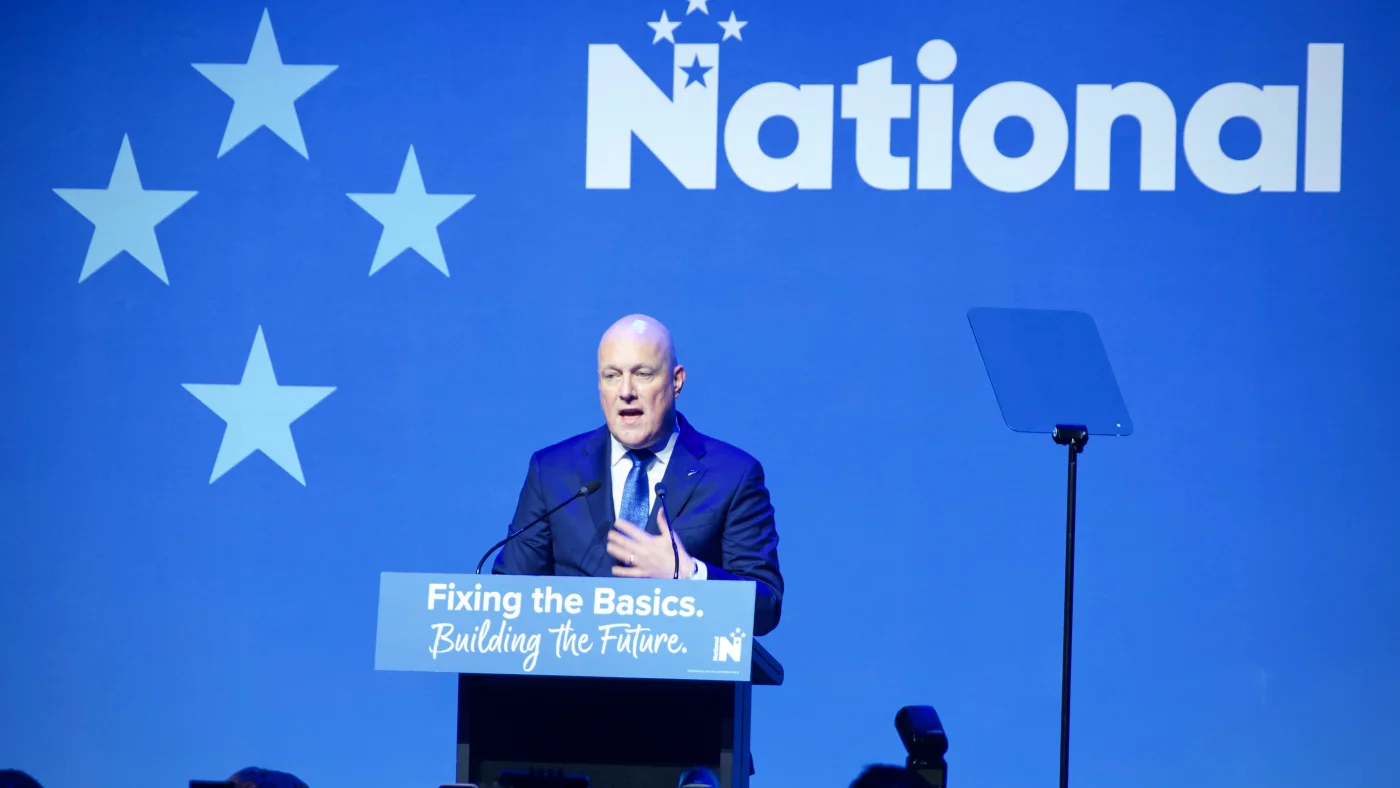
New Zealand’s election has produced no clear winner, leaving Prime Minister Christopher Luxon and Labour leader Chris Hipkins facing weeks of negotiations to secure a governing majority.
The result delivered a setback for both of the country’s main parties, while smaller groups gained the leverage to demand policy concessions in return for their support.
With 2.8 million ballots counted on election night, Luxon’s centre-right National Party appeared to have the narrowest route back to power. Its conservative bloc held 67 seats, one above the 66 needed for a majority in the 131-seat Parliament.
However, the margin could change when nearly 400,000 special votes are counted. The ballots, including those cast by New Zealanders living abroad, are expected to be processed over three weeks, with the final tally due on November 27.
Special votes have historically added one or two seats to left-wing parties. That could remove the right’s slender advantage, although the left-wing bloc currently has only 57 seats and would also need outside support to govern.
New Zealand election puts minor parties in a powerful position
The Opportunity Party emerged as a crucial new force, winning seven seats under its 38-year-old leader Qiulae Wong. The party is not aligned with either major bloc, and Wong has said she could work with either side.
Opportunity’s platform included evidence-based centrism and an end to partisan conflict. Its result was a striking rise for a party that had failed three times to enter Parliament before Wong became leader less than a year ago.
National won 29.21% of the preferred party vote and secured 42 seats, all through local constituency victories. Labour won 29.36% but held 36 seats after winning fewer local races.
The Greens won 16 seats, while the Indigenous rights party Te Pāti Māori secured five. Libertarian ACT won 13 seats and populist New Zealand First took 12, strengthening the hand of the traditional partners on the right.
Luxon did not claim victory, but said National had a viable path to forming another government. He attributed dissatisfaction with the incumbent administration to global shocks affecting New Zealand’s trade-based economy and the wider pressure of living costs.
Several senior National figures are set to leave politics on the results so far, including the finance and defence ministers, the Speaker of Parliament and the attorney general. The party’s weakened position could make negotiations with its governing partners more demanding.
Hipkins, who was removed from office in 2023 amid economic discontent, remained hopeful that the left could prevail, although the numbers currently point to a more difficult path. Labour would apparently need Wong’s support to form a government even if the special-vote count improves its position.
Luxon had repeatedly ruled out negotiating with Wong before the election. Asked on Sunday whether the narrow result had changed his position, he avoided giving a direct answer.
Luxon will lead a caretaker government while the parties wait for the final count and attempt to reach an agreement. “I think everyone’s over politics so let’s all have a bit of a break for the next three weeks,” he told reporters.
If no governing arrangement can be secured, New Zealand could face another election.
