


Donald Trump’s plan to bring in discounted, tariff-free foreign beef is creating political difficulties for Republicans in Nebraska, Iowa, Kansas and Texas, where ranchers fear it will weaken the domestic cattle industry and competitive Senate races are under way.
The proposal would remove tariffs on 300,000 metric tons of imported beef, to be sold at 25 per cent below current market prices. It has been condemned by farm-state Republicans concerned about the impact on American ranchers, while Democrats and independent candidates see an opportunity to challenge the party over rising household costs.
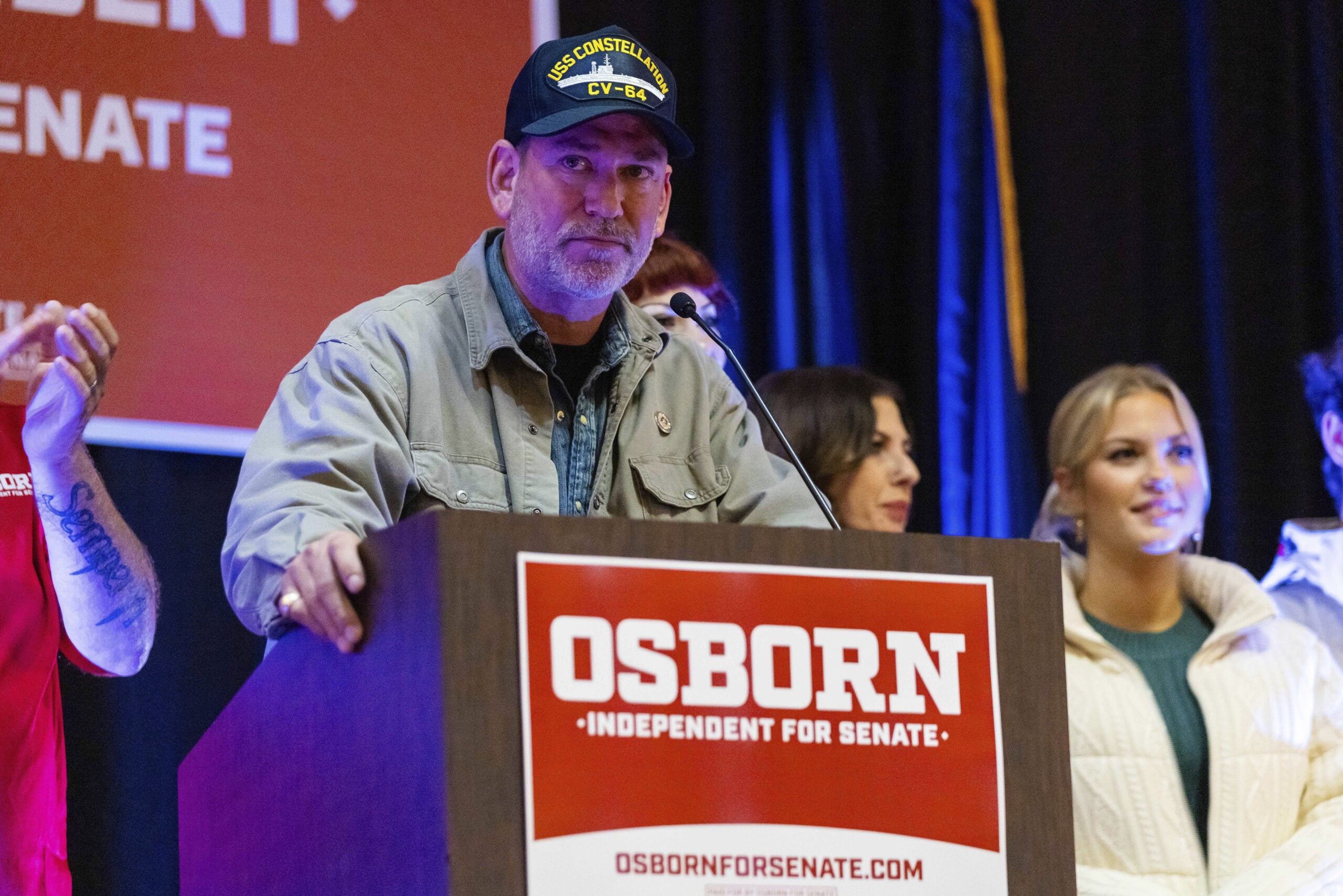
In Nebraska, independent Senate candidate Dan Osborn has launched a campaign advert attacking the policy as an abandonment of farmers and ranchers. His campaign says it will spend at least six figures on the advertisement, the first major spending effort centred on the beef import plan.
“Our ranchers and our farmers keep getting kicked in the teeth, and we have politicians that keep telling us that everything’s great, that we’re the hottest country,” Mr Osborn said. “And to be quite frank, I’m pretty pissed off about it.”
His advert accuses the plan of “selling out American farmers and ranchers” and says Congress has been “too chicken to stand up to the corporations who bought them off”. The campaign argues that opposition to the proposal can appeal to rural voters in a way that arguments over taxes or healthcare may not.
Beef import plan puts farm-state Republicans under pressure
Nebraska is one of the four leading cattle-producing states, alongside Texas, Kansas and Iowa. All four have Senate contests viewed as more competitive than expected, raising concern among Republicans that the issue could damage candidates in areas where agriculture is central to the local economy.
An adviser to one farm-state Republican senator said the controversy reflected wider frustration among farmers and ranchers, although the adviser doubted it would determine how people voted.
“I don’t think it sways anyone’s vote, but it isn’t a great look,” the adviser said. “It isn’t fun for me to read the headline. It’s frustrating.”
Senator Pete Ricketts, the Republican facing Mr Osborn in Nebraska, said he had consistently supported the state’s agricultural community, “no matter who is president”. He cited his opposition to the Biden administration’s 30×30 plan and to the beef import proposal.
“Ranchers know the difference between a senator who delivers and a candidate reading a script his socialist ad agency wrote,” Mr Ricketts said.
Republican candidates in Iowa and Kansas have also previously expressed reservations. Representative Ashley Hinson of Iowa called the plan a “bad idea” when it was announced in August, while Senator Roger Marshall of Kansas said the priority should be expanding the US cattle herd rather than “flooding the market with imports”.
Neither campaign provided a further comment on the issue. During a debate at the Kansas State Fair last week, Democratic Senate candidate Adam Hamilton described the proposal as “a slap in the face of all of our cattle ranchers”. The response from fair-goers was described as raucous.
Mr Hamilton also criticised Mr Marshall for responding too cautiously, saying he had been “tepidly respond[ing] to it as opposed to shouting like hell that this is not okay”.
In Iowa’s agriculture-heavy first district, Democrats have been running an advert since June attacking Representative Mariannette Miller-Meeks over record-high beef prices and other cost-of-living increases under the Trump administration.
Democrats and independent candidates are seeking to link the beef dispute to broader economic pressures in rural America, including a worsening farm crisis and higher fuel and fertiliser costs. They argue that Republicans have turned their backs on farming communities, although the issue is being raised in states that have generally voted Republican for decades.
Ranchers warn of impact on domestic cattle industry
Senator John Boozman of Arkansas, chairman of the Senate Agriculture Committee, acknowledged that cattle producers were deeply concerned about the proposal.
“I think they understand what’s going on. They’re just not pleased with it,” Mr Boozman said. “We’re in contact with the administration, a lot of members are in contact, helping them understand the unintended consequences of it. We’d like to lower prices, but again, we don’t want the unintended consequence of lowering cattle futures significantly.”
Ben Menges, a cattle rancher in Arizona’s battleground sixth district, said the administration should focus on reducing production costs rather than importing beef.
“President Trump wants to lower the price of beef, I think that’s where it’s coming from,” Mr Menges said. “The best way that President Trump can do that is by lowering the cost of fuel, not by importing a bunch of beef.”
Some Republicans have attempted to shift the debate towards cultural issues, criticising opponents over previous comments about meat consumption and veganism.
Vice-President JD Vance, during a visit to Iowa, attacked Mr Hamilton, a pastor and the Democratic Senate candidate in Kansas, over a sermon about climate change and the environmental impact of meat consumption. Mr Marshall made a similar argument during the Kansas debate.
Mr Hamilton responded: “I think the senator needs to repent for not standing up for the beef industry.”
