


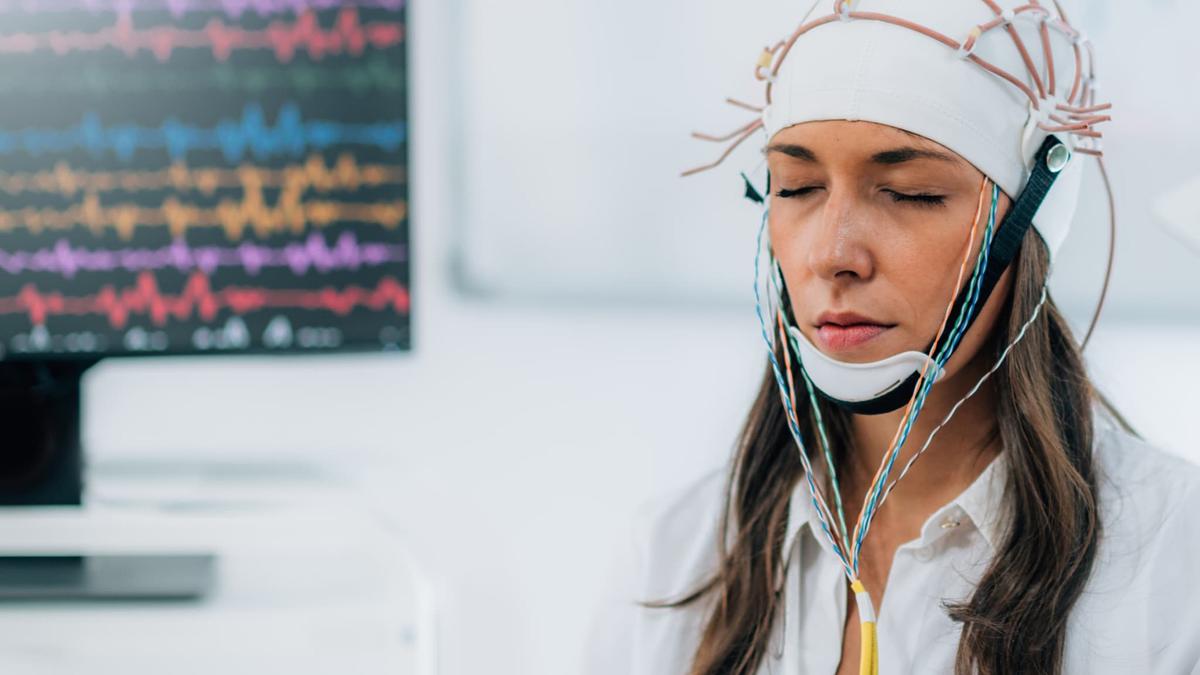
A new artificial intelligence tool developed by Victoria University researchers could help clinicians identify signs of dementia earlier by analysing brainwave recordings almost instantly.
The system examines electroencephalogram (EEG) results and was reported to have detected indicators of dementia with 99.25 per cent accuracy in a study involving recordings from 109 patients at a clinic in Italy.
EEG tests are non-invasive examinations of brain activity used to identify conditions including epilepsy, sleep disorders and brain tumours. The recordings produce visual representations of brainwaves, which are then assessed for signs of healthy or unhealthy activity.
Although EEG results can reveal signs of some forms of dementia, interpreting them manually can be time-consuming and may vary between clinicians.
AI tool aims to speed up dementia assessment
Dr Siuly Siuly, a senior IT lecturer at Victoria University who led the research, said changes in brain signals could be difficult to identify by eye.
“When somebody has any form of dementia the signals the brain sends changed. It may be that brain waves slow or that signals between different parts of the brain become weaker,” she said.
“These changes are sometimes difficult to detect with the human eye on EEG tests and can be open to interpretation between different clinicians.”
The research team said the platform was designed to provide fast, reliable and explainable results, helping clinicians distinguish between different forms of dementia and make informed decisions.
“Early detection (of dementia) is very important, as it allows people to pursue earlier treatment pathways and families to seek advice and make plans for their future,” Dr Siuly said.
She said making the process automatic could reduce waiting times and allow patients to receive advice sooner. Healthcare professionals would still visually interpret the recordings, but their assessment could be carried out as a more time-efficient confirmation of the AI’s findings.
“Currently, EEG recordings are often interpreted visually by trained healthcare professionals, which is time-consuming, costly and subject to variability between clinicians, meaning the interpretations aren’t always accurate,” Dr Siuly said.
The researchers hope to develop the tool further and eventually make it available to healthcare professionals. Dementia is Australia’s leading cause of death, with almost 460,000 people estimated to be living with the condition.
