


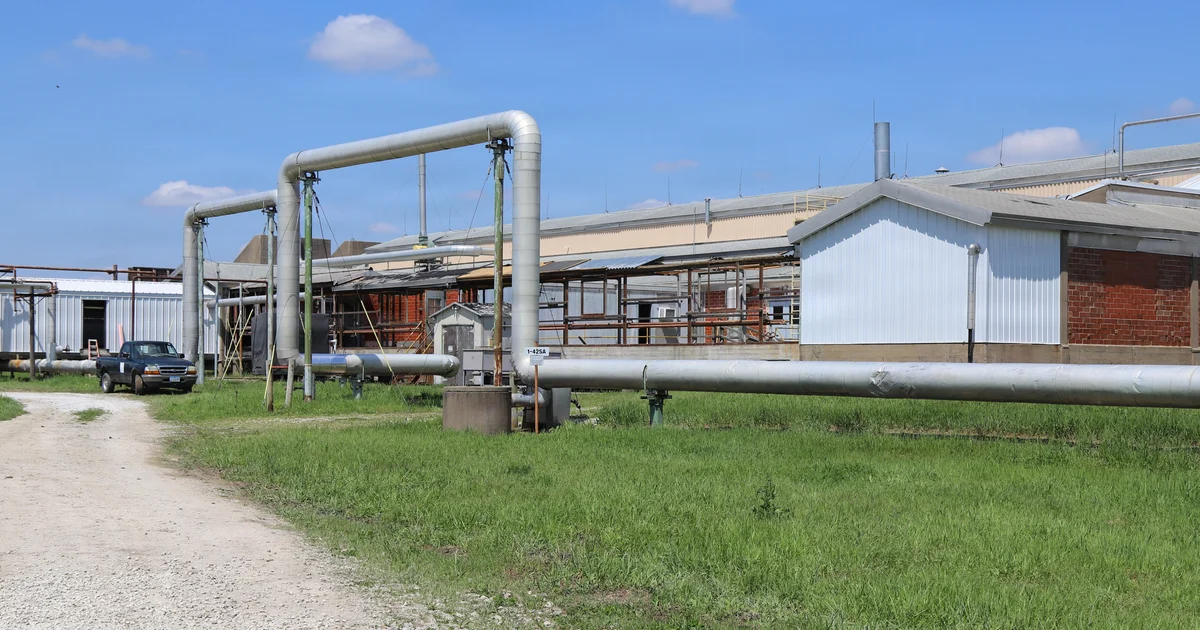
A US federal appeals court has declined to stop the Army detonating five tons of lead azide explosives at a munitions plant in Iowa, clearing the way for the planned operation despite environmental concerns.
The 8th Circuit Court of Appeals ruled that groups challenging the Army explosives detonation in Iowa had not shown they were likely to succeed in their case. The court acknowledged the risks posed by the material but said the degraded explosives could also trigger an uncontrolled blast.
The Army has argued that the lead azide has become unstable and could explode unexpectedly. Officials say the permit allows the detonation to take place with safety measures in place.
Environmental groups had warned that the operation could release a plume of toxic lead particles over the surrounding area. They argued that the Environmental Protection Agency had failed to provide sufficient notice or properly assess the risks before authorising the Army to proceed.
The appeals court had temporarily halted the detonation last week while it considered whether to extend the block. Its latest ruling removes that temporary barrier, although President Donald Trump said the government would not proceed unless Iowa’s incoming Democratic governor, Rob Sand, approved.
Mr Trump said on Monday that the detonation would not take place until the court had ruled. The Army had said over the weekend that it was scheduled for Wednesday.
Although Mr Sand’s approval is not technically required, he said the administration should make its decision using information from the people it had brought in to work at the Middletown plant.
“Everyday Iowans are entitled to know how Middletown came to this situation, and learn why the administration believes this is the best path forward,” Mr Sand said.
In its ruling, the court said: “We are mindful of the very real risks presented by the Army’s planned detonation of the stores of degraded lead azide. However, we must acknowledge the realities of the situation: the degraded explosives present a risk of an uncontrolled and unplanned explosion, which would occur without the benefit of the safety measures that the Permit puts in place.”
