


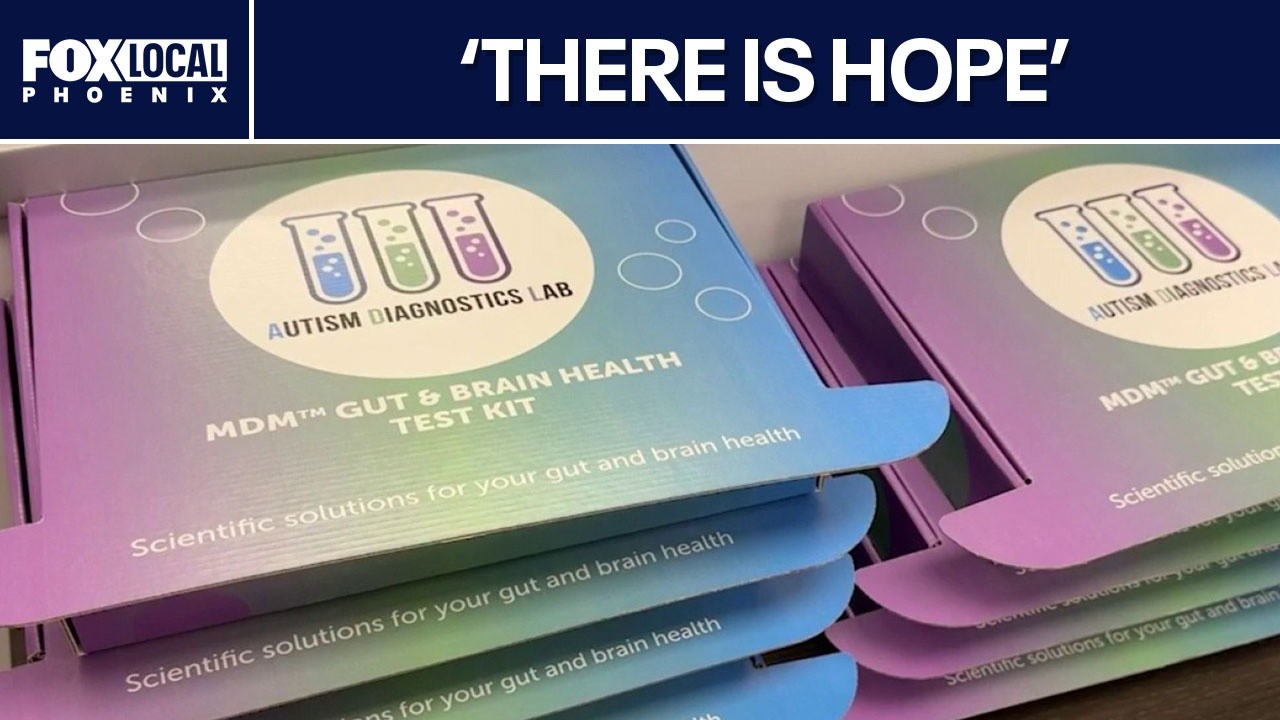
Researchers in Arizona have developed a urine test that could help screen for autism in children as young as two, by identifying chemical markers linked to activity in the gut.
The test, created by scientists at Arizona State University and collaborators, measures 17 microbially derived metabolites – small compounds produced by microorganisms in the digestive system.
Researchers said the markers were found at significantly higher levels in many children with autism than in typically developing children. The findings suggest the test could help identify youngsters who may need a fuller developmental assessment earlier than is currently possible.
Urine test for autism screening showed promising early results
The study examined urine samples from 52 children with an autism diagnosis and 47 typically developing children aged between two and 11. Participants were recruited across four US locations, including Arizona, Massachusetts, Tennessee and Texas.
In the research, the test correctly identified 90% of the children with autism and produced no false positives among the comparison group. The researchers stressed, however, that the sample was relatively small and that further work is needed to confirm how reliably the screening tool performs in wider populations.
The approach, known as the Microbially-Derived Metabolite System, does not itself provide a clinical diagnosis. Instead, it is intended as a non-invasive screening method that could support earlier referrals for specialist assessment and intervention.
The research team said the results also point to biological differences in the gut among a large proportion of children with autism. Some of the substances detected were associated with pathways involving amino acids and compounds produced by yeast and other microorganisms.
Arizona State University researchers said the findings could eventually help doctors better understand different biological subgroups within autism, although the study did not establish that gut changes cause autism or that altering them would treat the condition.
