


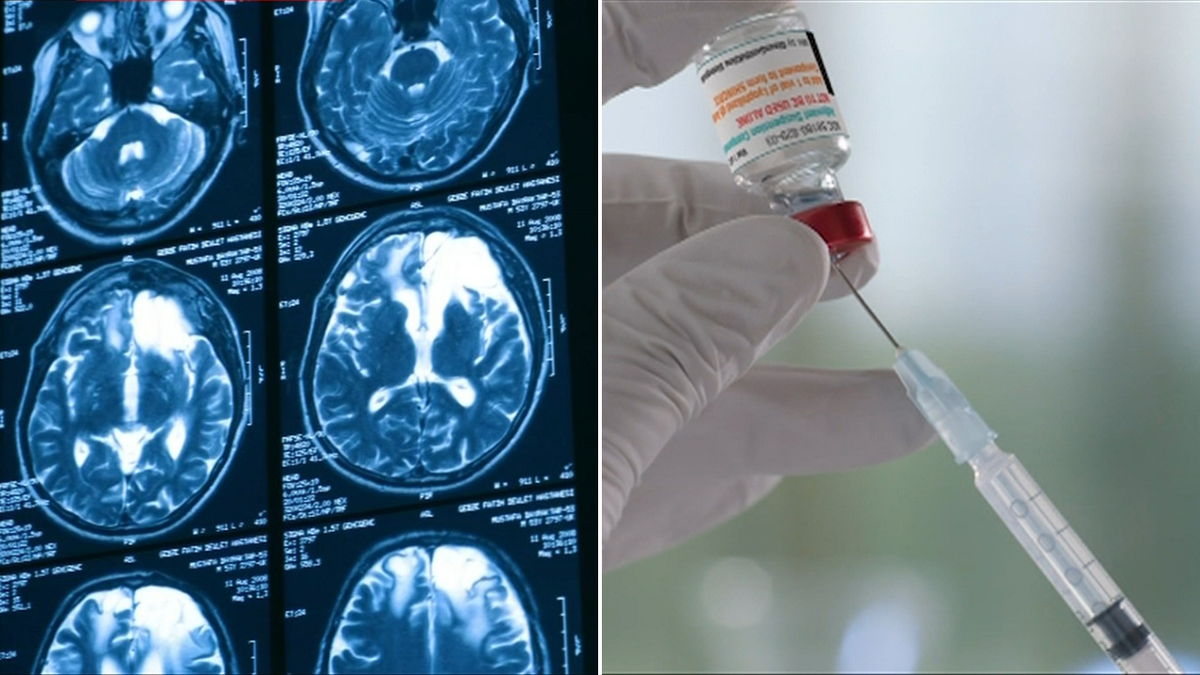
Researchers in Sydney are preparing to investigate whether a shingles vaccine could help reduce dementia risk, as the Australian Government considers whether free vaccination should be offered to younger people.
The study is due to begin in January 2027 at St Vincent’s Hospital and will examine changes in blood markers associated with brain inflammation and Alzheimer’s disease.
Federal Health Minister Mark Butler said he would be open to lowering the age for free shingles vaccination if stronger evidence emerged, but warned that research linking the jab to dementia outcomes remained at an early stage.
“We’re always open to seeing evidence that indicates there’s good clinical reason to reduce the age even further,” Mr Butler said.
“At the moment this research about impacts on dementia is still relatively early.”
Study to examine shingles vaccine and brain health
The Sydney team plans to take blood samples from adults aged over 60 before they are vaccinated and monitor them for eight weeks. The participants will include people with early Alzheimer’s disease and people without the condition.
Researchers will look for changes in markers linked to inflammation in the brain and Alzheimer’s disease. Larger trials would still be needed to establish whether vaccination can prevent or delay dementia.
The shingles vaccine is already provided free to most Australians from the age of 65. Aboriginal and Torres Strait Islander people qualify from 50, while eligible adults with weakened immune systems can qualify from 18.
Shingles develops when the virus that causes chickenpox becomes active again, sometimes decades after the original infection. It can cause a painful blistering rash and long-lasting nerve pain.
Research in Australia and overseas has suggested a possible association between shingles vaccination and fewer dementia diagnoses. A study in Wales estimated that people who received an earlier vaccine were 20 per cent less likely to be diagnosed with dementia over seven years.
Dr David Jakabek, a neurologist at St Vincent’s Clinic, said one theory was that the virus could affect the brain without causing shingles. Another possibility was that vaccination helped the immune system function more effectively as people aged.
“There’s several different mechanisms that may influence the immune system and brain health,” he said.
Mr Butler said he had read the application for larger trials with interest, but wanted the research to develop further before considering additional government funding.
Ann Pietsch, a Dementia Australia advocate living with Lewy body dementia, said the research offered hope to families affected by the condition.
“Anything that can help with early diagnosis or with treatment of dementia is absolutely fabulous,” she said.
Dementia is Australia’s leading cause of death, and the risk can build during midlife, years before symptoms appear.
