


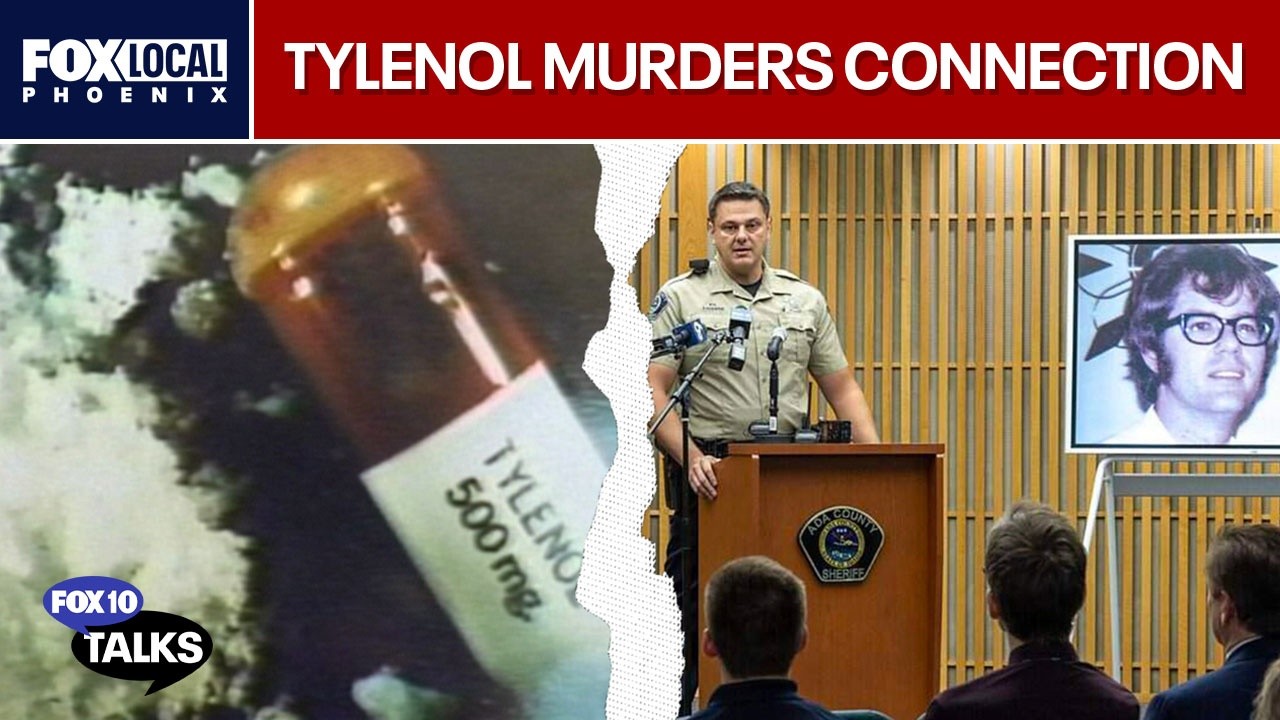
Idaho authorities have identified the man known for more than four decades as the “Unknown Wanderer” as Mathew Francis Betkouski, using DNA evidence to resolve one of the state’s longest-running unidentified-person cases.
Betkouski was found dead inside Sacred Heart Catholic Church in Boise in December 1982. He had taken cyanide and was carrying no identification, leaving investigators unable to establish his name or trace his background.
The case was reopened after detectives examined belongings recovered from the scene, including a set of keys. One key carried markings that led investigators to a property in Jacksonville, Florida, where records identified Betkouski as a former resident.
Detectives then located a surviving brother in Los Angeles. DNA taken from him was compared with material recovered from the unidentified man’s wallet, establishing that the two shared the same father and allowing authorities to confirm the man’s identity.
Investigators said Betkouski had disappeared in 1982 and was later declared dead in absentia. His belongings included several keys, cash and a wallet containing no identity documents.
The discovery has also prompted questions about a possible connection to the unsolved Chicago Tylenol poisonings, which killed seven people in 1982. Betkouski had worked as a chemist and authorities said he had shown an interest in cyanide and poisons.
However, the Ada County Sheriff’s Office has not named Betkouski as a suspect in the Chicago case. Investigators said they had found no evidence placing him in the Chicago area when the poisonings occurred, and stressed that the identification of the “Unknown Wanderer” did not by itself establish a link to those deaths.
