


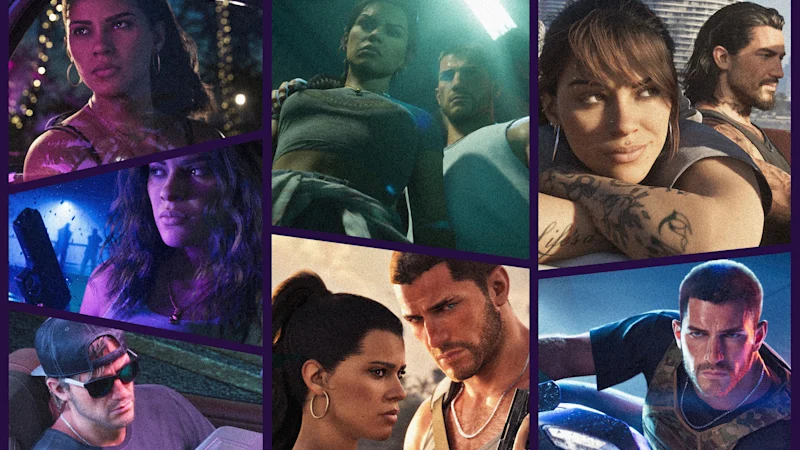
The release of Grand Theft Auto VI has prompted sharply divided reactions around the world, with critics praising its ambition and storytelling while US commentators have revived familiar concerns about violence and morality.
The game has quickly become a worldwide cultural event, attracting attention well beyond the gaming industry. In New York, people gathered around a billboard in Times Square, although players in the city still had seven hours to wait before the game was unlocked.
Grand Theft Auto VI draws sharply different responses
The New York Times awarded the game five out of five and praised the way the series had developed beyond car crashes and disorder. It described the central relationship between its two protagonists as a heartfelt story involving a Bonnie and Clyde-style couple.
In Britain, The Guardian called it “the most extraordinarily, indulgently detailed virtual world that we have yet seen”. Other coverage warned that the depiction of Vice City was immersive enough to absorb weeks of players’ lives.
France’s Le Monde described Grand Theft Auto VI as “a pop-culture monument”, charting the franchise’s rise over 30 years from a small Scottish studio to a global phenomenon.
Fox News, however, returned to the moral panic that surrounded earlier instalments of the series. It condemned the game as “anarchy, debauchery” and warned that it was not “a good thing for our culture and society”.
The broadcaster also criticised gamers aged over 40, telling them to “get a job”. A Republican congressman from Tennessee backed the criticism, describing the game as a tutorial for stealing cars at gunpoint and shooting police.
The contrasting responses have underlined the unusual reach of Grand Theft Auto VI, which has been treated variously as a major work of popular culture, a highly immersive virtual world and a moral threat.
