


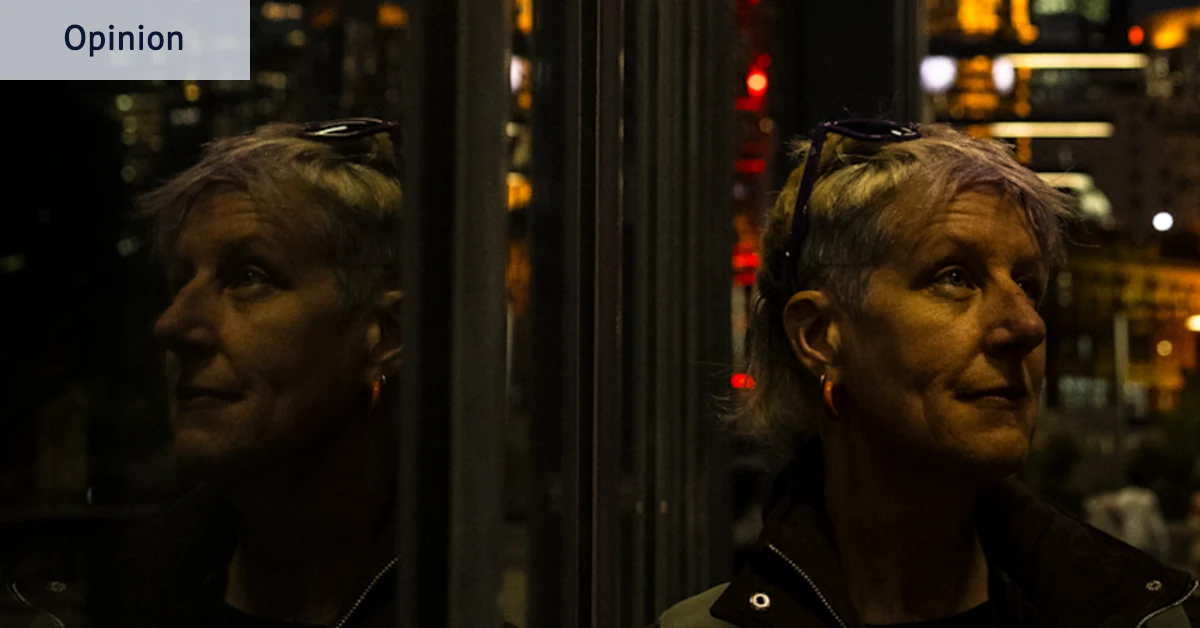
Heidi Everett, an artist and mental health advocate diagnosed with schizoaffective disorder, has criticised the stigma surrounding schizophrenia after seeing the condition associated with a violent crime in newspaper headlines.
Everett said such coverage left her feeling reduced to a diagnosis rather than recognised as a person. A routine coffee, which she buys as a reminder of her independence, became overshadowed by the suggestion that her health condition made her dangerous.
She was diagnosed with schizophrenia at 23. Schizoaffective disorder can involve hallucinations or delusions alongside changes in mood, she said, and there are several subtypes.
Everett described a childhood marked by bullying and an escape into the fictional world of Narnia. As she grew older, she said, that ability to retreat into other worlds became a way of surviving difficult experiences.
She later spent time living on the streets before being admitted to a public psychiatric ward. Her diagnosis followed a brief assessment by a psychiatrist who asked whether she heard voices, saw things others could not and wanted to die.
Everett said she answered yes to each question but was unable to explain fully that the voices she heard included jazz singers, opera sopranos and orchestras. After about 20 minutes, she said, her identity had been replaced by a label: “No longer Heidi Everett – artist, wannabe park ranger and Michael J. Fox’s wife. Just Schizophrenia.”
The stigma surrounding schizophrenia
Everett said she condemned anyone who harmed another person, but objected to people with schizophrenia being collectively implicated whenever psychosis was involved in a serious offence.
She argued that reporting which presents psychosis as the explanation for violence can reinforce public fear and shame. The result, she said, was that people in her community might avoid meeting friends, playing tennis or attending job interviews.
Everett believes the social model of disability should apply more fully to people with psychosocial conditions. Rather than focusing only on treating an individual diagnosis, she said society should also address the environments, attitudes and systems that can intensify distress.
For Everett, episodes can follow the accumulation of ordinary pressures such as starting a job, managing excessive administration or struggling with inaccessible public transport. More severe experiences, including homelessness and grief, can also contribute.
She said she relied on a trusted group of people but had lost faith in the mental health system. She called for an Australian Triple Zero option for mental health emergencies, staffed by crisis teams, carers, First Nations representatives and people with lived experience.
Everett said a response from trained mental health workers would be more appropriate in many cases than an intervention involving police equipped with Tasers and handcuffs.
She said people living with schizophrenia were not defined solely by illness and could develop creativity and coping strategies in response to abuse and adversity. Public discussion, she argued, should be based on dignity and the experiences of those affected rather than headlines that deepen stigma.
People seeking support can contact Kids Helpline, Lifeline or Beyond Blue.
