


Bitcoin fell more than 4% to around $68,500 on Friday as a hotter-than-expected inflation reading increased expectations of higher interest rates and prompted investors to move towards income-producing government bonds.
The decline erased the cryptocurrency’s gains from the past three months and raised fresh doubts over whether its prolonged bear market had truly ended.
Crypto analytics provider CryptoQuant said Bitcoin’s demand indicator had reached its weakest level since December 2023. Bitcoin exchange-traded funds had also become net sellers again, adding to pressure on the market.
The pullback has spread beyond Bitcoin. Tether’s USDT, the largest cryptocurrency pegged to the US dollar, lost $7.7 billion in total value over the past two months, according to CryptoQuant, suggesting there is less cash circulating in crypto markets.
Investors reacted after Tuesday’s Consumer Price Index report showed prices rising by 0.4% in October, above economists’ expectations. Core inflation, which excludes food and energy, was also hotter than forecast.
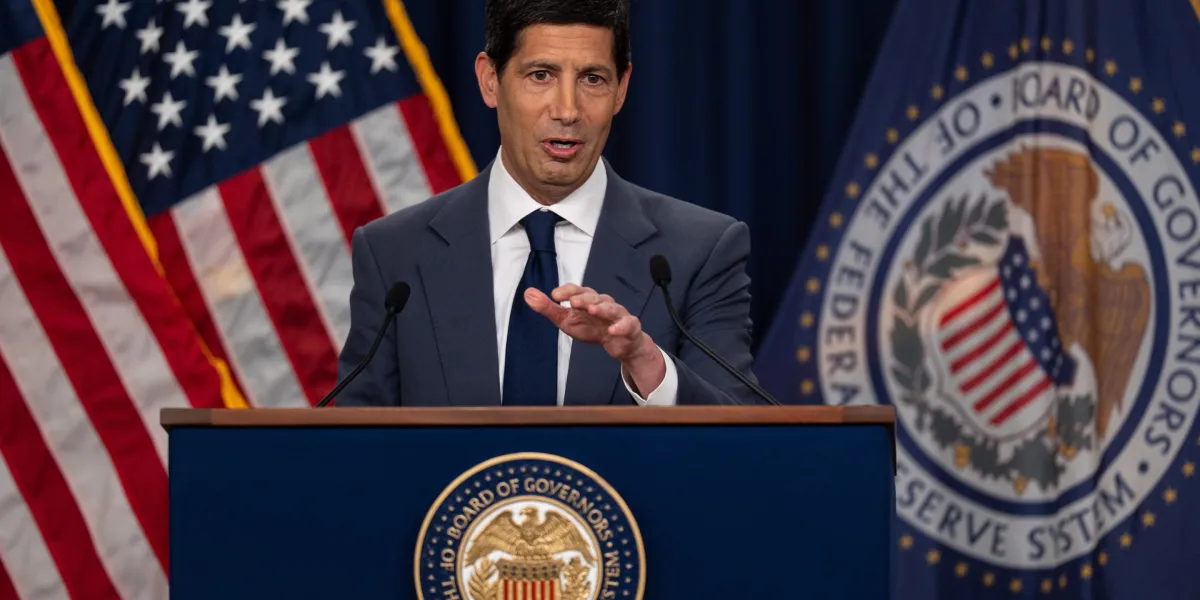
Traders now overwhelmingly expect the Federal Reserve to raise interest rates by a quarter of a percentage point in December, while some are betting on a larger increase.
Chris Beauchamp, chief market analyst at financial technology company IG Group, said higher inflation was encouraging investors to sell assets that do not generate income.
“Because these are non-yielding assets, and we expect inflation to rise… people are chucking stuff like gold and Bitcoin to find… government bonds that are going up, providing you [with] income,” he said.
Gold has also retreated. It was trading near $3,900 an ounce on Friday, well below its January peak of about $5,600, with prices down roughly 5% over the past month and nearly 5% compared with a year ago.
Bitcoin’s difficult year
Bitcoin had shown signs of recovery after falling to $58,000 in June. Optimism returned in August after the US Treasury announced plans to expand its bond buybacks, helping to lift the cryptocurrency to $86,000 in September.
It has since fallen back, with political developments adding to the uncertainty. The midterm elections handed Democrats control of Congress, a setback for a crypto industry that had relied on Republican allies to advance legislation favourable to the sector.
Stephen Coltman, head of macro at crypto asset manager 21Shares, said the result had been largely anticipated by investors and did not immediately alter the regulatory position.
“The midterm results weren’t a surprise, and they don’t change the regulatory interpretations as they stand today… We at least have some regulatory stability for two years,” he said.
Bitcoin is also competing with the artificial intelligence boom for investors’ money. Heavy borrowing and spending on AI has been described by 21Shares as an “AI black hole”, drawing funds away from assets including Bitcoin and gold while helping to keep the economy strong enough for interest rates to remain high.
Mr Beauchamp said Bitcoin remained closely linked to technology stocks, leaving it vulnerable both when AI enthusiasm diverted investment and when a slowdown in the sector pulled down tech markets.
Mr Coltman said AI spending was supporting an otherwise weak economy and giving the Federal Reserve more room to keep interest rates high while it tackles inflation. If borrowing costs force AI companies to reduce spending, however, a weaker economy could eventually prompt a change in the Fed’s approach and provide some relief for Bitcoin.
