


Israeli efforts to preserve public support in the United States are facing growing setbacks, despite a new public relations contract and a sharp increase in spending aimed at influencing American opinion.
Filings made under the US Foreign Agents Registration Act show that the influencing company Starboard was contracted on October 28 by LDRS Group LLC, which says it is acting for the Israeli state. The agreement covers strategic communications and public relations services in the US to promote Israel’s interests.
The contract comes amid mounting evidence that support for Israel is weakening across the American political spectrum, particularly among younger voters. Polls have also pointed to growing opposition among some Republicans, including members of the Evangelical right.
The Quincy Institute for Responsible Statecraft estimates that more than $1 billion has been spent on direct programmes intended to influence US public opinion in Israel’s favour since the war in Gaza began in October 2023. That figure does not include domestic fundraising and political activity by organisations such as the American Israel Public Affairs Committee.
US backing for Israel has remained extensive. Brown University’s Costs of War project estimates that Washington has provided at least $25.5 billion in appropriations and at least $21.7 billion in military support, in addition to an annual grant agreed during Barack Obama’s presidency in 2016.
American diplomatic support has also included vetoes of United Nations Security Council ceasefire resolutions and opposition to Palestinian full membership of the UN.
Israel’s US influence campaign under pressure
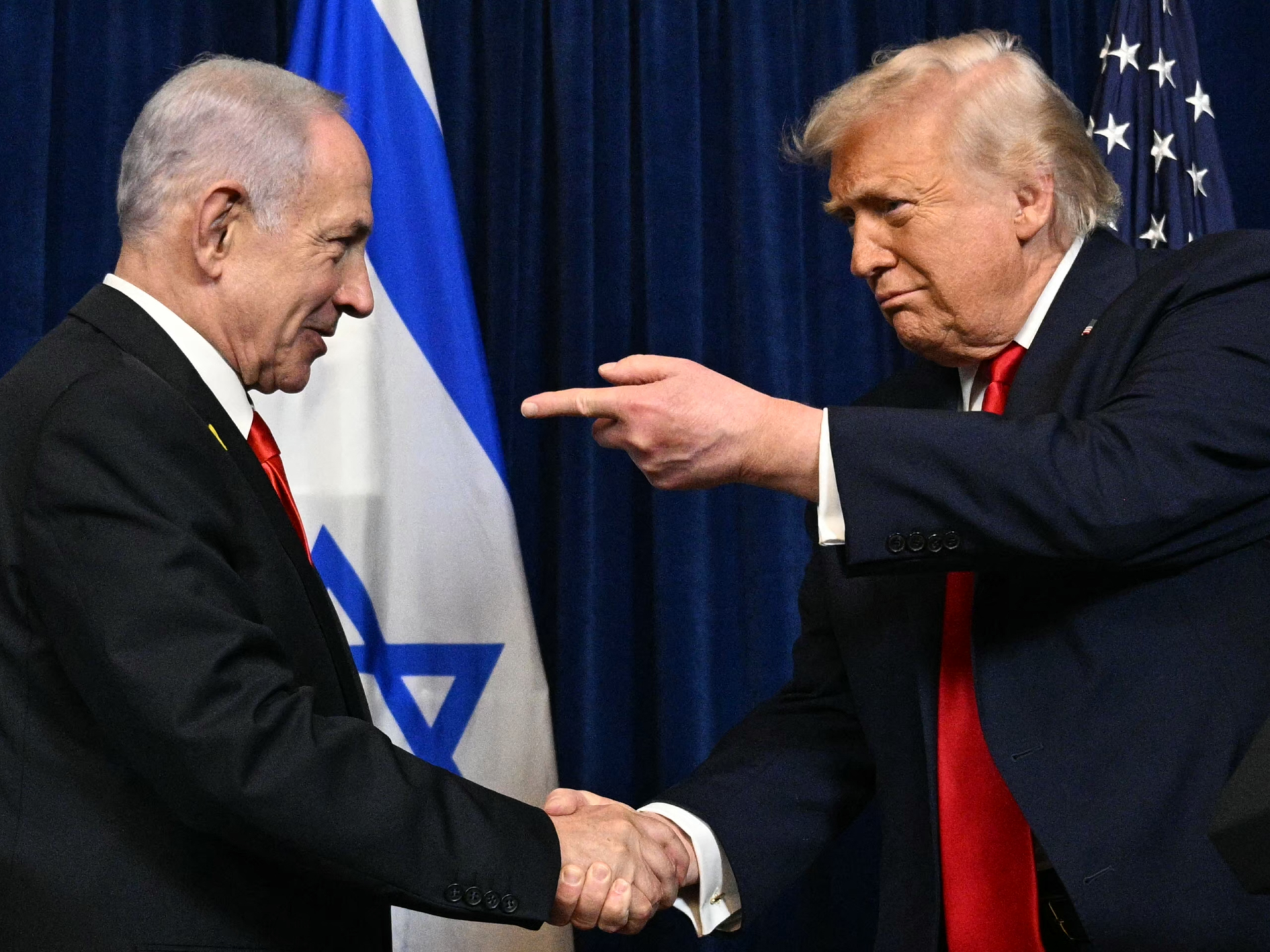
Donald Trump’s decision to end the Obama-era grant early, announced on the day of the US midterm elections, was widely viewed as an attempt to respond to declining support for Israel. It did not prevent a series of setbacks for pro-Israel candidates.
Pro-Israel groups linked to AIPAC spent an estimated $84 million backing candidates including Maine Senator Susan Collins. The spending was widely regarded as ineffective after several prominent critics of Israel were elected to Congress.
“The shift that has occurred in American public attitudes toward Israel is paradigmatic, generational, and lasting,” said Shibley Telhami, director of the University of Maryland’s Critical Issues Poll.
“You cannot unsee what you saw in Gaza, over three years. Israeli public relations campaigns are thus swimming against the tide. When they are visibly connected to Israel, they are even toxic, achieving the opposite results, as we have seen in the midterm elections.”
Mr Telhami said the campaigns were having their greatest impact among Republicans, but added that younger people, including on the right, appeared less receptive to expensive pro-Israel efforts.
Israeli Prime Minister Benjamin Netanyahu has attributed the loss of public support to alleged manipulation of social media by unnamed foreign states. He described the information battle as an “eighth front” in Israel’s wider conflicts.
That explanation has been criticised for overlooking the effect of the war in Gaza, where more than 70,000 people, including about 20,000 children, have been killed over the past three years, according to the figures cited in the source material.
Spending increases as support declines
Israel quadrupled its budget for public diplomacy, known as hasbara, to $730 million in March. Much of the money was allocated to social media campaigns directed at American audiences.
In November, Israel also brought more than 250 prospective US officials, journalists, influencers and community leaders on a tour of locations connected with the October 7 attack, alongside meetings with senior Israeli figures.
Alon Pinkas, a former Israeli ambassador and consul general in New York, said increasing the budget would not overcome the damage caused by government policy.
“You change the conversation by changing the policy … So far, they haven’t let any foreign media into Gaza. Can you imagine what happens when they do? No amount of spending on their social media is going to mitigate what international journalists find there,” he said.
Mr Pinkas said Israel had already been losing relevance in Washington before the Gaza war, as US attention shifted towards China and the public and politicians grew tired of prolonged foreign conflicts.
Aaron David Miller, a former State Department Middle East negotiator, said the three main pillars of American support for Israel – public opinion, Congress and the executive branch – were at their weakest point in his experience.
He said the deterioration did not necessarily amount to a permanent break. A future Israeli government pursuing different policies, he added, could ease tensions in Congress and improve public perceptions.
