


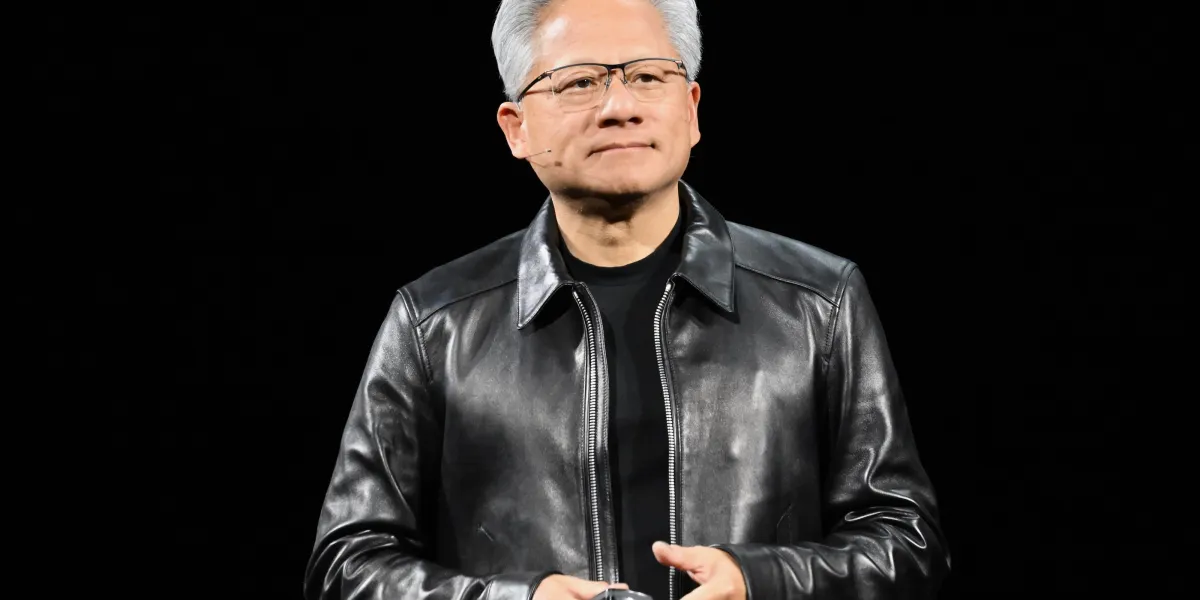
Jensen Huang has been reinstated as chief executive of Nvidia after an extraordinary boardroom reversal, despite disclosures about further affairs and continuing investigations into an alleged relationship with a suspected Chinese intelligence asset.
The decision followed an 11-day period in which Huang was removed from the role, only to return to Nvidia’s headquarters five days after the company had publicly ruled out his comeback. Employees reportedly gave him a standing ovation when he arrived.
“This is my first day of work,” Huang told staff. “I don’t have a computer, so the I.T. department is going to give me a new P.C.”
Huang, Nvidia and some of the company’s customers remain under scrutiny from the US Securities and Exchange Commission, the FBI, the Commerce and Justice departments, several congressional committees, California’s attorney general and an internal investigation by the company’s outside lawyers.
The inquiries include questions over whether Huang’s alleged affair with a suspected intelligence asset for China created a national security risk. The claims have not been proven, and the wider controversy has also prompted civil litigation.
Why Jensen Huang was brought back to Nvidia
Huang told Nvidia’s board on Sunday that he had had further affairs beyond the two that had already been reported, according to reports. The disclosure came as directors considered whether to restore him to the position he had held before his removal.
Donald Trump reportedly joined the board meeting by telephone and urged directors to take Huang back. The US president was said to be less concerned about Huang’s private life than about the potential effect of the leadership change on financial markets.
Trump personally made gains of $15 million as Nvidia’s shares recovered, it was reported. The company’s market value rose by almost $1 trillion in the rally that followed the decision.
Trump also criticised the prospect of Nvidia being led by Colette Kress, the company’s chief financial officer and interim chief executive. Kress, who has been Nvidia’s CFO for 13 years, was reportedly excluded from the board meeting at which Huang’s return was discussed.
“You interviewed the young woman, I thought she was very good, but she’s not a chip person. She doesn’t know. She knows less about chips than I do,” Trump later said in a television interview.
The board had begun looking for a replacement, but reportedly struggled to find candidates willing to take on Huang’s role. The reversal came after the company had staged an all-hands meeting at which management played Tom Petty’s song I Won’t Back Down.
During his time away from Nvidia, Huang also held a 45-minute telephone conversation with JD Vance. Reports said the vice-president had been persuaded by Huang and his allies, who were described as potentially important sources of funding should Vance seek the presidency.
Huang’s supporters in Silicon Valley were also said to have appealed to Trump’s longstanding mistrust of the US intelligence community, portraying the Nvidia founder as the victim of a so-called “deep state”.
Trump later posted an altered image of himself raising his fist after surviving an assassination attempt in Pennsylvania. In the version shared after Huang’s reinstatement, Huang’s face replaced Trump’s and the raised fist held a red bra.
The decision has faced criticism from Senator Kevin Cramer, a Republican from North Dakota. He said the board had accepted the legal and reputational risk of employing a leader who might be convicted in the US or elsewhere of breaching espionage and export-control laws.
“The legal and reputational risk of hiring a CEO who may very well be convicted in the United States or other nations of violating espionage and export control laws is now borne by the board of Nvidia, but the national security risk is passed along to the United States military and its citizens,” Cramer said.
He added that the possibility of extortion by a Chinese asset who had been banned by Singapore was sufficient reason not to rehire Huang, saying: “The worst part of this is what we may never know.”
Nvidia’s shares rose sharply after Huang’s return, underlining the company’s importance to the technology sector and the wider artificial intelligence boom. The Nasdaq 100 gained 6.86% during the rally, while Nvidia stock rose by 32% before falling in subsequent trading.
The dramatic market reaction also renewed concerns about the financial interdependence of the AI industry. Analysts have warned that money invested in AI companies often returns to the sector as spending on cloud services and computer chips, leaving investors, cloud providers and suppliers exposed if one part of the chain falters.
