


SpaceX is planning a 125,000-acre rocket facility in Louisiana capable of launching about 30 rockets a day, as concerns grow over the secrecy surrounding the deal and its potential impact on coastal wildlife.
The project was unveiled at an invitation-only event in Abbeville, where executives, developers and politicians watched a film showing Elon Musk arriving by helicopter to a techno soundtrack before being greeted by Louisiana Governor Jeff Landry.
“I think Star Base is cool,” Musk said in the video. “Star Base Louisiana.”
The facility is expected to include five launch complexes and housing for employees and their families. Louisiana Economic Development, the state agency involved in the project, says the site could bring about 10,000 jobs, while the state has described the deal as representing $100 billion in investment.
SpaceX Louisiana deal relied on nondisclosure agreements
Several state lawmakers signed nondisclosure agreements during negotiations, which were conducted under the codename “Project Osprey”. Records have also highlighted the wider use of such agreements by the Landry administration in industrial development projects.
Defending the approach, Mr Landry said corporate America was competitive and companies wanted to discuss their plans with elected officials while ensuring that policies met their expectations.
“You think I want Texas to steal my thunder? You think I want other states to know what we’re working on?” he said. “Quite frankly, that’s what has continued to happen to Louisiana before I became governor.”
The governor has also signed laws shielding aerospace companies from property taxes, liability and nuisance claims linked to noise, vibrations, heat exhaust and sonic booms, as well as from public records laws. SpaceX is covered by those exemptions.
Records from Louisiana Economic Development indicate that SpaceX will pay Vermilion Parish about $25 million a year but avoid billions of dollars in property taxes over 25 years.
The proposed spaceport, around a 45-minute drive south of Abbeville near Pecan Island, has prompted concern among local residents who rely on the surrounding coastal marshes for hunting, fishing and family life.
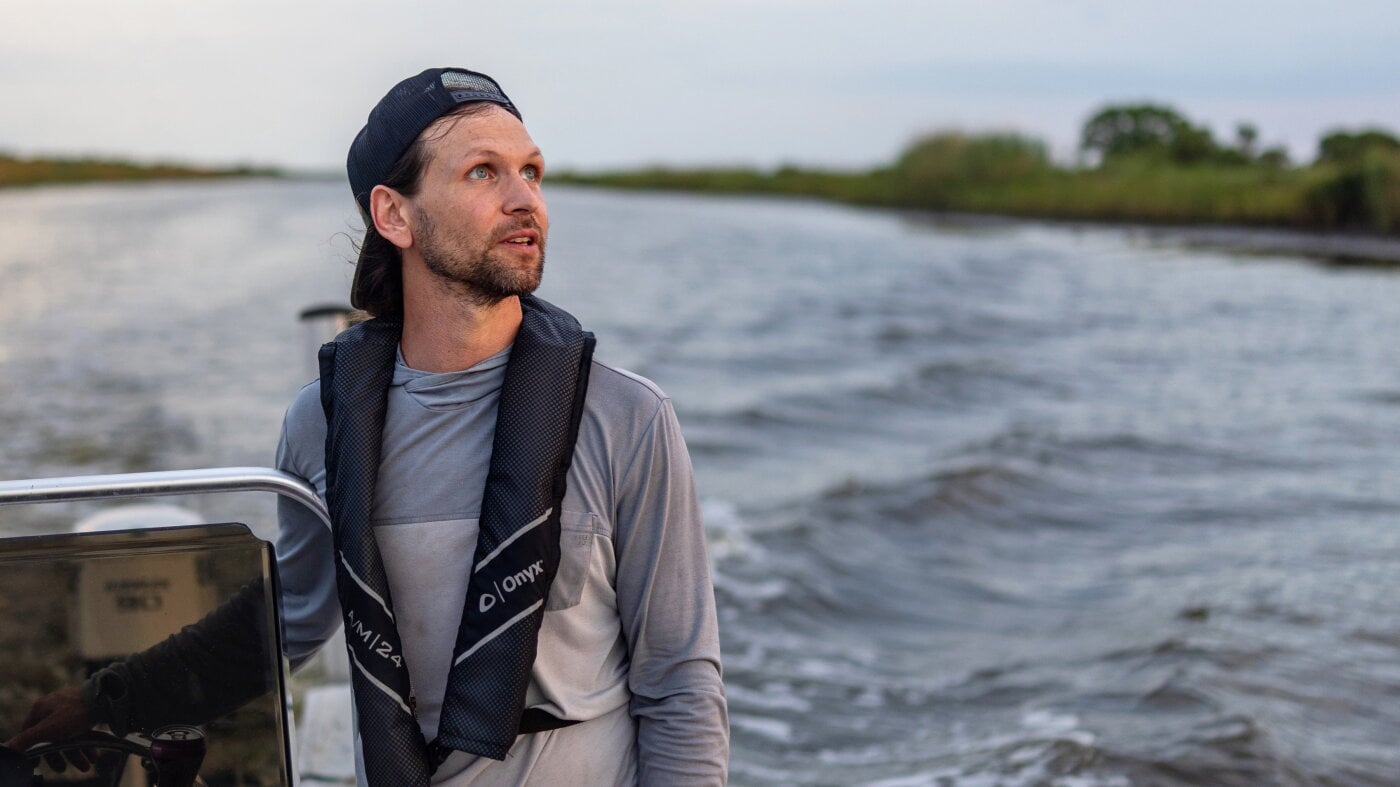
Outdoor educator Gabe Giffin said rocket launches could affect millions of migratory birds using the Mississippi Flyway as they head south for the winter.
“Where we’re at, this is the last ledge before they leap off, if you will,” Mr Giffin said, describing the wetlands. “They’re going to feed up, power up on those beaches, and fly to Central or South America next.”
Gwynne Shotwell, SpaceX’s president and chief operating officer, acknowledged that birds could be affected but said they would return quickly after launches.
“Now the birds might fly away during a launch, but I guarantee they’ll come back,” she said. “And they come back right away, by the way. As soon as the rocket’s gone, the birds come back. It’s not like months later.”
Nearby resident Brooke Broussard questioned that reassurance, saying the project appeared to have been settled before people in Pecan Island had been given a say.
“I don’t want the story to just be: ‘Elon Musk came and conquered,’” she said. “I want the other stories to be told.”
