


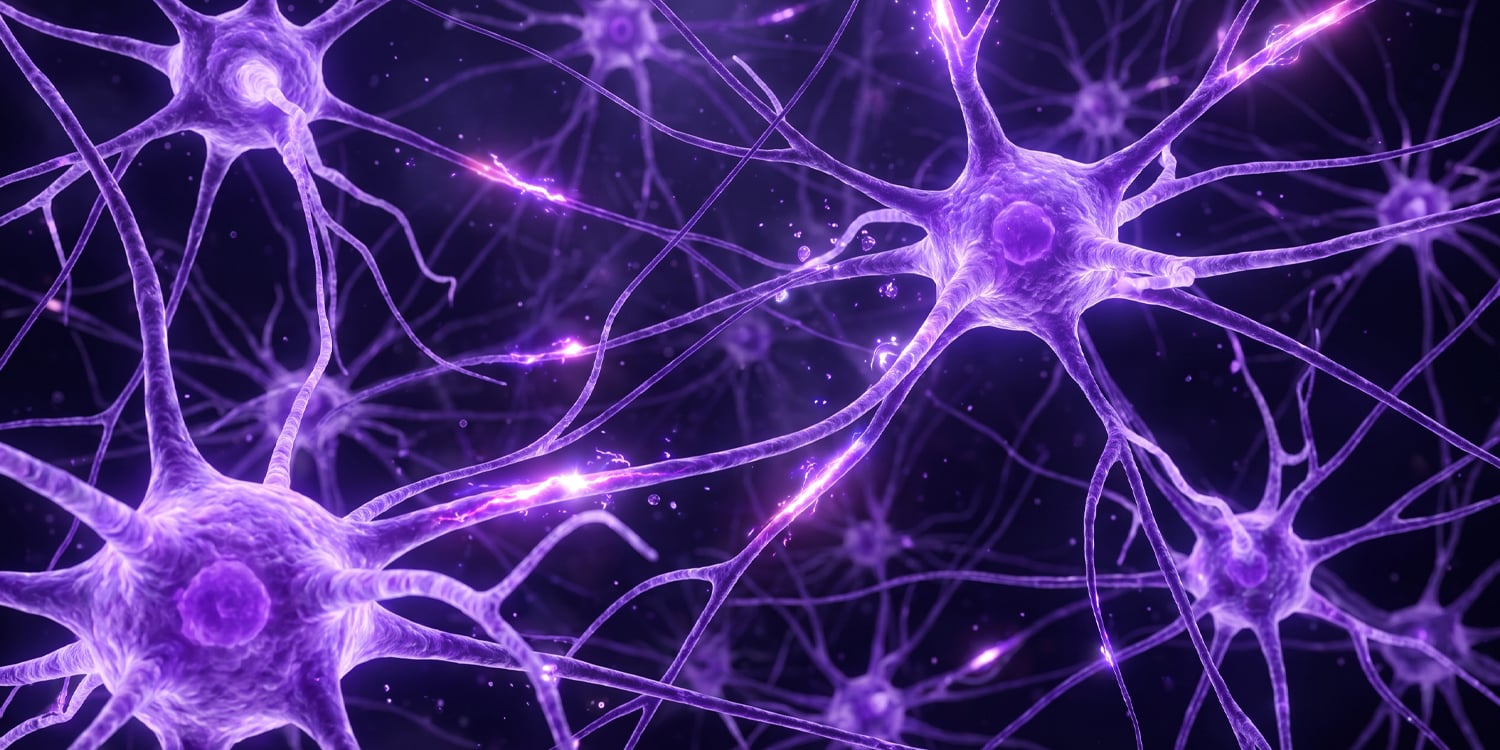
LSD, a synthetic psychedelic best known for altering perception and mood, works primarily by activating serotonin 5-HT2A receptors in brain cells. Beyond its perceptual effects, LSD belongs to a class of substances that promote neuroplasticity—the brain’s ability to grow new nerve connections and remodel synapses through which neurons communicate.
In normal ageing—and much more so in neurodegenerative conditions such as Alzheimer’s disease—these synaptic connections weaken and shrink, with surrounding support cells becoming chronically reactive. The prefrontal cortex, a region behind the forehead crucial for planning, decision-making and working memory, bears the brunt of these changes.
Interest in plasticity-promoting drugs to counter cognitive decline has grown alongside work in human brain organoids, rats and healthy adults. Earlier studies indicated LSD increased molecular markers of neural growth in lab-grown brain tissue, enhanced rats’ preference for new objects and improved memory test scores days after dosing in volunteers compared with a placebo.
Researchers re-examined how LSD reshapes brain gene activity by applying a computational approach that looks for drug-induced gene-expression patterns that oppose those seen in ageing. The concept, rooted in the Connectivity Map project, seeks drugs whose transcriptional signatures run in the opposite direction to a disease or ageing pattern.
The new study, led by Aurora Savino at the University of Turin with collaborators from Human Technopole in Milan, used transcriptomic data to compare LSD’s effects against age-related brain changes. Savino explained that the project began with an unexpected turn of thinking and a reconsideration of how psychedelics might influence brain flexibility.
How a failed hypothesis redirected the study
“The study actually started from a hypothesis that turned out to be wrong,” Savino told PsyPost. “I had developed a personal scientific interest in psychedelics and in the idea that they might temporarily bring the brain into a more flexible state, in some respects reminiscent of earlier stages of development. Psychological and neurobiological models were already suggesting that psychedelics can loosen established patterns of thought, increase sensitivity to new information and promote unusually rapid learning and plasticity.”
“While working in the Iorio Group at Human Technopole, I began exploring this question as a side project. The lab had a longstanding interest in computational drug repositioning and in using transcriptional signatures to understand drug action, so there was a natural opportunity to approach my question from that perspective,” she explained. “I initially hypothesized that the gene-expression changes induced by LSD might resemble those seen in younger brains, so I obtained brain transcriptomic data spanning different ages to test this directly.”
To chart LSD’s impact on brain gene activity, the researchers reanalysed a shared RNA-sequencing dataset originally collected for a 2014 rodent study, which Savino had also explored in a 2022 paper. In that 2014 work, rats given LSD every other day for three months showed persistent behavioural shifts akin to those seen in animal models of schizophrenia. Four weeks after dosing ended, the animals also displayed lasting changes in prefrontal cortex genes related to synaptic communication.
Comparing LSD against human brain ageing and dementia
For a human benchmark, the team assembled public gene-expression records from 3,086 brain samples spanning ages from two days to 106 years. Focusing on the dorsolateral prefrontal cortex—the region with the richest data pool—they merged 681 samples across 11 studies and adjusted for laboratory variation to enable comparison.
The researchers ranked genes from those increasing with age to those decreasing most steeply. They tested the ageing signature against the 193 compounds catalogued in the Connectivity Map that were tested on immature human brain cells, alongside rodent data for other psychedelics and similar substances. They included mice subjected to voluntary wheel running and enriched environments as positive anti-ageing benchmarks, and chronic alcohol consumption and natural ageing in rodents as comparators for brain ageing.
They also extended their analysis to brain samples from patients with Alzheimer’s disease, Parkinson’s disease dementia, dementia with Lewy bodies and Huntington’s disease. External checks used two additional ageing datasets and frontal brain samples from donors over 90 in the Mount Sinai Brain Bank.
Across datasets, the gene-expression footprint of chronic LSD treatment consistently ran counter to ageing in the human brain. In rats, genes that rose after LSD were enriched among those that tend to decline with age, while genes suppressed by LSD clustered with those that become more active in older brains. The overall pattern, rather than the magnitude of individual gene changes, pointed in the opposite direction to brain ageing.
Rather than spiking a few targets, the LSD signature induced modest shifts across many genes, comparable in scale to changes produced by exercise and enriched environments. A combined score tallying the number and size of affected genes remained strongly positive for both the upregulated and downregulated sets of genes.
Developmental programmes can mirror different biological trajectories, so the team did not claim that LSD simply replays a developmental state. Savino noted that the finding was not what she initially expected but that it linked with a broader literature suggesting psychedelics influence neuroplasticity and inflammation and that clinical studies are exploring their use in older people and in early Alzheimer’s disease.
Chronic LSD treatment ranked ahead of many other compounds tested for opposition to ageing signatures, though the authors caution that differences in doses, schedules and sampling times across studies could influence results. They also found that some substances, such as pharmahuasca (a combination of DMT and harmaline) showed strong opposition to dementia signatures, while MDMA shifted gene activity in the same direction as brain ageing.
External checks supported the idea that LSD’s chronic-treatment signature opposes age-related shifts and dementia-related changes in brain tissue, including in the Mount Sinai Brain Bank cohort.
Single doses in mice, cellular pathways, and an Alzheimer’s dish model
To test whether a single LSD dose could reproduce the rodent findings, the researchers gave 8-week-old male mice one of four LSD doses (50 to 500 micrograms per kilogram) or saline. After confirming drug activity via a rapid head-twitch response, they collected prefrontal cortex tissue 90 minutes later and sequenced RNA to capture early transcriptional responses. Across doses, LSD tended to oppose ageing signals in the gene-expression data.
Grouping LSD-affected genes by biological role showed enhancement of programs that build and maintain synapses and dendrites, while downregulating those linked to blood vessel formation, cell adhesion and the generation of new glial cells. These changes are typically reduced in ageing and neurodegeneration, aligning with the observed opposing pattern to ageing.
To corroborate the transcriptomic findings, the scientists used a cell-culture model of Alzheimer’s toxicity. They grew cortical neurons with astrocytes from newborn mice and exposed the cultures to amyloid-beta clumps for three hours before applying LSD for 24 hours. After treatment, they observed preserved neuronal branching and synaptic scaffolding proteins, along with lower levels of astrocyte activation markers and partial restoration of neuron-focused gene programs, while dampening glial and adhesion-related programs that rise in neurodegeneration.
What an outside expert makes of it
“The findings seem to suggest, at least in a rodent model, that in rodent frontal cortex, psychedelics alter gene expression against the direction you might see in aging,” said Hugh McGovern, a research affiliate at the Clinical Psychedelic Lab at Monash University and an affiliate senior lecturer at the Deakin University School of Medicine, who was not involved in the study. “To my understanding, it extends previous work. Even in humans, we know psychedelics promote synaptic plasticity. In terms of the confidence, the gene expression claims made seem pretty solid, and it was a well-done analysis.”
“Whether it extends to anything therapeutic, I wouldn’t place much confidence in the results, at least not yet,” McGovern added. “It’s worth noting the actual changes were quite small.”
Observational work in middle-aged and older adults has suggested that past psychedelic use is linked with fewer depressive symptoms and better executive function, though not with episodic memory. The authors emphasise that this study measures gene activity in animals and cultured cells, not clinical outcomes in people.
Savino stressed that the study provides a starting point rather than evidence that LSD can slow brain ageing or treat dementia. “Our findings suggest that LSD may affect the brain in ways that go beyond its well-known psychological effects,” she said. “The most interesting implication is that psychedelics may influence biological processes involved in how the brain ages and responds to neurodegenerative disease. This raises new questions about how these substances work and whether they might eventually have therapeutic applications.”
“At the same time, it is important to distinguish these findings from evidence of clinical benefit,” she cautioned. “Our study provides a starting point for further research, rather than demonstrating that LSD can slow brain aging or treat Alzheimer’s disease.”
Caveats and what needs to be tested next
The researchers underline several caveats. All LSD work used adult rodents or newborn-mouse cells, with no aged animals studied, and no memory or behavioural measures assessed. While immature neurons in a dish maintained structural markers after LSD exposure, this does not prove that mature circuits would regain normal signaling. Human-brain analyses relied on mixed tissue, so age-related shifts in neuron-to-glia ratios could influence results.
McGovern urged caution against overinterpreting the findings as evidence that psychedelics slow ageing or serve as dementia treatment. “We can’t make that inference at this point,” he said, adding that some ageing changes may be protective adaptations rather than purely harmful processes. “It is unclear how these changes would scale.”
Timing is another open question: three months of repeated dosing in rats, a single 90-minute mouse snapshot, and 24 hours in cell cultures leave unanswered how long any single-dose gene shifts persist. The authors propose studies in aged animals and in mouse models of Alzheimer’s disease to see whether molecular changes translate into cognitive protection.
Future work could probe whether the effects depend on serotonin 5-HT2A signaling or on growth-factor pathways such as brain-derived neurotrophic factor. Distinguishing these mechanisms could help identify non-hallucinogenic compounds that reproduce LSD’s cellular effects, a goal the team hopes to advance with a free web tool for screening other compounds against brain-ageing signatures.
The study, Lysergic Acid Diethylamide Induces Transcriptional Changes Opposing Signatures of Brain Ageing and Neurodegeneration, lists Aurora Savino, Carla Liaci, Ilaria Bertani, Simona Rando, Mattia Camera, Giorgio R. Merlo, Lidia Avalle, Valeria Poli, Nereo Kalebic and Francesco Iorio as authors.
