


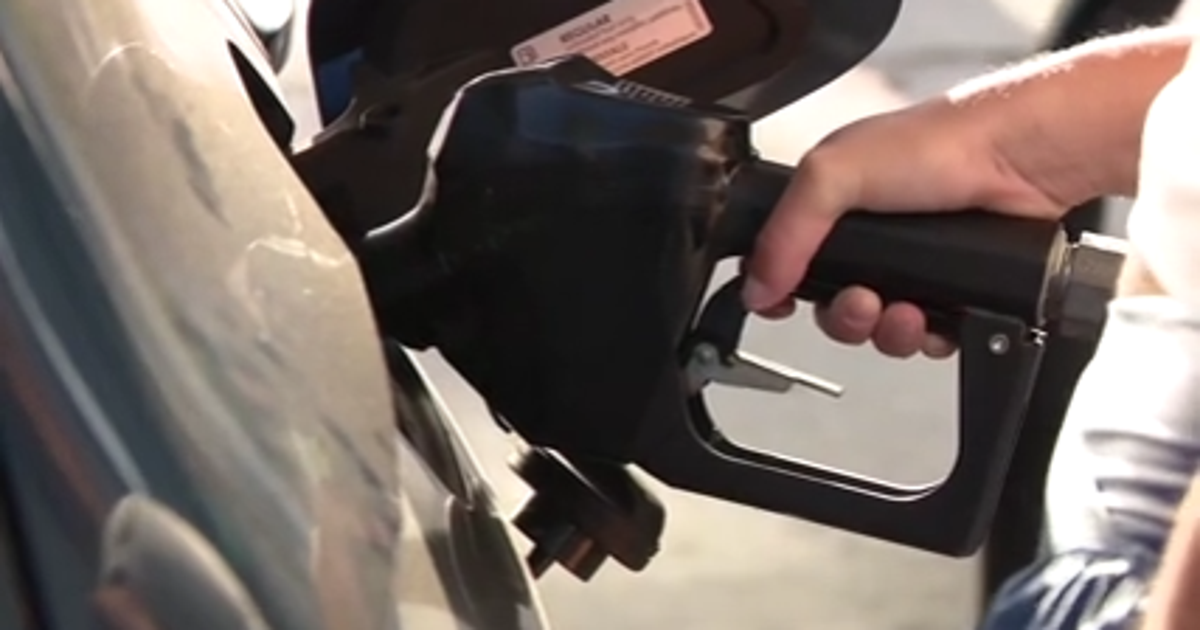
Fuel prices have surged across the Washington DC, Maryland and Virginia region, with truck drivers facing record diesel costs as disruption linked to the conflict in the Middle East tightens energy supplies.
GasBuddy put the US national average for regular petrol at $4.44 a gallon and diesel at $6.44 a gallon. Prices in Washington DC were above the national petrol average, adding pressure to motorists and businesses reliant on road transport.
Figures from AAA showed the District’s average price for regular petrol had reached about $4.50 a gallon on Monday, while diesel was averaging around $6.50. AAA recorded the district’s highest diesel average to date at $6.56 a gallon on Sunday.
The increases are being felt most sharply by the haulage industry, where diesel is a major operating cost. Higher fuel bills are also feeding through to deliveries, parcels, air travel and other parts of the supply chain.
Gbenga Ajilore, chief economist at the Center for Budget, said the scale of the rise since the start of March was closely linked to the conflict involving Iran and the wider Middle East.
“I think the reason why we see such high gas prices and diesel prices can all be stemmed from the war in Iran and the broader conflict in the Middle East,” he said.
“We see gas prices go up and down every year. A lot of time because of demand or different supply issues, but the degree to which we’ve seen the prices jump up since early March, when the war started, it can all be attributed to the Middle East.”
The US Energy Information Administration has warned that restricted tanker movements through the Strait of Hormuz have contributed to tighter global supplies. It expects US diesel inventories to remain below their normal five-year range through the end of 2026, partly because of strong exports and reduced international production.
AAA said crude oil prices had remained elevated as shipping through the strait was disrupted. The agency has described the national petrol average as the highest recorded for this time of year.
For drivers, prices can vary considerably from one station to another. Michelle Firano said she had found fuel for $4.19 a gallon, but had seen other stations charging $4.56 and $4.76.
“They’re pretty high right now with everything that’s going on,” she said.
Economists said prices could ease relatively quickly if the conflict is resolved and oil traffic through the Strait of Hormuz returns to more normal levels. Until then, rising transport costs are likely to add to the financial strain on households already dealing with inflation.
