


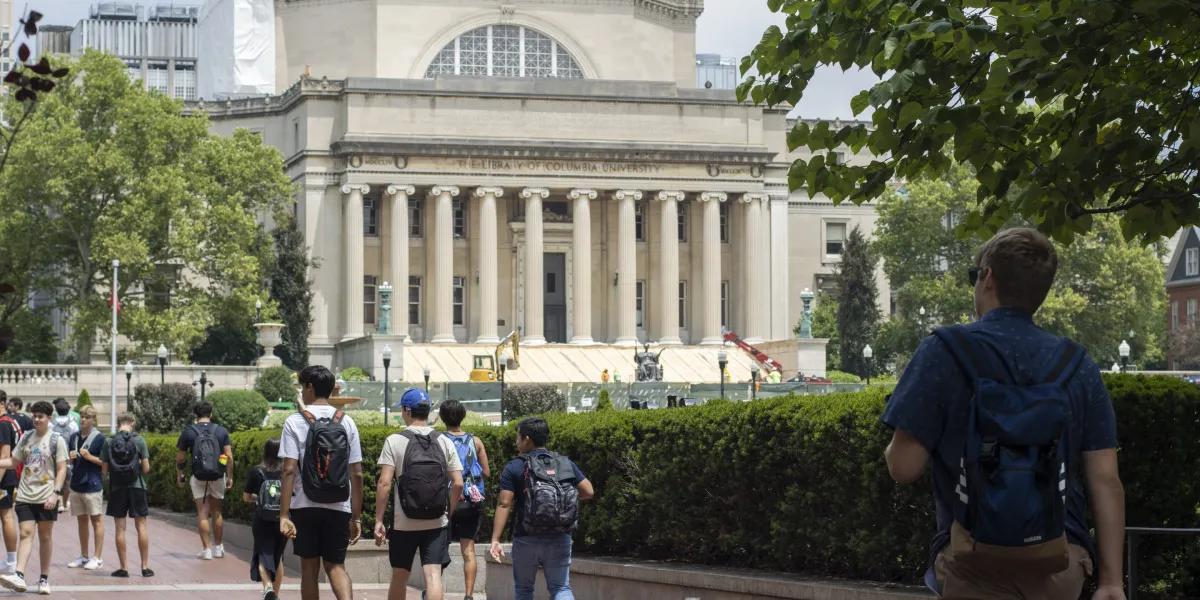
A reported $300,000 private-jet college tour for wealthy families has prompted warnings that an overt display of privilege could work against students seeking places at elite US universities.
The four-day “Elevation Experience” is said to offer travel for seven student-and-parent pairs between seven campuses, with a Gulfstream G650, private tarmac transfers, chauffeured cars, Four Seasons accommodation, concierge services, curated meals and designer luggage.
The company behind the package describes it as providing families with a “strategic edge” in the admissions process. But a former University of Pennsylvania admissions officer, now a senior admissions consultant at Ivy Coach, questioned who such an experience was intended to benefit.
The consultant said wealthy families often understood that conspicuous displays of affluence could undermine efforts to present their children as independent and authentic. The firm has worked with the children of business leaders, heads of state and celebrities, and has reportedly charged seven-figure fees for applications to universities with single-digit acceptance rates.
Admissions and the optics of privilege
According to the consultant, applications two decades ago frequently contained details that highlighted a family’s resources: expensive overseas “service trips”, summer stays in the Hamptons and internships at a parent’s law or wealth-management firm.
The concern was not that applicants were wealthy, but that their achievements could appear to have been designed by their parents rather than developed through the students’ own initiative.
The consultant said more families had since become conscious of how privilege might appear. They were less likely to emphasise elite holidays, seek recommendation letters from powerful contacts or assume that a famous name would secure an offer.
That change was linked to a broader shift towards discreet wealth, in which affluent families are increasingly less likely to display logos, luxury travel or prominent connections publicly.
However, the college admissions industry continues to market experiences that can encourage families to spend heavily in pursuit of an advantage. Prestigious university summer programmes can cost more than $10,000, with some parents believing that participation will attract the attention of admissions officers.
Richard Shaw, Stanford’s dean of undergraduate admission, has warned students against joining summer programmes simply because they think doing so will improve their chances of being admitted.
The consultant said highly selective universities were not seeking applicants with the most expensive experiences, but students who showed self-initiative, character and genuine intellectual curiosity. Strong grades and near-perfect test scores could establish that a candidate was qualified, but did not necessarily make an application distinctive.
Against that backdrop, the private-jet itinerary could create an awkward contrast. Luxury flights, hotel suites and designer luggage do not in themselves demonstrate curiosity, initiative or character, the consultant argued.
Nor would a VIP trip replace a conventional campus visit, which allows a student to experience ordinary university life and register interest in attending. Even families taking part in the luxury itinerary would ultimately have to join a standard campus tour alongside other students.
The admissions process is already an arms race in which wealthy families spend substantial sums in search of an advantage. But the consultant’s central warning was that the more heavily a child’s opportunities are engineered and displayed, the more difficult it may be to portray that student as self-directed, genuine and likeable.
