


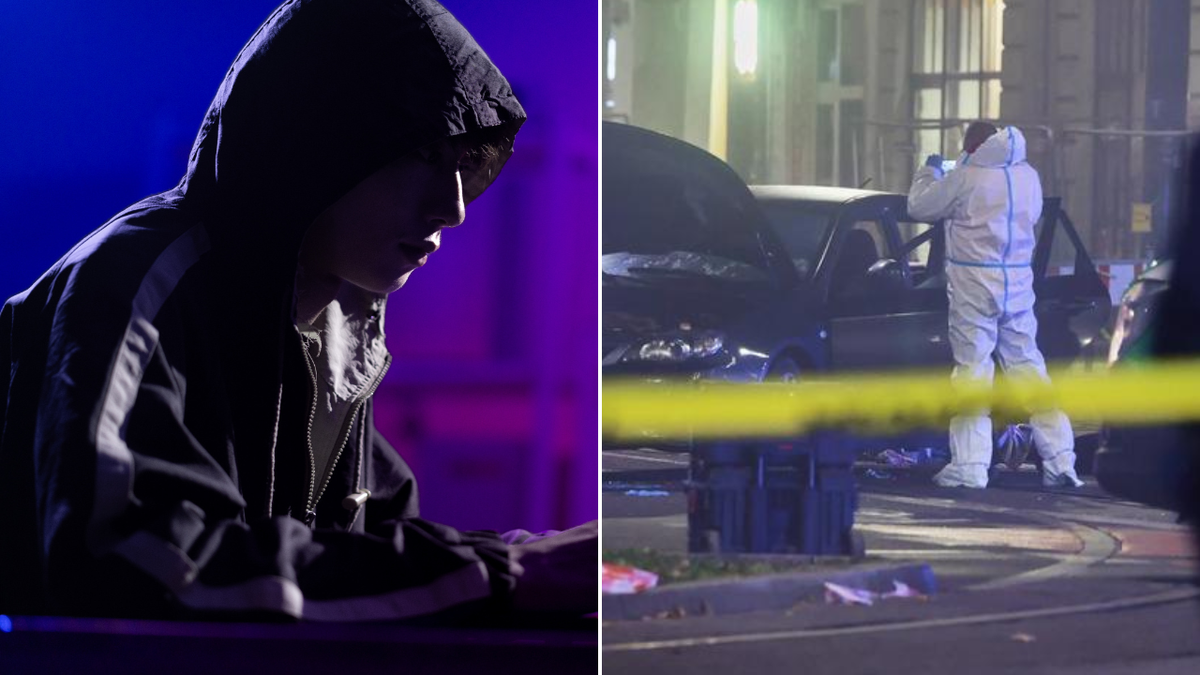
Youth radicalisation online is emerging as a growing counter-terrorism concern in Australia, with minors accounting for 40 per cent of active joint cases being handled by the Australian Federal Police.
The warning comes as lone-actor attacks continue to dominate terrorism in Western countries. The Global Terror Index says such attacks accounted for 93 per cent of incidents this year, with individuals using everyday objects in crowded places.
Australian authorities have also raised concerns that those involved are becoming younger. AFP Deputy Commissioner Sandra Booth has described the issue as “one of our biggest challenges in history”.
“Australia is at a crossroads of youth crime as young vulnerable and impressionable individuals are being radicalised at rapid speed,” she said.
Two teenagers in Darwin were recently arrested and charged with allegedly planning a mass-casualty event. The pair remain before the courts.
The concerns followed an attack in central Krakow, where Polish authorities said a 24-year-old man had been radicalised towards the far right before driving into a busy square and opening fire. Six people were killed and 15 others wounded, according to the account provided by authorities.
How minors are being radicalised online
Experts believe children and teenagers are being drawn into extremist material through social media and video games, regardless of their political affiliation.
Nicola Lockhart, a lecturer at Edith Cowan University’s School of Science, said platforms including TikTok, Instagram, Discord and Roblox could expose young people to radicalising content.
She said technology had reduced the process of radicalisation to just a few days in some cases, with socially isolated teenagers targeted by extremist groups.
“They often don’t have large groups of friends, they feel alone in the world,” Ms Lockhart said.
“So when they join these online communities, they feel part of something that they have been missing. That belief system, that sense of community, that fills the gap and that is a very, very fertile ground for radicalisation.”
Ms Lockhart said extremist groups could manipulate social media algorithms to reach a wider audience. In a study involving new social media accounts, a search for “gym program” was followed within four videos by far-right and anti-women content.
“That, to me, was really, really shocking,” she said.
Warning signs of extremist influence
People being radicalised may withdraw from friends, family and wider society while becoming more involved in online groups that offer a sense of camaraderie.
Ms Lockhart said isolation was common among teenagers and did not, on its own, indicate extremism. However, she said almost 80 per cent of lone-actor cases involved the person openly communicating their extremist commitment.
She urged parents and friends to pay attention to changes in language, including the use of keywords associated with extremist communities and increasingly open hostility towards particular groups.
More serious warning signs can include admiration for previous attackers, sudden discussions about weapons or searches for weapons online, and references to “final acts”, she said.
“Those are really obvious signs that somebody needs to act or somebody needs to step in and that something serious is going on here,” Ms Lockhart said.
