


A new study from researchers at Stetson University casts doubt on the impact of so‑called harmful language guides, suggesting that everyday readers generally do not find the targeted terms offensive and that reading them in fiction does not harm psychological wellbeing. The two experiments, conducted with American adults and published in the Journal of Open Inquiry in the Behavioral Sciences, question whether restricting commonplace phrases actually delivers measurable benefits.
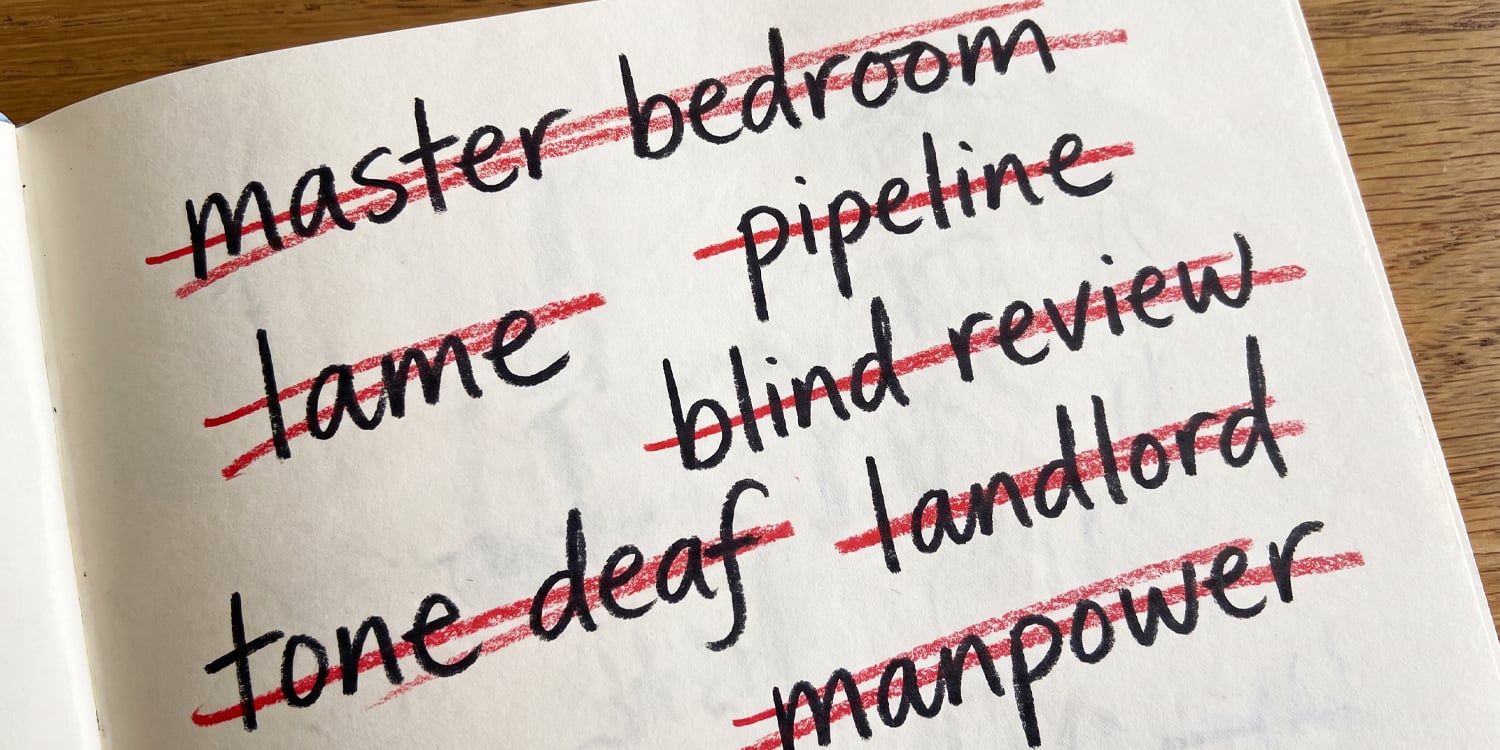
Harmful language guides are policy documents produced by institutions, universities or businesses that urge people to avoid certain everyday words and to favour alternatives they deem safer. Examples cited in the study include replacing terms such as “blind review” with “anonymous review” and swapping “master bedroom” for “primary bedroom,” with the stated aim of dismantling perceived hierarchies and reducing distress for marginalised groups.
The debate about whether particular words cause harm has long divided commentators. Proponents argue that terms with violent, sexist, or racist origins continue to harm readers, while critics contend that such guides can rely on circular reasoning—labeling a word as damaging merely because of its history—without contemporary evidence of harm. The researchers note that this widening of what counts as harmful, known in psychology as concept creep, can have real‑world consequences.
In addition to exploring society’s views on the language itself, the study touches on broader concerns about how flexible language boundaries influence mental health. It references earlier work in the field that linked a more expansive notion of distress to higher rates of self‑diagnosis, and a 2023 meta‑analysis suggesting trigger warnings may not reduce distress and could heighten anxiety before readers engage with material.
Lead researcher Michael A. Eskenazi, an associate professor of psychology at Stetson University, explained the motivation behind the work. “This study was motivated by ongoing debates about whether words cause harm and the rise of harmful language guides that attempt to ban or discourage the use of some words,” he told PsyPost. “While there are certain words that society has nearly universally deemed reprehensible and harmful, there is an entire other class of words with much less clear levels of harm, such as pipeline or master bedroom.”
The project comprised two separate studies. In the first, 616 American adults were presented with 175 word–phrase pairs, each pair including a term flagged by guides alongside its recommended alternative. Respondents read each phrase in a neutral sentence and then rated familiarity, acceptability and the level of anxiety it provoked.
Findings from the first study showed that while participants tended to prefer the proposed alternatives, the majority of the originally flagged terms were still regarded as highly acceptable. Only a small portion of the list drew negative reactions, and those tended to be recognisable slurs or pejoratives. In short, everyday English speakers did not broadly view the targeted words as harmful.
To assess whether exposure to these terms might produce subtler psychological effects, the researchers conducted a second experiment with 334 adults randomly assigned to read one of two short stories. One version contained 25 terms drawn from language guides, such as “pipeline” or “tone‑deaf”; the other version substituted the alternatives, like “pathway” or “unenlightened.”
After reading, participants completed surveys measuring reading comprehension, current anxiety, positive and negative affect, and a sense of social inclusion, along with several personality traits, including interpersonal victimhood—the tendency to feel wronged and seek recognition for that perceived suffering.
No measurable differences in psychological wellbeing emerged between the two groups. Reading a story filled with the supposedly harmful language did not raise anxiety or reduce belonging, and the group exposed to the targeted terms even performed slightly better on reading comprehension.
The study also examined the impact on marginalised groups—racial minorities, LGBTQ individuals and disabled participants—and found no evidence of heightened negative effects from the language. The language simply did not trigger the adverse reactions some guides warn about.
“This study shows that most of the words currently debated were not viewed as harmful by most people, and we found no evidence that exposure to them caused measurable psychological harm,” Eskenazi said. “Language is constantly evolving, and the meanings of words can change over time.” He added that a historically derogatory term can shed its original meaning and enter common speech without any intention of harm.
“The only people who experienced slight increases in negative emotions when exposed to the words were those who scored high on moral elitism and a need for recognition,” the researchers noted, a pattern suggesting particular personality traits may influence responses to ambiguous terms.
The findings echo earlier PsyPost coverage linking strong beliefs that words can cause lasting damage with poorer mental health, and they echo a broader caution that warnings about harm may in some contexts cultivate sensitivity rather than resilience.
Eskenazi argued that the question of a word’s harm is empirical and urged caution for creators of harmful language guides. “Whether a word is harmful is an empirical question,” he said. “Creators of harmful language guides should consider more carefully how and why they select words as harmful, whether they are doing more harm than good but emphasising a word’s ‘harm,’ and whether the alternative words they suggest actually provide any measurable benefit.”
Supportive commentary from outside the study emphasised the limitations of the research. Sam Pratt, a PhD student in psychology at the University of California, Los Angeles who was not involved in the work, suggested that policies banning certain terms may have limited practical impact. “In practice, people don’t seem to notice or care about such subtle differences in word choice,” he said. He also warned that the real test would involve communities where policies restricting language shape daily life, noting that in schools and workplaces people continually weigh whether they belong.
Pratt warned against assuming that reframing language will produce large shifts in behaviour: “Although it’s tempting to believe that such subtle interventions can have huge benefits (think back to the priming craze in psychology), this is often a fantasy.” He stressed that the study’s single exposure to a fictional text cannot capture cumulative effects in real‑world settings where people are embedded in communities.
The authors acknowledge several limits: the research looked at ambiguous phrases rather than explicit slurs or insults, involved a single exposure to a short story, and may not translate to long‑term effects in real environments such as workplaces or schools. They emphasised that their results do not justify the use of pejoratives or racial epithets, but rather apply to terms that have lost their original discriminatory meanings or never carried such associations to begin with.
The study, titled “Pipelines and Master Bedrooms: How Harmful is Harmful Language?” was written by Michael A. Eskenazi, Scott W. Semenyna, and Christopher J. Ferguson.
