


Iraq’s top court has ruled that the federal government may deploy troops to international borders, including crossings in the semi-autonomous Kurdish region, in a decision that strengthens Baghdad’s authority over security and strategic resources.
The Federal Supreme Court also approved federal oversight of agencies operating at all border crossings. It said Baghdad must co-ordinate with regional and provincial governments on customs administration.
The ruling came a day after Prime Minister Ali al-Zaidi ordered federal forces to take control of Kurdish-run border crossings and sought authority over oil fields controlled by Kurdish security forces. The move was presented as an effort to curb oil smuggling.
The court said the federal oil ministry could oversee and audit oil and gas fields, while responsibility for managing their output would be shared by Baghdad, regional governments and the provinces where the fields are located.
The government has not said how or when the measures will be implemented.
Iraq’s Kurdish authorities reject ‘military threats’
Kurdish authorities condemned the proposed takeover, with the Kurdistan Regional Government describing it as an assault on the region’s constitutional rights.
In a statement responding to an announcement by the Iraqi military, the regional government rejected what it called “military language and threats”. It said it was co-operating with federal authorities to tackle corruption and called for an end to oil smuggling across Iraq.
Iraq’s state news agency, citing a federal intelligence report, alleged that oil belonging to the state-owned North Oil Company was being diverted and smuggled from Kirkuk and Sulaimaniyah, inside the Kurdish region, to Iran and then on to Afghanistan.
The court decision is seen as a victory for Mr al-Zaidi, although analysts have warned that enforcing the measures could prove difficult in the Kurdish region and against heavily armed Shia militias loyal to Iran.
Renad Mansour, deputy director of the Middle East and North Africa programme and director of the Iraq Initiative at Chatham House, said the judiciary was “very much supportive” of the government’s drive to establish a centralised political order.
“The Iraqi government [is] trying to reclaim some sovereignty … because it’s such a fragmented state where there isn’t a centre,” he said.
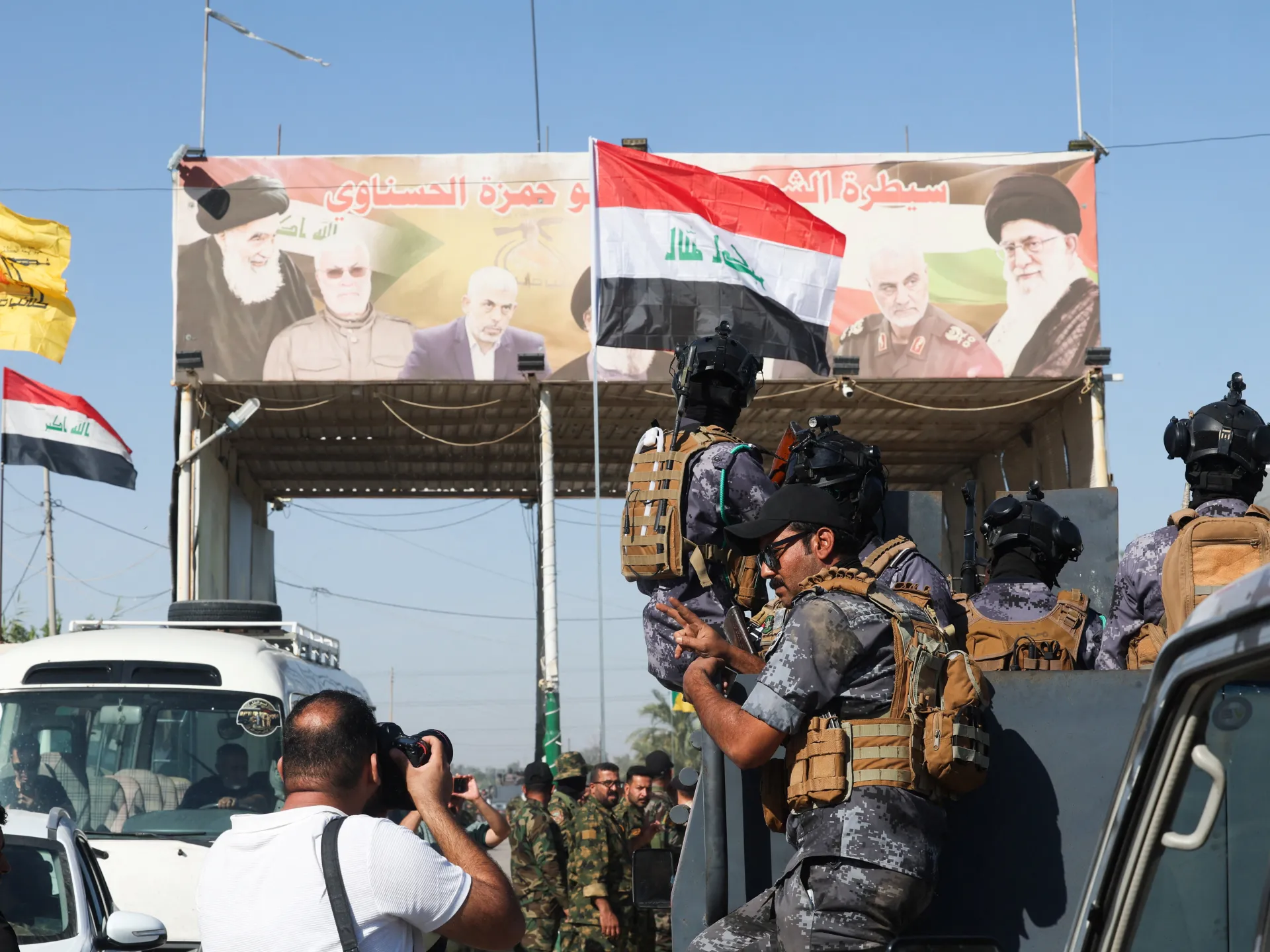
The prime minister has also moved against Kataib Hezbollah, a powerful Iran-aligned Shia militia, after allegations of oil smuggling. Federal troops were ordered to prepare to enter the group’s stronghold of Jurf al-Sakhar, south of Baghdad, but soldiers were later allowed into the city after a compromise brokered by Shia politicians.
