


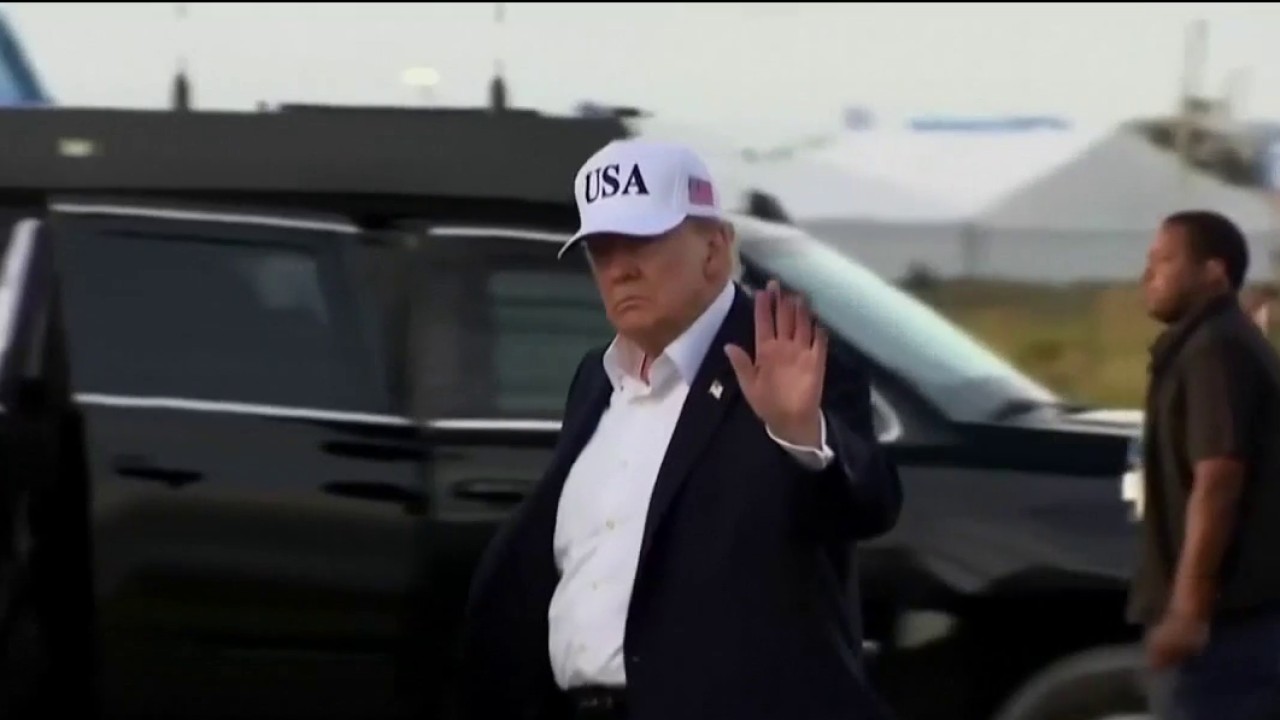
Donald Trump has doubled down on his support for a united Ireland, saying it would be natural to merge the Republic of Ireland with Northern Ireland, which remains part of the United Kingdom.
Speaking on Sunday at the Irish Open at his golf resort in Doonbeg, County Clare, the US president said: “It just seems to me that you have Northern Ireland and you have Ireland, and it would seem to me that one of the naturals of all time is put them together.” ([apnews.com](https://apnews.com/article/7fc7d5cd140a6d902136660909a4c22e))
Trump said his remarks were only his personal opinion but claimed they had received widespread backing. He had made similar comments on Saturday during a meeting with Taoiseach Micheál Martin in Dublin, saying he would “love” to see the island unified and that it “may as well happen now”.
The intervention has reignited a politically sensitive debate over Northern Ireland’s constitutional future, drawing criticism from pro-British unionists and politicians in Westminster while being welcomed by Irish nationalists.
Democratic Unionist Party leader Gavin Robinson said Northern Ireland’s future would be decided by its people, rather than by politicians in London, Dublin or Washington. He said the region remained in the UK because that was the settled democratic will of its population. ([apnews.com](https://apnews.com/article/7fc7d5cd140a6d902136660909a4c22e))
United Ireland debate follows Trump intervention
The 1998 Good Friday Agreement provides for a referendum on Irish unity if it appears likely that a majority in Northern Ireland would support joining the Republic. The British Government has said it does not believe the conditions for such a vote have been met.
Mr Martin sought to play down the dispute, saying there had been an “overreaction” to the US president’s comments. “He takes a different sort of perspective on things. We know that,” the Taoiseach said, urging people to “keep a calm perspective”. ([apnews.com](https://apnews.com/article/7fc7d5cd140a6d902136660909a4c22e))
Trump’s comments mark a departure from the long-standing practice of US presidents avoiding direct intervention on the question of whether Northern Ireland should remain in the United Kingdom or join a united Ireland.
