


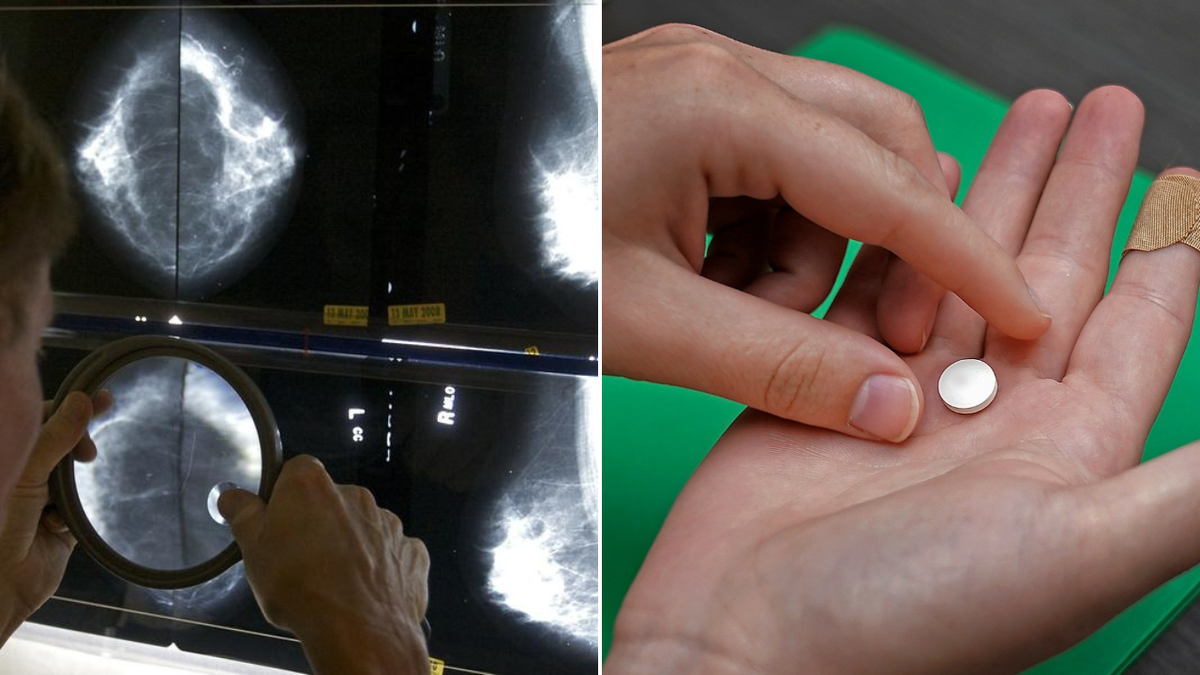
Roche’s new breast cancer pill, Wilserdly, has been approved in the United States for certain patients with early-stage disease, offering a new hormone-treatment option more than two decades after the last such therapy was cleared.
The US Food and Drug Administration approved the tablet, also known by its chemical name giredestrant, on Monday. It is designed to treat oestrogen receptor-positive breast cancer by blocking hormones that can drive the growth of cancer cells.
A month’s supply of Wilserdly will be listed at US$22,500 in the United States.
Wilserdly approval and prospects in Australia
The Therapeutic Goods Administration has not received an application for the drug in Australia. A spokesman said overseas approval did not replace the need for a sponsoring company to submit evidence supporting the medicine’s proposed use.
“Approval depends on the outcome of the TGA’s assessment,” the spokesman said. Roche Australia declined to comment, as the treatment has so far been approved only for use in the US.
Some Australian cancer centres have previously taken part in trials of oral cancer medicines, including the Mater Hospital, raising the prospect of further opportunities for patients in future.
Roche is positioning Wilserdly as a potential major commercial success. Teresa Graham, chief executive of the company’s pharmaceuticals arm, said she expected its peak sales to be comparable with those of Ocrevus, Roche’s current best-selling medicine for multiple sclerosis.
Ocrevus generated 7.01 billion Swiss francs, equivalent to $8.3 billion, in 2025, with Roche forecasting peak sales of 9 billion Swiss francs in 2029. Analysts at RBC have previously predicted that Wilserdly could eventually generate annual peak sales of about $14 billion.
For 2027, Roche expects sales of between 500 million and 600 million Swiss francs. The company said it was waiting for further survival data, expected in the first half of next year, before seeking European approval.
Breast cancer is diagnosed during the lifetime of about one in seven women and one in 600 men. More than 3,300 Australians, including about 40 men, die from the disease each year.
