


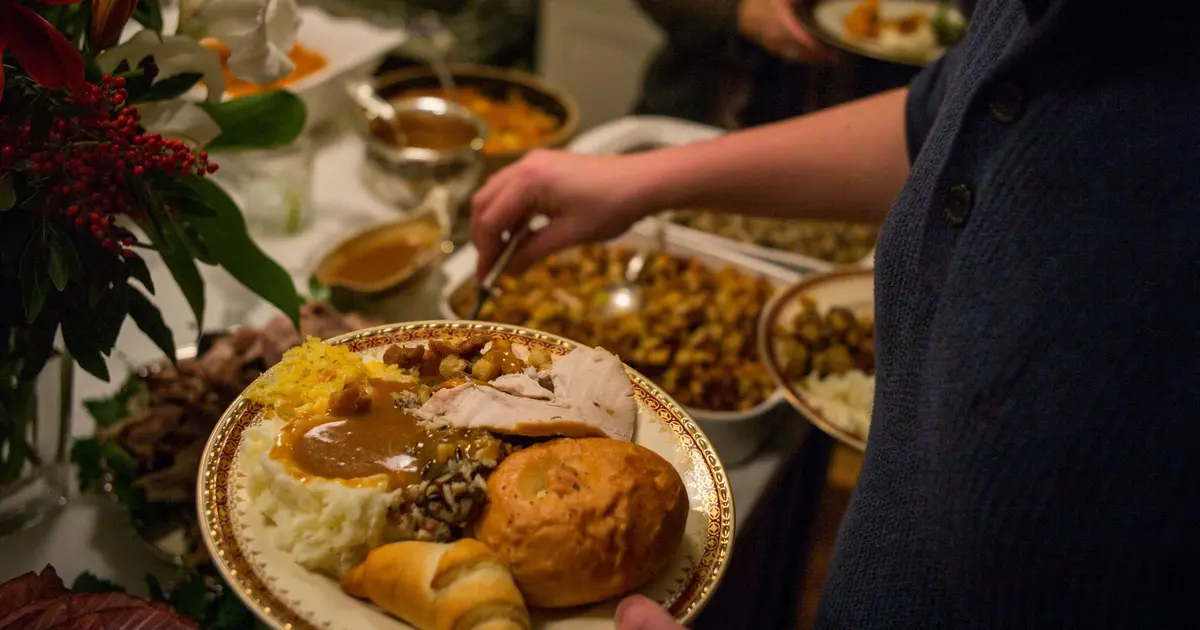
The cost of a 2026 Thanksgiving dinner in the US has risen for the first time in four years, with the average meal for 10 people reaching $58.63, according to the American Farm Bureau Federation.
The figure is $3.45 higher than last year, representing an increase of 6.3%. It remains below the record $64.05 recorded in 2022, however, and is around 8% lower than that peak.
The biggest factor behind the increase is the price of turkey. A frozen 16-pound bird now costs an average of $23.68, up 10% on 2025, with the federation attributing the rise to strong demand and tight inventories.
Prices also increased for several other traditional Thanksgiving ingredients, including boneless ham, milk, dinner rolls, sweet potatoes, russet potatoes, frozen peas, frozen green beans and cubed stuffing.
Conflicting forecasts for Thanksgiving dinner costs
The American Farm Bureau Federation’s annual tracker uses a standard basket of food intended to represent a typical Thanksgiving meal. The list includes turkey, vegetables, cranberries, stuffing, pumpkin pie ingredients, milk and cream, with ham, green beans and russet potatoes added in 2018.
A separate forecast from the Wells Fargo Agri-Food Institute reached a different conclusion. Its basket of 10 items, including turkey, stuffing, vegetables, mashed potatoes, gravy, cranberries, rolls, salad, pumpkin pie and whipped cream, was estimated to cost $78.93 in 2026.
That represented a fall of 0.4% from the previous year, despite food-at-home inflation of 1.8%. Six of the 10 items tracked by the institute were cheaper than in 2025.
The report said there were “no major price shocks on the plate”, although pumpkin pie rose 2.5% and gravy mix increased 2.2%. It also noted that no item in its Thanksgiving basket had risen by double digits.
How GLP-1 medicines could affect Thanksgiving spending
The Wells Fargo analysis also examined the possible impact of GLP-1 medicines, including semaglutide, liraglutide and dulaglutide, on household grocery spending.
About one in eight US adults said they were taking a GLP-1, while 11% reported using one for weight loss, up from 3% in 2024, the study found.
Peer-reviewed research cited in the report found that households reduced grocery spending by 5.3% within six months of starting GLP-1 treatment. The sharpest reductions were in purchases such as savoury snacks, sweet bakery products, bread, refrigerated dough and cookies.
That could affect Thanksgiving staples such as rolls, stuffing and pie, although the report suggested traditional dishes were more likely to be served in smaller portions than removed altogether.
Families looking to reduce their bill have been advised to compare turkey prices, particularly as frozen turkeys weighing more than 16 pounds averaged 96 cents a pound, virtually unchanged from last year. Fresh turkey was around 11% more expensive by weight.
The largest potential saving may come away from the dinner plate. Beverages accounted for $48.61, or 38.1%, of the expanded Thanksgiving basket, while sparkling water prices alone rose 6.4%.
