


How insulin acts in the aging brain
Testing daily peanut intake in a crossover trial
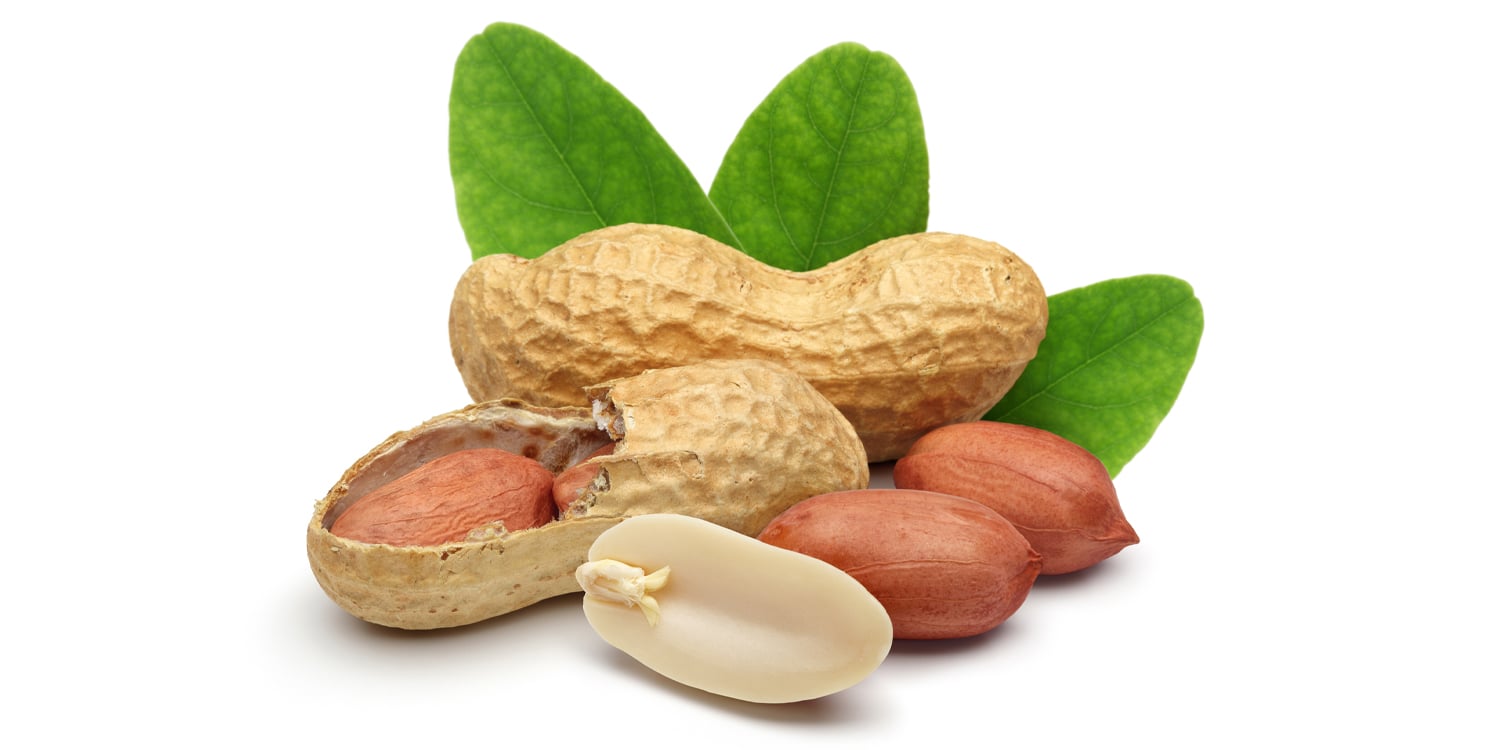
In a single-blind crossover design, each participant completed two 16-week periods in random order, separated by an eight-week washout. During the peanut phase, individuals consumed 60 grams daily of unsalted, skin-roasted peanut kernels, totaling about 340 calories and 29.5 grams of mostly unsaturated fat.
During the control phase, participants avoided peanuts and other nuts and seeds, with all researchers remaining blinded to phase assignments. Compliance was high, with a median rate of about 100 percent among those who completed the trial.
After each 16-week period, participants underwent a 12-hour fast before visiting the clinic for brain imaging and blood tests. Brain insulin responsiveness was measured using a noninvasive MRI method that tracks blood flow changes following four puffs of intranasal insulin (160 international units). A second set of scans assessed liver fat and related metabolic markers during the same visit window.
Changes in memory-related brain regions
The peanut intervention increased average daily energy intake by roughly 215 calories and shifted the diet toward more unsaturated fat and fibre, with less carbohydrate, saturated fat, and dietary cholesterol. Despite these dietary shifts, there were no statistically significant changes in overall brain blood flow when considering large brain divisions.
However, a focused analysis revealed a localized right-hemisphere cluster of 552 cubic millimetres where blood flow decreased more after intranasal insulin following the peanut phase than after the control phase. The mean difference was about 5.4 milliliters per 100 grams of tissue per minute, with the cluster spanning regions tied to memory processing—the lingual gyrus, hippocampus, and parahippocampal gyrus—along with small overlaps in the thalamus and posterior cingulate gyrus.
“Peanut consumption beneficially affected insulin responsiveness in a brain region involved in memory,” Joris said, noting that this finding offers an additional possible mechanism by which peanuts might support cognitive performance in older adults.
While the observed regional insulin response appeared linked to memory-related areas, the study did not show a statistically significant correlation between individual shifts in this response and verbal recognition memory gains. The authors cautioned that the trial was not powered to detect person-to-person correlations and that biological variability or non-linear relationships could obscure such links.
Liver fat, blood markers, and proposed nutrients
The peanut protocol did not meaningfully reduce liver fat; levels were 5.3 percent after the peanut phase versus 5.0 percent after the control phase, a difference that was not statistically significant. In a separate, earlier crossover trial by some of the same authors, mixed tree nuts did lower liver fat in overweight adults, suggesting nuts vary in metabolic effects depending on composition.
Across exploratory blood measures, fasting glucose, insulin, peripheral insulin resistance, cholesterol fractions, triglycerides, and C-reactive protein showed no statistically significant differences between phases. Triglycerides dipped modestly at week eight during the peanut period but returned to baseline by week 16.
Researchers posited several nutrients in skin-on peanuts that might influence brain insulin signaling, including plant protein, L-arginine (a precursor to nitric oxide involved in vascular function), fibre, polyphenols, vitamin E, and magnesium. The skins, kept intact in this trial, supply a fibre-rich and antioxidant-rich component thought to act in concert to affect brain processes.
Study caveats and questions for future research
The study received funding from The Peanut Institute Foundation, though the authors say the funder had no role in study design, data collection or analysis, or publication decisions. Because participants ate whole, uncrushed peanuts with skins, researchers note that the observed effects might differ with other peanut forms, such as peanut butter, roasted but skinless nuts, or salted varieties.
As a mechanistic study in healthy older adults lasting 16 weeks, the authors emphasise that broader confirmation is needed. Larger and longer trials are required to determine whether effects persist with habitual intake and whether similar benefits occur in other populations, including those with cognitive impairment. Future work may also test different peanut preparations and isolate specific bioactive components to pinpoint the drivers of brain insulin responsiveness.
