


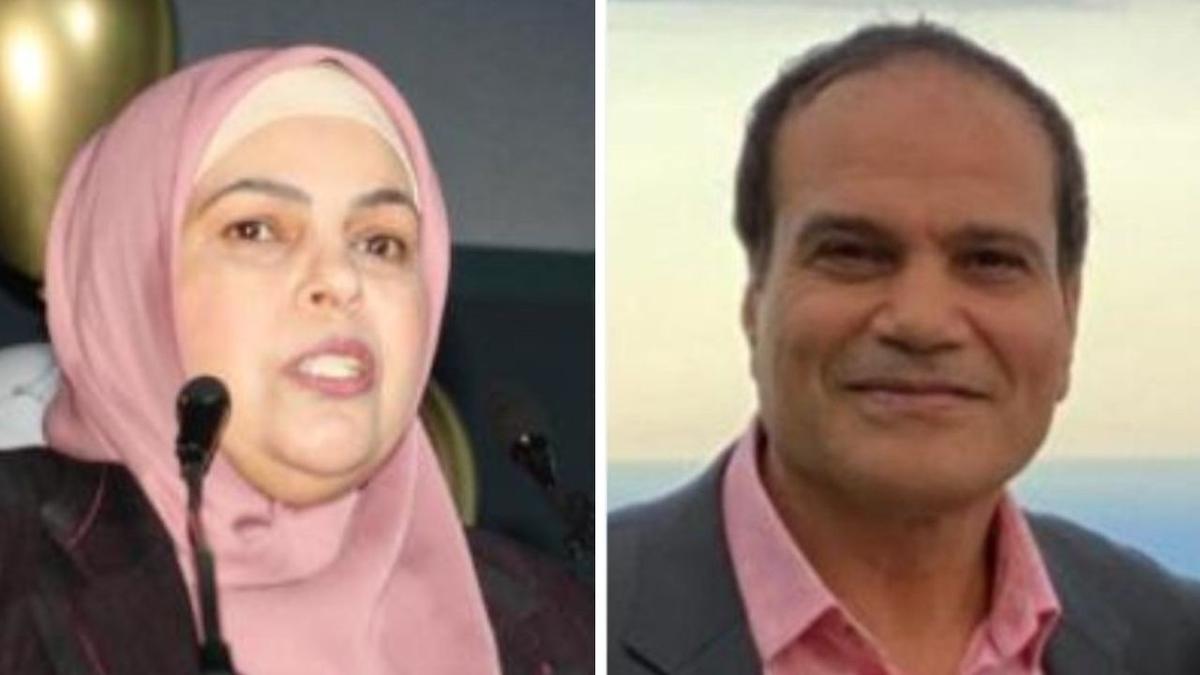
The case of Nirmeen Noufl, who killed and dismembered her husband in western Sydney, has prompted renewed concern about women killing abusive partners after years of violence and losing faith in the institutions meant to protect them.
Noufl, 61, was sentenced on Friday over the death of Mamdouh Noufl at the couple’s home in Greenacre. She said she feared for her life during an altercation between May 3 and May 4, 2023.
In the days after the killing, an unidentified person went to the property and removed an unknown number of garbage bags believed to contain Mr Noufl’s dismembered remains. The remains have never been found.
Domestic and family violence expert Xanthe Weston said the disposal of the body was “particularly unusual”, but argued that the killing itself was consistent with the extreme reactions that can follow prolonged abuse.
“The public still doesn’t really understand the significant, severe and really impressive, inspirational effects of long-term abuse, especially when there is a trigger in a relationship and there’s a sudden escalation that can lead to extreme violence and self-defence,” Dr Weston said.
She said people who had acted in what she described as a survival response might run, hide or attempt to avoid detection in the immediate aftermath.
“They’re all driven by the same factor of survival,” Dr Weston said. “The fact she went down this particularly unusual path is what has led to this case being higher profile than a lot of the others.”
Domestic violence victims and ‘survival mode’
Dr Weston said many women were afraid of becoming involved with official systems because they believed doing so could trigger further violence or fail to protect them.
“They worry they can’t be protected. We all know that AVOs can be applied, but they can always be breached if somebody wants to reach you,” she said.
During Noufl’s sentencing, Judge Peter Hamill said police had been called to the home on several occasions during the relationship, but that “many incidents went unreported”. He described the history of violence as “sustained and serious”.
The case has emerged amid protests outside the New South Wales Parliament over the deaths of 49 Australian women and 19 children killed by men in 2026.
Abigail Boyd, a Greens member of the NSW Legislative Council and the party’s gendered violence spokeswoman, said women such as Noufl could reach a point where they believed there was no other way to leave an abusive relationship.
“There’s no other way out. We have these women lashing out in a final moment of wanting to exit, and it can be physical, and then these women are often misidentified as being the primary aggressor,” she said.
Ms Boyd said funding for family and domestic violence services represented less than 0.5 per cent of the state’s budget, which she said was about 128 billion Australian dollars.
Dr Weston said Noufl’s case could help demonstrate the effects of long-term abuse, despite the disturbing circumstances surrounding the killing.
“A case like this, putting the gruesomeness aside, may actually help raise awareness of just how serious the impacts of long-term abuse are. It can drive people to murder,” she said.
Noufl could be released from prison as early as October 2027.
