


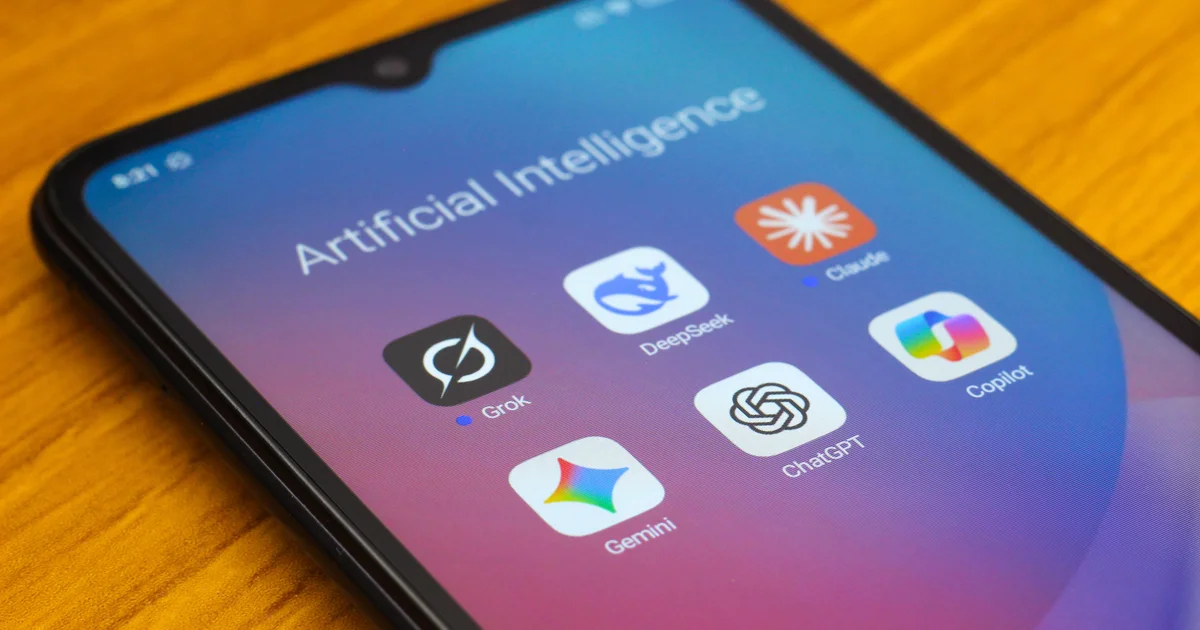
Americans fear artificial intelligence could harm people, but most do not want its development stopped altogether, according to a national poll. Instead, respondents favour tighter management of the technology, with responsibility shared between AI companies and the government.
The survey found that people were more concerned about AI being used by individuals to harm others than about models acting independently against humans. Overall, pessimism about the technology outweighed optimism.
Despite those concerns, most respondents said the United States needs to develop AI to remain competitive and should move faster than China. They also saw potential for the technology to contribute to medical and scientific breakthroughs.
That combination of caution and perceived strategic importance has led to a preference for slowing AI development rather than halting it completely. Very few people said the technology should be stopped altogether.
Respondents were sceptical that AI companies could manage the risks responsibly without outside intervention. More people supported a government role in restricting AI than in promoting its development.
Many also believed AI would reduce the overall number of jobs. Concern about job losses was particularly strong among those who wanted the government to restrict AI use rather than encourage it.
At the same time, workers were more likely to think AI would make their own jobs easier than harder. The findings suggest that people can see practical benefits in the workplace while still fearing a wider reduction in employment.
Those who believed AI was likely to take jobs were generally more pessimistic about its other effects. Views did not closely track either age or political party affiliation.
There was some optimism about AI helping to produce useful medical discoveries and making everyday tasks easier. Even so, respondents were more likely to say the technology creates problems than solves them.
The CBS News/YouGov survey questioned 2,051 US adults between 16 and 18 September 2026. The nationally representative sample was weighted by gender, age, race, education and 2024 presidential vote, and the margin of error was 2.5 percentage points.
