


Atlanta drew hundreds of thousands of football supporters and millions of dollars in spending during the 2026 FIFA World Cup, but hotel occupancy fell sharply compared with the same period last year.
Room occupancy in the city stood at 63 per cent in June, down four percentage points from 2025, before falling to 57 per cent in July – a 10-point decline, according to Charlene Lopez, executive vice-president of the Atlanta Convention and Visitors Bureau.
Why Atlanta World Cup hotel occupancy fell
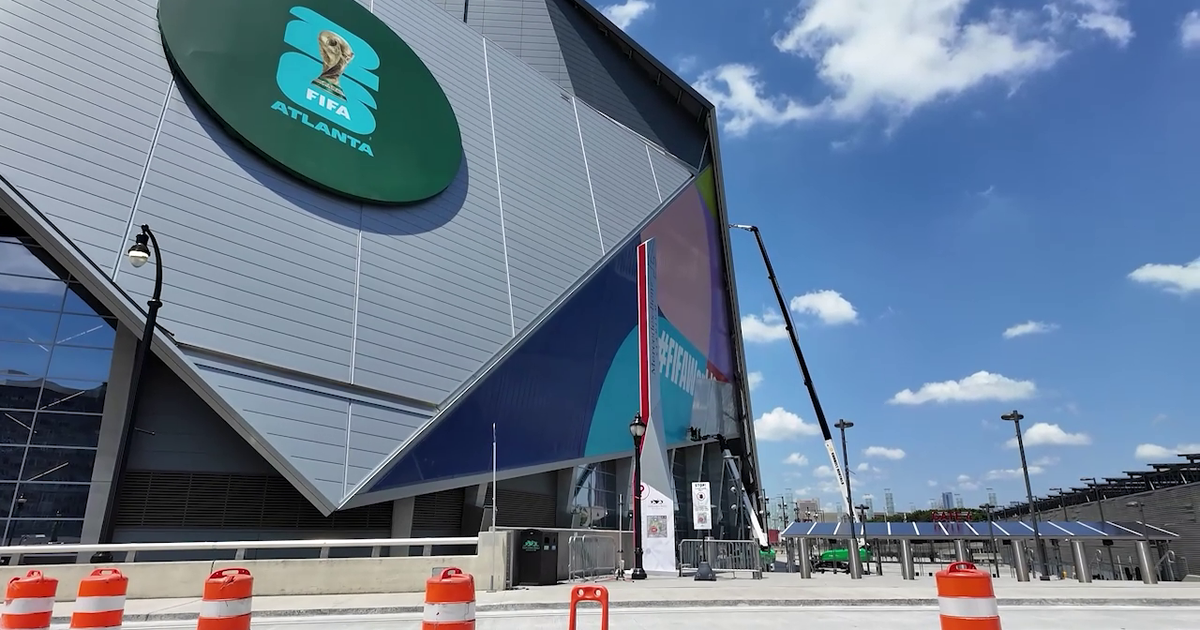
The figures came despite a substantial influx of visitors. Mercedes-Benz Stadium welcomed 544,516 fans across eight matches, while more than 500,000 people attended the official FIFA Fan Festival at Centennial Olympic Park, according to figures released by Atlanta’s tourism authorities and stadium management.
However, the pattern of the tournament appears to have favoured short visits rather than extended stays. Most matches at the stadium began around midday, allowing supporters to travel into Atlanta for the game and leave later that day or the following morning.
Mercedes-Benz Stadium’s location, close to Hartsfield-Jackson Atlanta International Airport and the city centre, also made it relatively easy for visitors to attend a match without booking several nights in a hotel.
Ben Lawrence, director of Georgia State University’s School of Hospitality, said the tournament attracted a greater proportion of domestic visitors than international tourists. Overseas supporters generally stay longer and spend more time exploring the host city.
“Whenever you have a large event, it displaces other conventions or other customers coming to the city,” Mr Lawrence said.
The Atlanta Convention and Visitors Bureau said fuel prices and geopolitical tensions had played a smaller part in the slowdown than the nature of the tournament itself. The World Cup also displaced some conventions and other business travel that would normally have supported hotel demand.
Despite the weaker occupancy figures, tourism officials have described the tournament as an overall success for Atlanta. The city recorded strong attendance at its public fan events, while the stadium received favourable reviews for its accessibility and matchday experience.
MARTA said it carried more than 2.5 million passengers during the tournament period, nearly double its usual ridership, while city officials said the event passed without a major incident.
Tourism leaders believe the international exposure will help Atlanta compete for future sporting events and large conventions, even if many World Cup visitors stayed for only a night or travelled in and out on the same day.
