


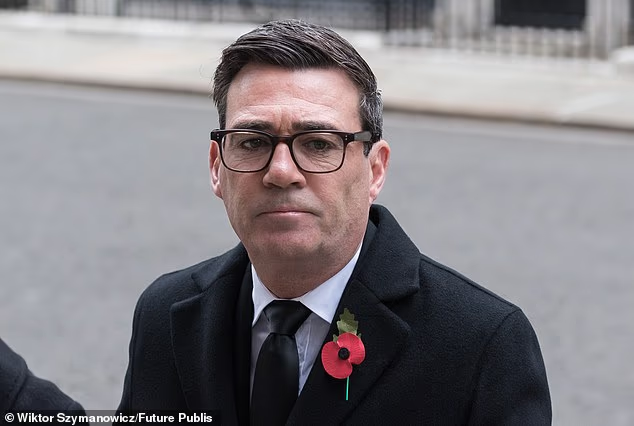
Andy Burnham’s EU deal has triggered a fresh political backlash after the Prime Minister suggested an agreement due to be unveiled later this month would be only the beginning of closer ties with Brussels.
Mr Burnham said a summit on November 20 would seek to reduce red tape affecting food imports and exports and ease pressure on supermarket prices. But he added that the proposed arrangement did not have to be “the end of our ambition”.
He said closer co-operation with Europe could help drive growth, improve the country’s security and provide more tools to tackle illegal migration.
The remarks drew criticism from Brexit supporters, who accused the Prime Minister of seeking to move Britain back towards the European Union without a clear mandate.
Former Tory home secretary Dame Priti Patel said: “This man is unelected and he has no mandate to start negotiating or trying to drag us back into the EU, by the back door, in a way which is not transparent. The country has moved on and Burnham seems to be living in the past.”
Former Brexit Secretary David Davis said closer relations with Britain’s nearest neighbour could be beneficial, but warned that it should not come “at any price” or on terms demanded by European countries.
Conservative peer Lord Redwood said the Prime Minister should be open about the consequences of closer integration, claiming it would mean “dearer energy, higher taxes and slower growth”.
Lisa Nandy faces criticism over Remembrance remarks
The dispute intensified after Culture Secretary Lisa Nandy was accused of using Remembrance Sunday to promote closer ties with Europe. Her department said: “We owe it to our brave veterans to repair these relationships with our friends in Europe.”
The comments prompted criticism from veterans. Falklands veteran Simon Weston, 65, said: “It’s tragic that somebody could be so obtuse. I am stunned.”
Ms Nandy said she was “horrified” by the accusation that she had sought to politicise the commemoration. She said she wanted young people to understand the contribution made by their grandparents and great-grandparents “not just to us, but to many, many lives of people that they had never met”.
She acknowledged that Britain would face “trade-offs” in seeking closer relations with the EU and appeared to rule out rejoining the bloc, while arguing that stronger links could help fulfil the promises of Brexit.
Michel Barnier, the former Brussels Brexit negotiator, warned that the UK could not choose selectively between the EU’s freedoms if it wanted a closer relationship. “There is no cherry picking,” he said. “There will be no possibility to have one freedom and not the other.”
