


The cost of the Iran war could reach between $2 billion and $3 billion a month for as long as the conflict continues, according to an estimate by the non-partisan Congressional Budget Office (CBO).
The analysis said spending could rise during periods of intensified exchanges with Iran. It estimated that the conflict cost the US about $38 billion between February 28 and August 1, excluding repairs to damaged US bases in the region.
Replacing munitions accounts for most of that bill. The CBO put the cost of replenishing weapons used through August 1 at $21.7 billion, including $7.3 billion for land-attack cruise missiles, $13.1 billion for missile-defence interceptors and $1.2 billion for other munitions.
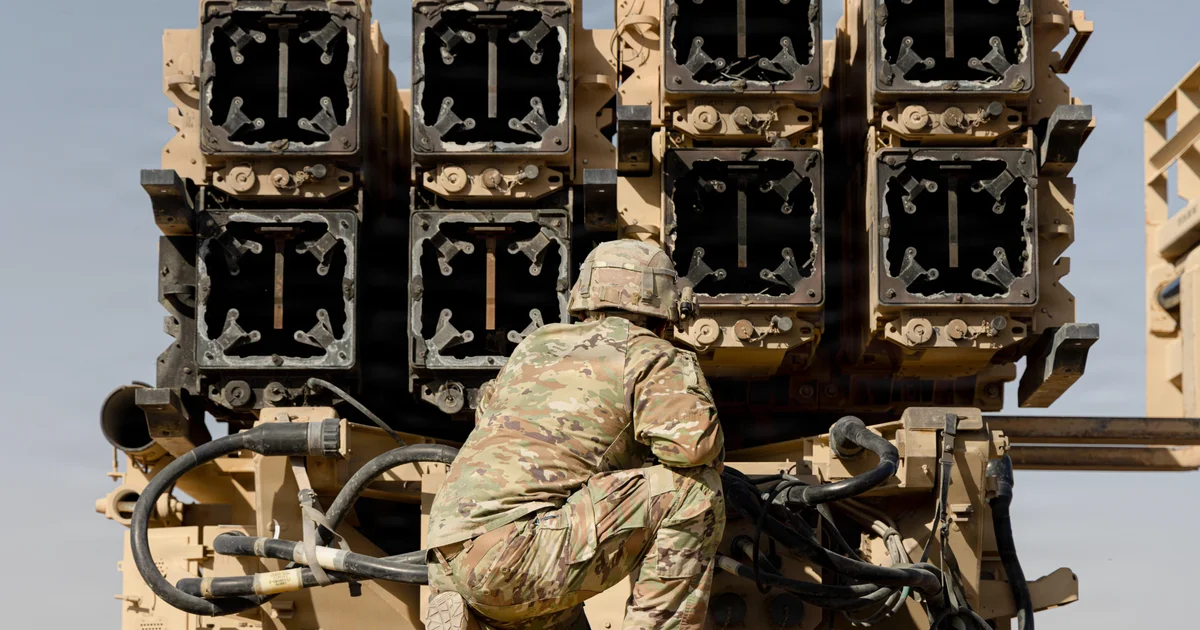
The heavy use of interceptor missiles has left the US with a “reduced inventory of interceptors for several years”, the report said. It warned that the shortfall could become particularly serious in a conflict with an opponent possessing large numbers of ballistic and cruise missiles, pointing to China’s arsenal and a potential conflict over Taiwan.
The estimate was published a day after a Pentagon inspector general’s report said the use of munitions had exposed “strategic inventory shortfalls and revealed industrial base bottlenecks for munitions resupply”.
Replacing equipment lost during the conflict is expected to cost a further $1.9 billion, including a THAAD air-defence radar destroyed by Iran. The radar can cost about $500 million and is essential to the system’s ability to intercept missiles, the CBO said.
If the Pentagon seeks additional funding to replace lost aircraft with newer models, the equipment bill could rise to $3.3 billion.
The CBO said a continuation of the conflict at relatively low intensity would cost around $2 billion to $3 billion for each additional month. The monthly figure could increase during an escalation similar to the repeated tit-for-tat strikes seen in July, which the office estimated cost about $3 billion.
The White House and Pentagon have played down concerns over depleted weapons stocks. Donald Trump said: “We have virtually unlimited amounts of mid- to high-grade ammunition, far more than we can ever use.”
Admiral Brad Cooper, the head of US forces in the Middle East, said: “I’m not concerned at all. We’re well-armed and ready for any contingency.” The CBO said the Defence Department had not responded to requests for information.
In June, the Trump administration asked Congress for $87.6 billion in additional funding, including $67 billion for Defence Department needs linked to the Iran war.
Republicans are seeking up to $73 billion in further war funding through the party-line reconciliation process, although the House-approved budget blueprint needed to begin that process has stalled in the Senate.
The CBO prepared its estimate at the request of Brendan Boyle, the Democratic representative for Pennsylvania and ranking member of the House Budget Committee.
Mr Boyle said the report showed that the conflict had cost American taxpayers “tens of billions of dollars and counting”, in addition to the lives of servicemembers and injuries suffered by others.
