


Democrats won control of both chambers of Congress in the US midterm elections, in a result that delivered a significant rebuke to President Donald Trump after two years of Republican control of the legislative branch.
The final count is still being completed, but the outcome has been framed as a verdict on both the state of the American economy and the country’s democracy. Turnout was strong, despite record spending of about $12 billion on the campaigns.
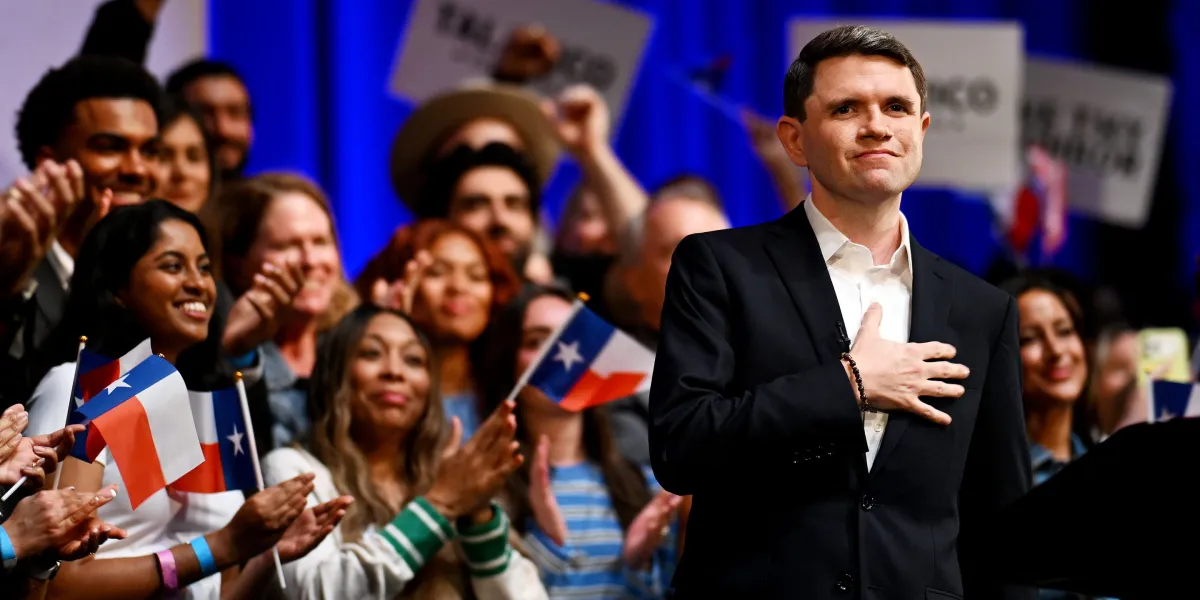
Elon Musk alone contributed $446 million, including about $200 million spent trying to defeat Democrat James Talarico in Texas. Talarico won the Senate seat, in a result that suggested the scale of the spending had prompted a backlash among voters who argued that the state was not for sale.
The elections also exposed the pressure facing policymakers over the cost of living. Grocery and petrol prices, housing, healthcare and debt are expected to remain central issues for the new Congress, while disputes over artificial intelligence and data centres are likely to intensify.
Democrats face pressure to deliver
Voters have given Democrats a stronger role in checking the president after two years in which Congress was accused of giving him a free pass over the dismantling of federal agencies, the redirection of federal funds, military action and tariffs.
However, the result also presents a challenge for the party. The vote must now be translated into policy rather than prolonged investigations and legislative gridlock, with voters expecting Congress to make progress on the issues that affected their daily lives.
Business leaders have been urged to reinforce the importance of free and fair elections as well as open markets, particularly if political figures attempt to cast doubt on the legitimacy of the result. Mr Trump said on election night that he would accept the outcome.
It remains uncertain whether the president will maintain that position. But the result suggests that close alignment with Mr Trump may no longer be enough to secure political influence, while lavish gifts, praise and financial support for his agenda could instead become liabilities.
Mr Trump had urged voters to behave as though his name were on the ballot. In several contests where he personally campaigned for candidates, voters rejected his choices, including an Ohio gubernatorial candidate whose campaign used an advert focused on his opponent’s childhood trauma.
The elections also saw voters reject wealthy individuals seeking to buy influence and district boundaries drawn to produce dependable political outcomes. The task now facing Washington is to turn that protest into effective government.
