


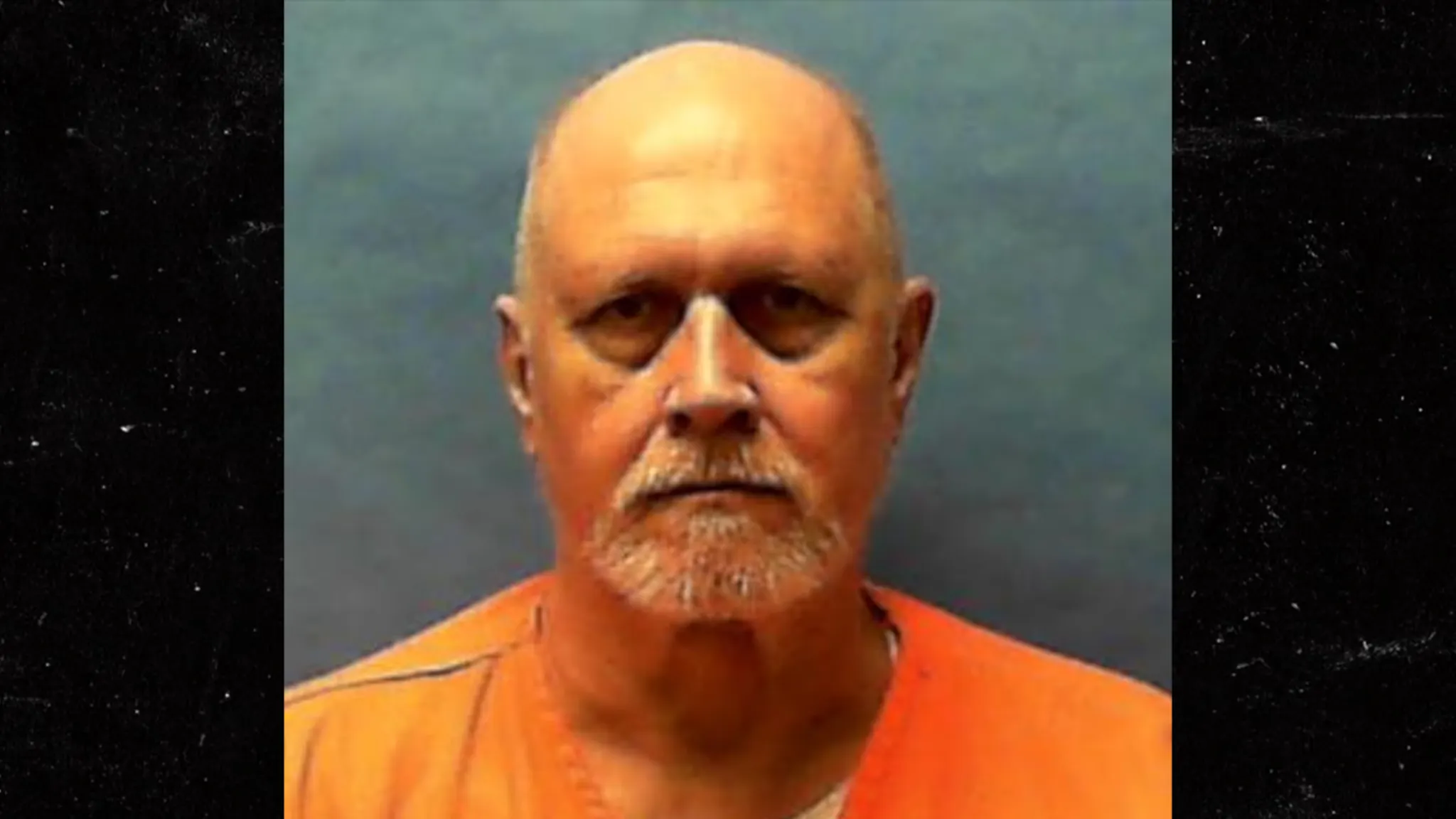
Florida death row inmate Thomas Mitchell Overton is scheduled to be executed by lethal injection, more than 35 years after the murders of a pregnant woman and her husband in the Florida Keys.
Overton, 71, has consistently denied carrying out the killings and claims he was framed by police, who he alleges planted the DNA evidence used to convict him. The execution is due to take place at Florida State Prison and would be Florida’s 20th this year, surpassing the previous annual record of 19 set in 2025.
Michael MacIvor, 30, and his wife Susan “Missy” MacIvor, 29, were found dead at their home in Tavernier on 22 August 1991. Susan was eight months pregnant and her unborn child also died.
Court documents say Michael had been struck on the head and strangled, with masking tape covering his face. Susan was found bound with tape and strangled in the couple’s bedroom; investigators determined that she had also been sexually assaulted.
The telephone wires at the property had been cut and a ladder had been placed against the balcony, investigators said.
The case remained unsolved until DNA evidence linked Overton to semen recovered from the couple’s bedding. Investigators developed a DNA profile in 1993 but did not have a suspect to match it to at the time.
Overton was arrested in 1996 in an unrelated burglary case. He initially refused to provide a blood sample, but investigators later obtained a court order allowing them to collect one. Two laboratories subsequently reported DNA results linking him to the evidence from the crime scene.
He was convicted in 1999 of two counts of first-degree murder, killing an unborn child, burglary and sexual battery. He was sentenced to death.
At his original sentencing proceedings, Overton told the judge: “I didn’t commit the crime.” He did not present evidence that might have helped him avoid the death penalty, saying he believed his conviction would eventually be overturned on appeal and did not want to put his family and friends through the ordeal.
Overton challenges DNA evidence
In a challenge before the Florida Supreme Court, his lawyers argued that further DNA testing could clear him or identify another person involved in the murders. They also alleged that police had planted the semen evidence and questioned the way crime-scene material had been handled.
His defence said the serologist assigned to the case had taken evidence home, stored biological samples in a refrigerator and driven a mattress pad to a psychic for inspection.
Lawyers also sought DNA testing on hairs found on the tape used to bind Susan. They argued the hairs did not appear to match Overton or either victim and could potentially identify the perpetrator.
The Florida Supreme Court rejected the challenges, finding that the defence had not established that the evidence had been tampered with or that further testing justified relief.
Overton has continued to maintain that he is innocent as Florida prepares to carry out what would be its record 20th execution of the year.
