


Florida property tax cuts are forcing local authorities to draw up plans for deep reductions in public services, with councils warning that police, fire, emergency medical response, roads and community events could all be affected.
Amendment 3, approved by voters earlier this month, expands the homestead exemption from $51,400 to $150,000 in 2027 and then to $250,000 in 2028. The measure also halves the annual assessment increase permitted for rental and commercial properties, from 10% to 5%.
School-related property taxes are excluded, but the amendment creates a route towards abolishing non-school property taxes altogether. State economists estimate local governments will lose nearly $5 billion in the first year and almost $12 billion annually once the changes are fully implemented.
Authorities can seek revenue through sales taxes, fees and, in larger cities, taxes aimed at tourists. Smaller communities, however, are expected to face the greatest pressure because some could lose most of their tax base.
Florida cities plan service cuts after property tax changes
Deltona has already cancelled its Christmas parade. City manager Doc Dougherty told residents the city would need to cut $12 million from next year’s budget, followed by a further $5 million the year after. By 2030, the total reduction is expected to exceed $23 million.
“Even though we have been doing everything right by reducing our tax millage for the past four years, including roll back this year, this is only the beginning of the vast reduction in City services our residents will face for years to come,” Mr Dougherty wrote in a letter to residents on Saturday.
He said all city events were effectively cancelled, apart from two self-supporting 5K runs. Deltona is also withdrawing vehicle orders, ending construction contracts and cancelling professional services as it seeks to meet the result of the vote.
Other communities have announced or considered similar measures. Delray Beach has stopped funding its St Patrick’s Day parade, while St Petersburg is ending its beach trolley service.
Brevard County is examining cuts to park maintenance, mosquito control, athletic fields, youth sports programmes and playground repairs. Officials are also having to assess how core services such as policing, firefighting and paramedic provision can be maintained with smaller budgets.
Manatee County commissioner George Kruse estimated that his county would have $63 million less in tax revenue next year and $113 million less the following year.
Mr Kruse said the situation differed from previous recessions and property market crashes because the reduction was permanent rather than cyclical. “This isn’t a cycle, this is a permanent, structural shift in how government functions. Forever,” he wrote in a post on November 13.
He said a small part of the shortfall could be addressed through fee changes, but that the county sheriff would also need to make a significant budget reduction. Mr Kruse ruled out new sales taxes or higher property tax rates that would place a greater burden on renters and small businesses.
“But last week, 65% of Manatee voters said they wanted to forego services and quality of life for lower property taxes,” he added. “So that’s how this Board needs to cover this permanent gap.”
The county is reviewing publicly owned assets, departmental mergers, privatisation, new infrastructure projects, special tax zones, agreements with other authorities and funding for non-profit organisations. Community events are also under scrutiny.
“That includes sponsorships, parades, movies in the park, holiday events,” Mr Kruse said. “Everything adds up when trying to fill such a large hole in the budget. We can’t layoff a needed employee while redirecting their salary to firework displays.”
He also warned that the amendment could alter future development decisions, potentially encouraging denser rental housing instead of new homes that require additional infrastructure. But restricting housing supply could push up property prices and rents, worsening the affordability problems the tax changes are intended to address.
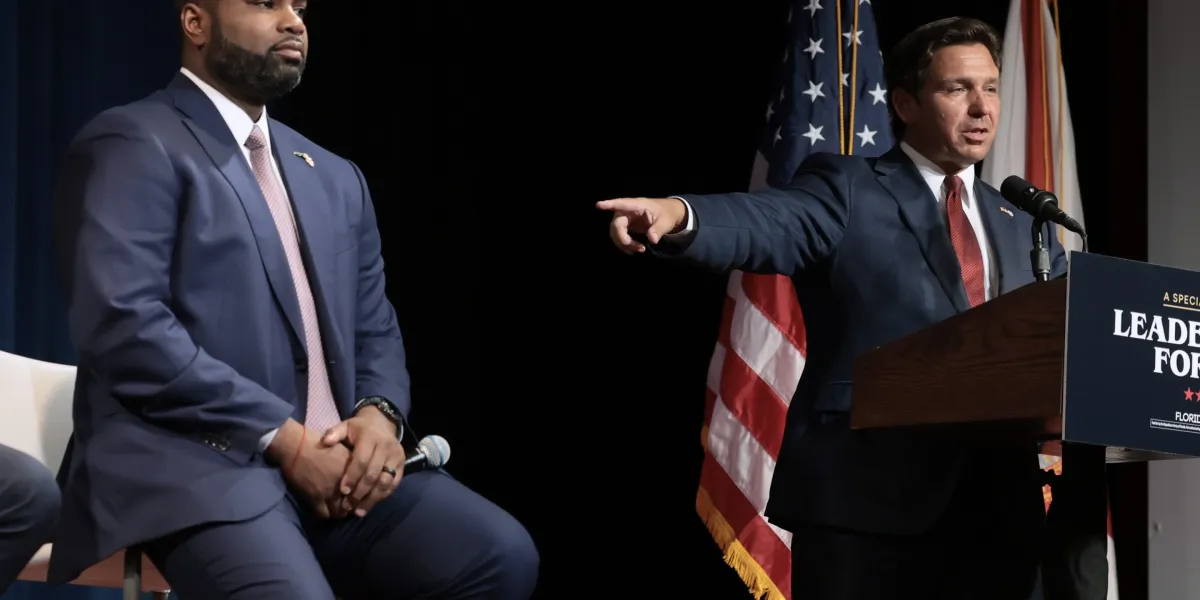
Outgoing Florida governor Ron DeSantis, who supported Amendment 3, has dismissed warnings about the impact as “fearmongering” and suggested state grants could help offset local budget gaps. He has called for a special legislative session to clarify how the amendment will operate.
State House leaders have said such a session is unnecessary, while Senate majority leader-designate Nick DiCeglie has warned local governments against increasing fees. Mr DeSantis has also urged lawmakers to block new taxes and charges, writing on X: “There won’t be fee hikes if the Legislature stops it. Pass a taxpayer bill of rights, limit local spending and protect against new local taxes and fees.”
Responsibility for managing the consequences will fall to governor-elect Byron Donalds as councils and counties begin preparing for the permanent loss of revenue.
