


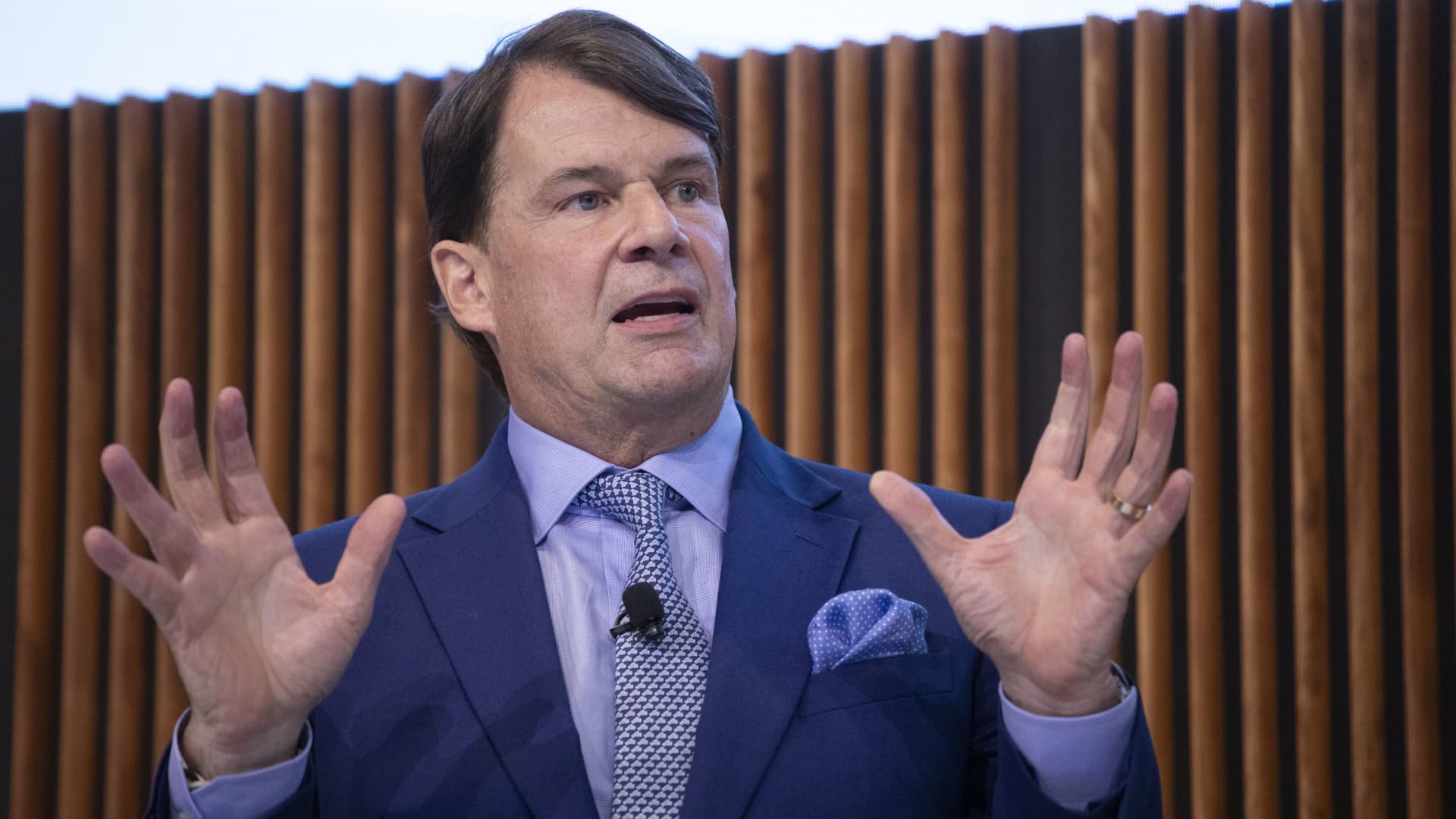
Ford chief executive Jim Farley has urged US politicians to study Europe’s experience before allowing Chinese carmakers into the American market, warning that it is already “too late” to change course in the region.
Speaking at the Automotive News Congress in Detroit, Mr Farley said policymakers should take time to consider the consequences of opening the United States to Chinese automotive brands.
“I think it’s just important for us to take our time to be considerate,” he said. “I watch what’s happening in Europe right now, where that was not the case, and it’s really something that they have to deal with now, and it’s too late.”
Chinese brands increased their global market share by nearly 70% between 2020 and 2025, according to GlobalData. Their share of the European market, which was virtually nothing in 2020, reached 12% in August, figures from Dataforce show.
Ford is attempting to compete with the growing presence of Chinese manufacturers in Europe while also forming partnerships with some of them in areas including electric vehicle batteries.
In July, Ford and China’s Geely said the companies planned to establish a manufacturing joint venture to build electric vehicles at Ford’s plant in Spain by early next year.
“Our answer is pretty simple. We’re going to partner with the Chinese where we don’t have [intellectual property], where we can be more capital efficient in places like Europe or Southeast Asia,” Mr Farley said.
He said Ford would also compete directly with Chinese manufacturers and was preparing to launch what he called its “universal electric vehicle” next year, starting with a pick-up truck.
Mr Farley’s comments follow a letter from the Trump administration expressing “profound concern” about Ford’s links with Chinese companies and questioning the direction of its strategy. Ford defended its position, saying it was America’s top-producing carmaker and employed more hourly workers in the country than any other automaker.
The warning also came after a visit by Chinese President Xi Jinping with President Donald Trump last week. Mr Trump said earlier this month that he might be “OK” with Chinese automakers entering the US market if they produced vehicles domestically.
Legislation before Congress could restrict, or permanently ban, Chinese automotive brands from entering the United States.
