


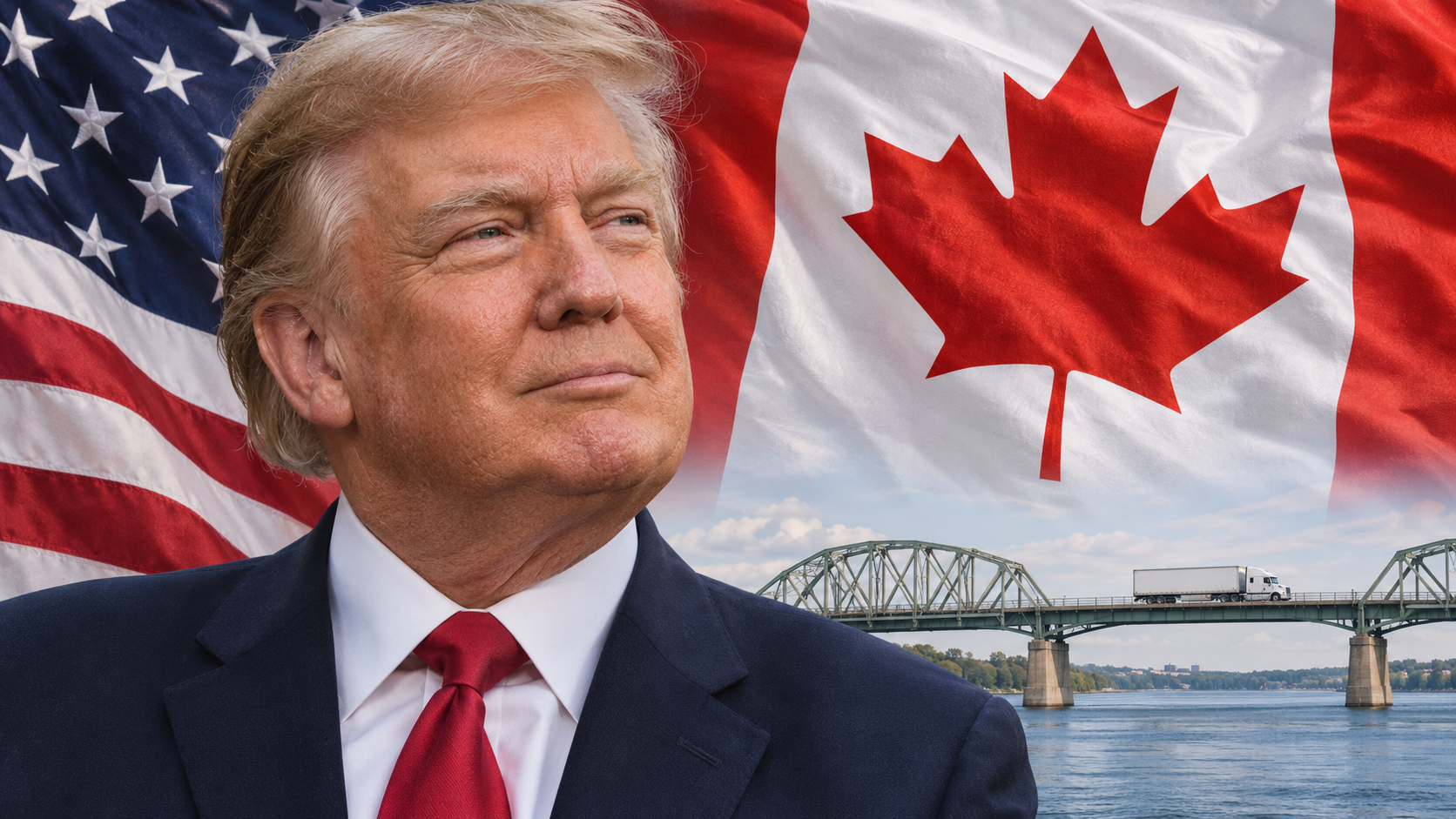
Trump says a deal could benefit American farmers. For Canada, one of the hardest issues is the future of its car factories.
Canada and the United States have moved closer to a trade agreement after a lengthy phone call with President Donald Trump, Canadian Prime Minister Mark Carney told reporters in Manila on Saturday.
Carney said he spoke to Trump before leaving for Europe and Asia this week. Jamieson Greer, the US trade representative, and Stephen Miller, the White House chief of staff, joined the call.
“There is the possibility of a deal, a bilateral deal. But we’re not yet there,” Carney said.
Trump had set out his hopes for American agriculture on 1 November. He told reporters that he and Carney had discussed the outline of an agreement he believed would be “great for our farmers”.
What has changed since August
Canada suspended negotiations in August. Carney said this week that the two sides had since settled differences over protections for the French language and Canadian cultural programming.
Car production remains a sticking point. Carney said on Saturday that any agreement Ottawa accepts must keep its car industry viable. In southern Ontario, manufacturers rely on American suppliers. A component can cross the border by lorry several times before the finished vehicle leaves the factory, according to Transport Canada.
The stakes extend beyond carmaking. US Census Bureau figures show that the two countries traded US$570.4 billion in goods in the first nine months of 2026. American exports to Canada accounted for US$265.9 billion of that total.
