


Flights operated by Iranian airlines have been suspended by the United Arab Emirates and several neighbouring countries after the United States imposed sanctions on companies in third countries that do business with Iran.
The UAE’s General Civil Aviation Authority said all flights by Iranian carriers had been halted until further notice as a result of the new US policy. The UAE is the Middle East’s largest travel hub.
Iranian news agency Tasnim reported that services had also been stopped to Oman, Georgia, Azerbaijan and Baghdad in Iraq. Authorities were said to be working to divert flights to Najaf, a major Shi’ite Muslim pilgrimage site.
The United States has warned that global companies doing business with Iranian airlines after September 23 will face sanctions. The stated aim is to ground Iran’s entire civil aviation fleet worldwide.
Iranian airlines face growing regional restrictions
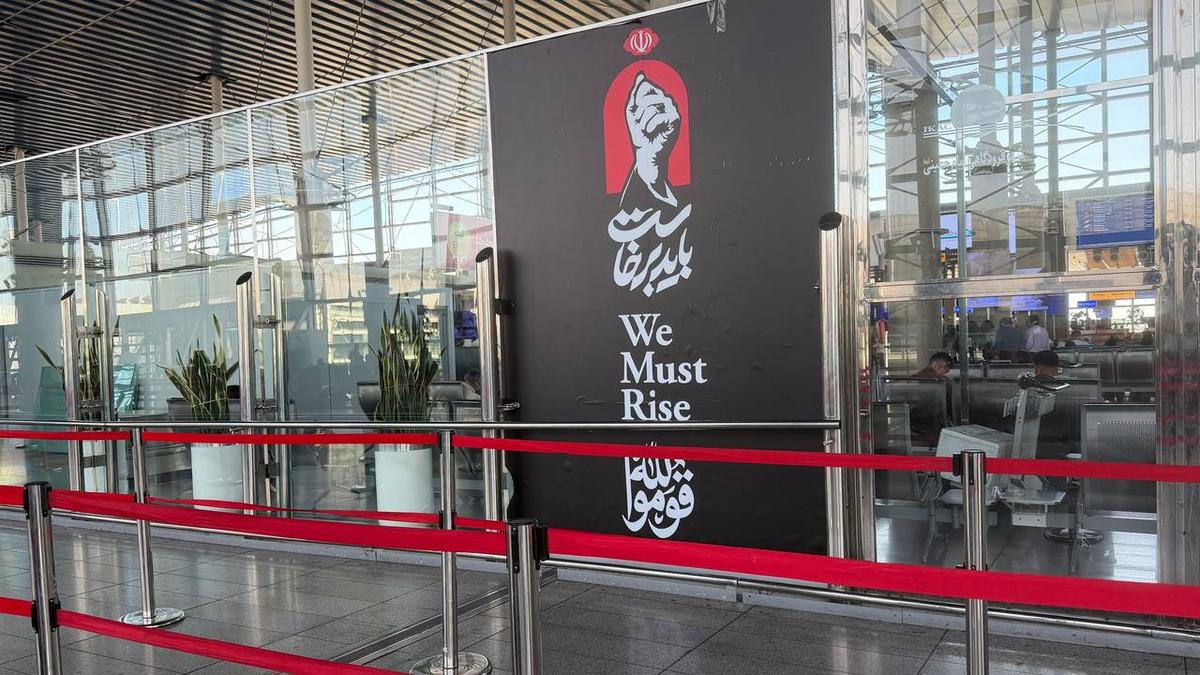
Other Gulf countries also appeared to have restricted Iranian flights. Imam Khomeini Airport in Tehran listed scheduled services to and from Afghanistan, Armenia, China, Iraq, Pakistan, Tajikistan and Turkey on Thursday, but no flights to or from nearby Gulf states were shown.
The Gulf has long been among Iran’s most important regions for business and travel. A sustained flight ban would further isolate the country and deepen an economic crisis already worsened by a US blockade of Iranian ports at sea.
Iran has warned that enforcement of the US-backed air restrictions could trigger an escalation. A senior Iranian official said on Wednesday that airports in any regional country complying with the ban could be made “unusable”.
The measures form part of a change in US strategy, extending financial sanctions to companies based in other countries that continue to do business with Iranian firms. Such measures are known as secondary sanctions.
“We are living in an open-air prison,” a retired teacher in Tehran said in a text message, on condition that her name was not used.
The conflict, described in the source material as the US-Israeli war against Iran, has remained largely stalemated on the battlefield for months. It has disrupted global energy supplies, killed thousands of people and pushed up oil prices.
