


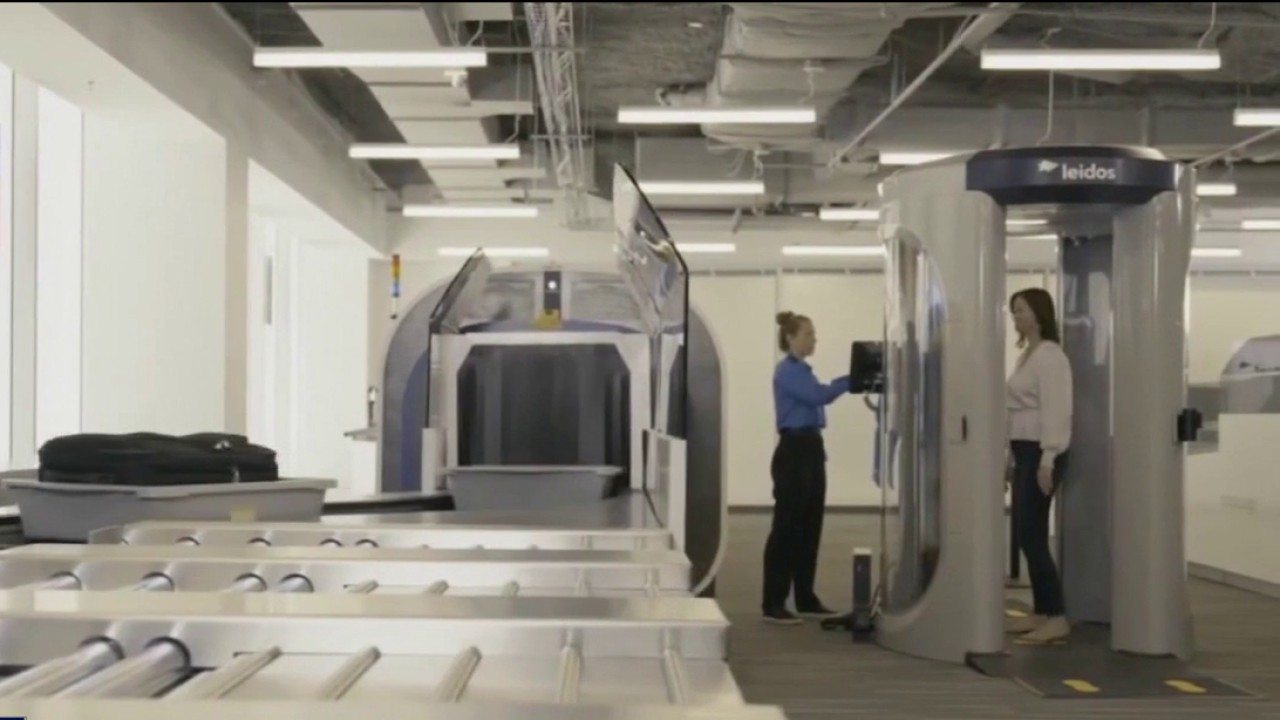
A quarter of a century after the 11 September attacks transformed air travel, the Transportation Security Administration is looking to make airport screening faster and less intrusive without weakening security.
The TSA was created in November 2001, in the aftermath of the attacks, replacing the patchwork of private companies that had previously screened passengers at US airports. Long queues, restrictions on liquids and the removal of shoes became familiar features of flying.
Since then, the agency has introduced technology intended to reduce the burden on travellers. Computed tomography scanners create three-dimensional images of cabin baggage, allowing security officers to examine its contents from different angles and, at equipped checkpoints, leave electronics and permitted liquids inside.
Facial comparison technology is also being deployed at some checkpoints to verify a passenger’s identity against their travel document. The TSA says the systems are designed to improve accuracy and speed, while passengers can decline the facial comparison process.
The future of airport security
The agency’s longer-term plans include wider use of digital identification, biometric checks and automated screening lanes. Its stated aim is to move towards a checkpoint where identity and security checks can be completed with fewer physical documents and less handling of passengers’ belongings.
That does not mean airport security restrictions have disappeared. Travellers must still comply with rules covering liquids, prohibited items and identification, while the technology is being introduced gradually and is not available at every airport.
The TSA says it now screens more than two million passengers a day at more than 440 federalised airports. It has also expanded programmes such as TSA PreCheck, which allows approved travellers to use separate lanes and avoid removing shoes, belts and some electronic devices.
The balance between convenience, privacy and protection remains central to the next stage of aviation security. Twenty-five years after the TSA’s creation, the direction of travel is towards checkpoints that rely more heavily on automation and biometrics, while retaining layers of screening designed to respond to changing threats.
