


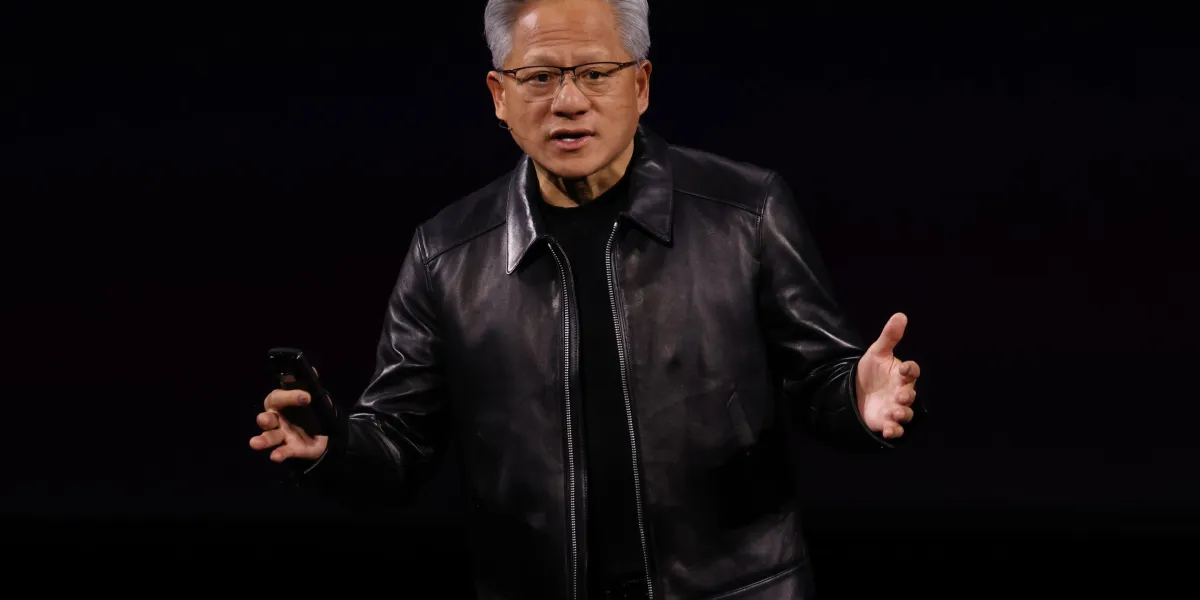
Jensen Huang’s return to Nvidia will face its first major test in Congress next week, with lawmakers set to question the chipmaker’s chief executive over national security concerns, alleged links to Chinese intelligence and the company’s sales to China.
Huang is due to appear before three House committees for a closed-door, transcribed interview on 1 December. Two days later, he will give evidence publicly to the Senate Banking Committee, where the focus is expected to include US export controls.
The hearings follow Nvidia’s decision to reinstate Huang on 23 November, just 11 days after he resigned. The board voted unanimously to bring him back after receiving input from senior levels of the US Government.
President Donald Trump has claimed credit for the reversal, saying: “I made the deal” and “I convinced them.” He said he had been in contact with Nvidia’s board “directly and indirectly”.
The speed of Huang’s return has prompted scrutiny on Capitol Hill. Senator Elizabeth Warren, the Banking Committee’s senior Democrat, described the decision as reckless, while Senator John Cornyn questioned Nvidia’s claim that reinstating Huang posed no national security risk.
Why Congress is examining Huang’s return to Nvidia
Huang stepped down after reports of extramarital affairs, including one involving Alice Huang, a former executive at Singapore-based Megaspeed. The pair are not related.
Megaspeed is a major purchaser of Nvidia chips and has been investigated over allegations that it diverted advanced US chips to China. The company denies the allegations and says it operates lawfully and complies with American export controls.
US officials have not reached a settled view of Alice Huang’s alleged links to Chinese intelligence. FBI assessments have found that US intelligence does not show she is an officer or asset of China’s intelligence services, while some officials regard her contact with China’s Ministry of State Security as evidence of co-operation.
China denies the allegations. Nvidia’s board has said it has no reason to believe that national security or company secrets were compromised.
The known facts do not establish that Alice Huang was recruited to influence Nvidia’s policies or that confidential information was passed to China. But Megaspeed’s business relationship with Nvidia has added to concerns about where the company’s advanced chips may ultimately be used.
Nvidia has also contributed $25 million to Trump’s White House ballroom project. The company sought to remain anonymous, although Huang publicly acknowledged the donation in October 2025 without disclosing the amount.
Senate Minority Leader Chuck Schumer has linked the donation to the administration’s handling of allegations involving Huang. The claims have added a political dimension to the questions facing the company and the White House.
Nvidia, China and the H200 export dispute
Beyond the allegations surrounding Huang, lawmakers are expected to examine his longstanding campaign to preserve Nvidia’s access to the Chinese market.
In January, Huang secured Trump’s approval to sell Nvidia’s H200 chips to China, subject to third-party checks before export. US national security officials were reported to have been frustrated by his efforts to persuade the president to permit the sales.
The Commerce Department is responsible for issuing export licences, but bipartisan legislation in Congress would impose tighter restrictions on chip sales to foreign adversaries and require manufacturers to track sensitive chips after they have been shipped.
Commerce Secretary Howard Lutnick has agreed to testify before the Senate Banking Committee. The committee’s chairman, Tim Scott, has said the hearing will focus on oversight of US export controls.
Nvidia, ranked 16th in the 2026 Fortune 500, produces chips at the centre of the global artificial intelligence boom. The company’s position means that the treatment of Huang could influence both the rules governing sales to China and how rigorously existing restrictions are enforced.
The issue is complicated by China’s efforts to reduce its dependence on foreign technology. Its chipmaking capacity is the largest in the world by wafer volume, but is concentrated in older-generation products, while the country has almost no production capacity for the most advanced chips.
Those high-end processors remain important to the development of artificial intelligence. That leaves lawmakers weighing whether the United States can protect its technological lead and retain the economic benefits of international chip sales while preventing sensitive products from reaching China’s military and strategic sectors.
Nvidia shares rose by more than 30% on the day Huang was reinstated, adding almost $1 trillion to the company’s market value. The response from investors contrasted with the continuing scepticism among lawmakers.
A House Intelligence Committee spokesperson has said Huang’s reinstatement “changes nothing”. Nvidia’s general counsel, Tim Teter, is scheduled to appear before the same House panels on 2 December, one day after Huang’s closed-door interview.
Chris Coons, a Delaware Democrat expected to chair the Senate Foreign Relations Committee in January, has already pledged to investigate what he called the “insane relationship between the Trump Administration, Chinese spies, and AI billionaires”.
