


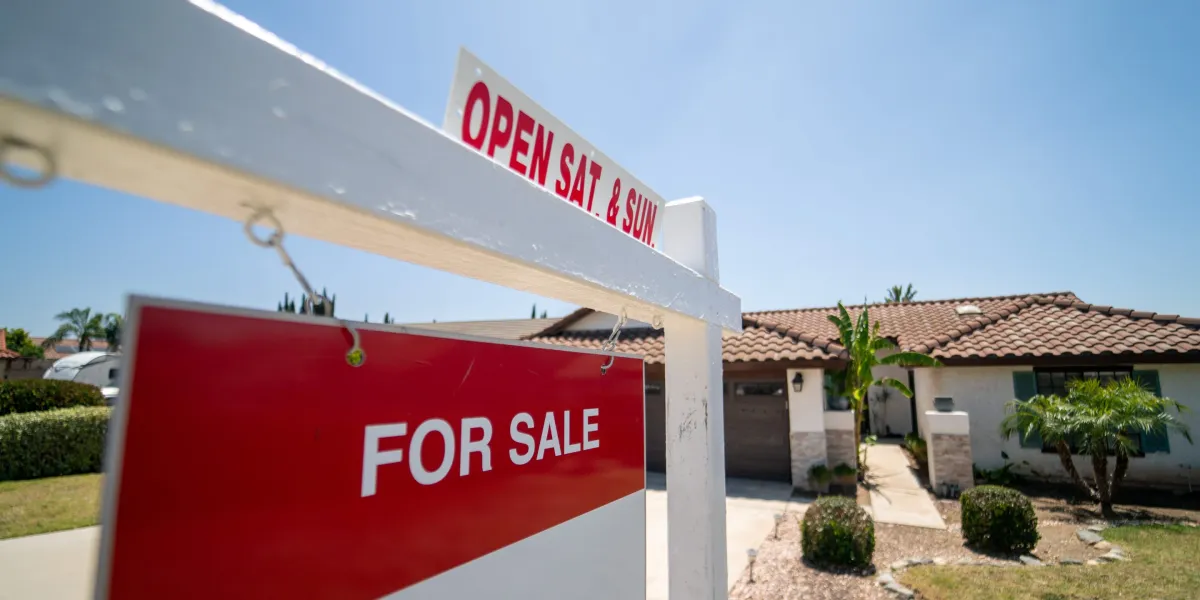
Mortgage rates above 7% are expected to keep the US housing market subdued through the middle of 2027, according to Zillow, with sales forecast to fall by 3.5% and the spring selling season potentially weakened.
The average 30-year fixed-rate mortgage stood at 7.21% on Wednesday, down slightly from 7.28% the previous week but well above the 6.23% recorded at the same time last year, Freddie Mac said.
Borrowing costs have remained above 7% since rising sharply from about 6.60% in July to 7.61% at the start of October. The increase has left many prospective buyers unable or unwilling to proceed with purchases.
Existing-home sales fell by 5.5% in October from the previous month and by 8.8% year on year, reaching an annualised rate of 3.75 million units — the lowest level in 16 years.
Pending sales, which are seen as an indicator of future completions, also fell to a second consecutive record low. They were down 4.7% month on month and 16.7% compared with October last year.
Housing market remains frozen as buyers turn to renting
The slowdown has reduced the rate at which homes change owners to 3.8% a year, below the 5% rate recorded before the financial crisis. Movement between regions has also declined for two years.
Zillow senior economist Kara Ng said rising rents could make it harder for inflation to ease, limiting the support available to the Federal Reserve in 2027.
“New-lease rents are growing at their fastest pace in 2025-2026, so they’re no longer pulling down housing inflation measures, and forecasts for on-market rents have been revised upward in recent months,” she wrote earlier this month.
“In other words, while oil-related developments could ease some inflation pressure, firmer rent growth means the Fed may get less help from shelter in 2027.”
Inflation has accelerated despite oil prices easing as the Iran war continues without a renewed escalation. The latest consumer price index was hotter than expected, with price pressures spreading beyond energy.
The housing freeze is also contributing to inflation, as would-be buyers remain in rented accommodation and add to demand for homes to let. Zillow chief executive Jeremy Wacksman said rents were nearly 20% higher in the third quarter.
“That is buyers just not being able to afford the homes they were looking at,” Mr Wacksman told CNBC earlier this month. “They were thinking about a mortgage and then they couldn’t pull the trigger, and so now they’re renting longer.”
The wider US economy is continuing to support demand. Investment by artificial intelligence hyperscalers in data centres and other infrastructure is expected to exceed $1 trillion in 2027, while third-quarter gross domestic product grew by 4.3% and fourth-quarter growth is forecast at 2.9%.
Strong wages and resilient consumer spending are allowing businesses to pass on higher costs, adding to inflationary pressure and making an easing in borrowing costs less likely in the near term.
However, Ms Ng said a broader economic slowdown or quicker progress on inflation could bring mortgage rates down sooner. Zillow expects housing inventory to rise by about 11% next year, which could provide enough supply if buyers return.
Mr Wacksman said the one-percentage-point rise in mortgage rates over three months was among the fastest increases seen in decades. The purchase mortgage market has since fallen 4% year on year and is expected to be down by 10% to 15% in the fourth quarter.
