


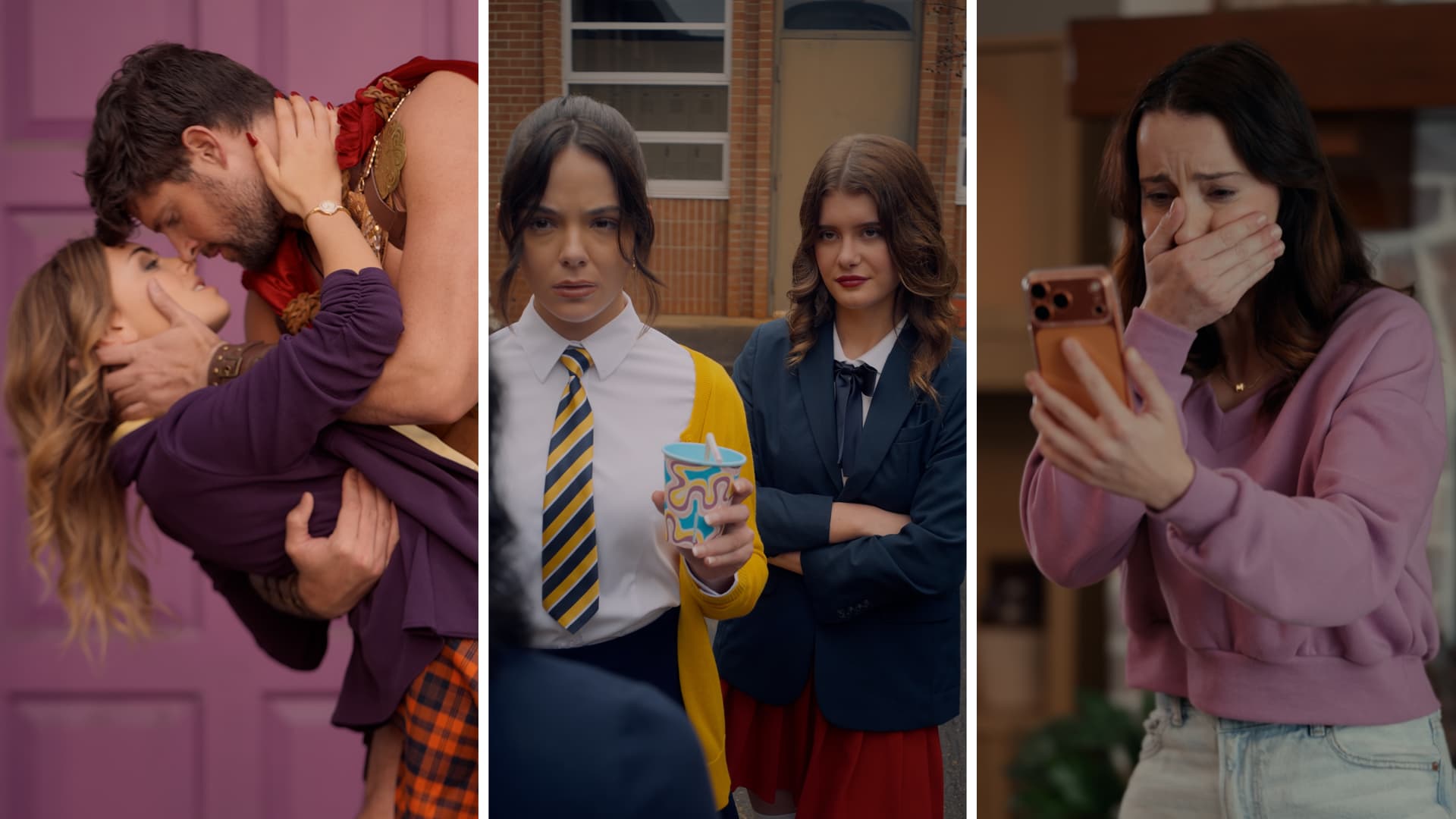
Hollywood and major streaming companies are moving into the fast-growing microdrama industry, commissioning short, vertical video series designed for viewing on mobile phones as audiences’ habits shift towards bite-sized entertainment.
The format typically uses romantic storylines, rapid episodes and cliffhangers to keep viewers returning. It has generated billions of views in 2026, while the US market is projected to produce $1.5 billion in revenue this year.
In China, where the format first became popular, microdrama revenue exceeded domestic box-office takings in 2024. Bogdan Nesvit, co-founder of the My Drama app, said the ambition was to create “Disney for the 21st century” and develop mobile-first streaming on the scale of Netflix.
Technology companies and start-ups still dominate downloads and viewing time. TikTok’s PineDrama was the most downloaded microdrama app in the US during the first nine months of 2026, with 13.2 million downloads, according to Sensor Tower.
DramaBox and ReelShort also recorded more average mobile usage time in the third quarter than Netflix and Disney, the market intelligence firm said.
Hollywood backs microdrama platforms
Fox Entertainment was among the first Hollywood companies to invest in the sector, taking an equity stake in Holywater Tech, the company behind My Drama, in October 2025.
Under the agreement, Fox committed to producing at least 200 vertical video titles over two years for the Holywater app. Its releases have included the dark academia drama Secret Society: Till Blood Do Us Part and Kiss of the Pirate King, with individual series reaching tens of millions of views, according to Holywater.
Holywater has also adapted Fox’s reality programme Farmer Wants a Wife into a microseries and plans a scripted production of 30 three-minute episodes inspired by Fear Factor: House of Fear.
Nesvit said partnerships gave established studios the technical infrastructure to distribute short-form productions, as well as detailed information about how audiences respond to each moment of an episode.
Holywater’s feedback can cover decisions ranging from the length of a camera shot to the colour of a character’s dress. Its business model is based largely on subscriptions, which account for about 80% of revenue, alongside advertising and potential brand integrations.
The company’s co-founder Anatolii Kasianov said an average 70-minute series cost between $150,000 and $200,000 to produce. He added that working with established content owners could reduce the cost of attracting viewers, because fans of the underlying programmes or characters could be reached organically.
Other Hollywood executives are creating platforms of their own. Jana Winograde, Susan Rovner and Lloyd Braun, who have held senior roles at NBCUniversal, Showtime, Warner Bros Discovery and ABC, launched the microdrama company aTwist in September.
The service has attracted tens of millions of views across TikTok, Instagram and YouTube, as well as on its app. Its productions include Theater Kids vs. Zombies, made with Modern Family actor Jesse Tyler Ferguson and Broadway producer Justin Mikita, alongside series starring Mario Lopez and Paris Hilton.
Rovner said aTwist was seeking to distinguish itself through its storytelling and ability to build long-running audiences. The company has already ordered second seasons of some programmes.
In May, aTwist agreed an exclusive partnership with Skydance’s BET channel to make horizontal microdramas for television before later releasing them in vertical form on its app. Jana Winograde said the arrangement could give traditional networks low-cost programming while raising awareness of aTwist.
Streaming services test vertical video
Established streaming platforms are also adding short-form video to their existing services. Peacock launched a vertical channel during the summer featuring original unscripted programmes and more traditional vertical dramas.
NBCUniversal has invested in Indian microdrama platform Story TV, while Disney+, Paramount+ and Netflix launched vertical channels within their services in 2026. Those channels have so far largely been used to help viewers discover existing traditional content rather than showcase original vertical-first series.
Mike Hopkins, head of Prime Video and Amazon MGM Studios, has also said the company was interested in producing its own microdramas.
But the rapid growth in viewing has not automatically translated into profits. ReelShort, one of the leading US apps, recorded a net loss of $12 million in 2025 despite revenue of $785 million, according to Media Partners Asia.
The app is expected to make a net profit of $40 million in 2026. However, Media Partners Asia estimated that ReelShort spent 55% of its revenue on marketing in 2025, while the company also faces the cost of producing a constant supply of new series.
Vivek Couto, the firm’s chief executive, said microdrama content was “very hit-driven” and quickly became outdated. With churn across the most downloaded apps averaging nearly 60% in 2026, platforms must continually replace programmes and persuade former users to return.
