


An independent review of child protection services in the Pilbara will examine how a dozen children were reportedly found living unsupervised in squalid conditions in South Hedland.
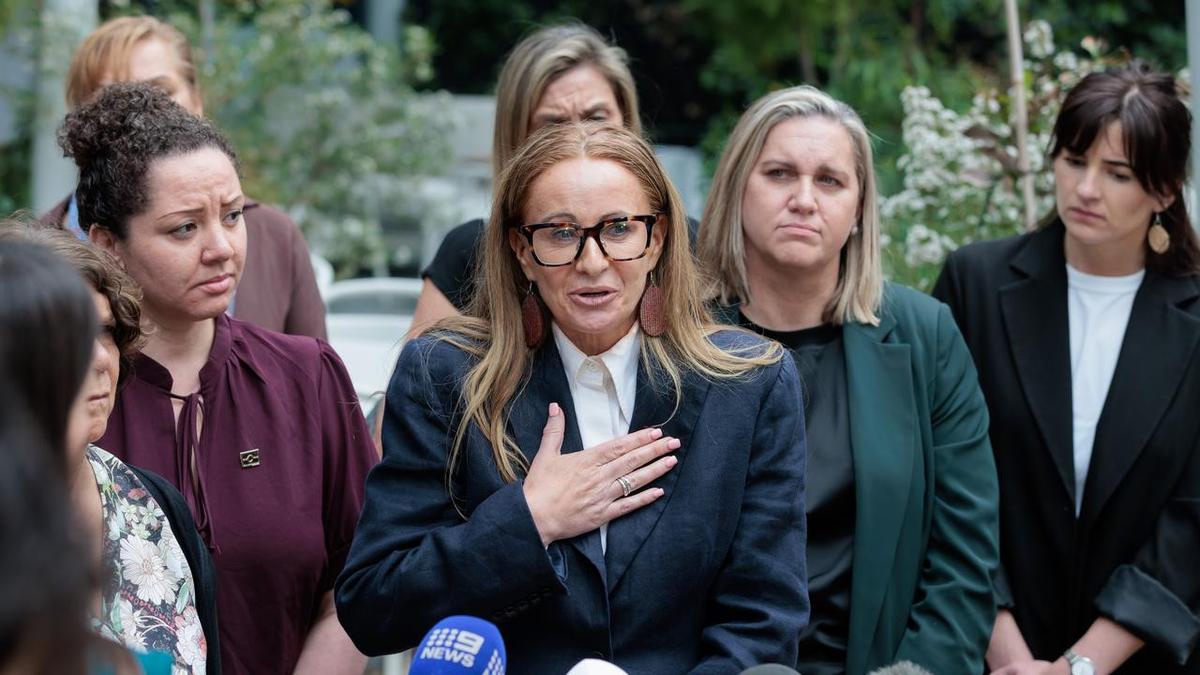
Sue-Anne Hunter, the national commissioner for Aboriginal and Torres Strait Islander Children and Young People, said the circumstances demanded urgent answers after returning to Perth on Friday.
“We will continue to see the same things happen again and again if urgent action is not taken,” she said.
Reports of the children living in a South Hedland home, about 1,600km north of Perth, triggered a political storm. The family was subsequently removed, while Western Australia’s Child Protection Minister Jessica Stojkovski and Ms Hunter visited the town.
Review to examine Pilbara child protection system
The National Commission will assess child protection and wider child and family support services across the Pilbara. It will consider how children move through the system and what happens when services fail.
The Western Australian child protection department has also faced accusations that it failed to act in an earlier case involving an Indigenous mother convicted of murdering her three young children in Port Hedland in 2022.
Aboriginal Elders have called for a royal commission into the state’s child protection agency and for Ms Stojkovski to resign. The minister has declined to do so, saying she would listen to the community.
Human rights advocate Hannah McGlade said child protection systems had failed and authorities had not listened to Aboriginal women about keeping children and families safe.
“If we don’t act now, this is incredibly dangerous to children,” she said. “We have the commitment, we have the solutions, and we want to go forward and work closely with the state government on these issues.”
Chad Stewart, chief executive of the Council of Aboriginal Services WA, said the state was behind other parts of Australia in providing child protection-related services.
“In WA we just don’t have many Aboriginal community organisations providing child protection-related services to out-of-home care,” he said. “Communities know their patch.”
Ms Hunter, Indigenous Elders, Aboriginal community-controlled organisations, academics, child protection experts and advocates have called for stronger safeguards for Indigenous children.
They want Western Australia to establish an independent Aboriginal and Torres Strait Islander Children’s Commissioner, bringing the state into line with other jurisdictions. The proposed office would monitor and advance the rights of First Nations children across the state.
The group has also called for an independent peak body representing Aboriginal and Torres Strait Islander children and families.
The state Labor government has announced measures for vulnerable and at-risk children in the Port Hedland area, including additional child protection staff and a local co-ordination group.
The group is intended to improve co-operation between services including child protection, police, housing and youth justice.
A state government spokesperson said the safety and wellbeing of children was a top priority and that officials were committed to working with vulnerable children and families to provide the support they needed.
“The premier would welcome the opportunity to discuss the outcomes of the roundtable with the national commissioner and welcomes the rapid review,” the spokesperson said.
“It is important to note, these issues are complex and longstanding, and there is no simple fix. Real generational change will require all levels of government to work together.”
