


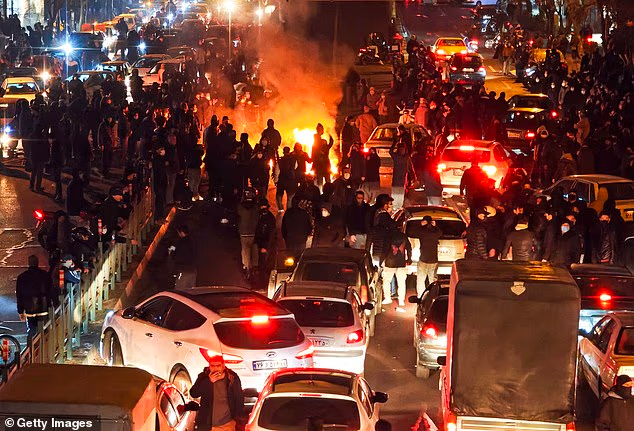
A new documentary has brought fresh scrutiny to the alleged scale of Iran’s crackdown on protesters, with doctors estimating that as many as 30,000 people were killed during two days of violence in January.
The claims are examined by Daily Mail reporters Natalie Lisbona and Andrew Jehring in the latest episode of the Deep Dive podcast, following the release of This Is Our Story by the London-based Iranian opposition broadcaster Manoto.
The four-part documentary has been assembled from thousands of videos allegedly smuggled out of Iran by people who risked their lives to record the unrest. It focuses on the violence on January 8 and 9, when security forces moved to suppress protests that had spread across the country.
The demonstrations followed a collapse in the currency and soaring inflation. The protesters were overwhelmingly unarmed, although footage indicates that many understood the dangers they faced.
Information about the crackdown has been difficult to establish because the Iranian regime cut off internet access on the night of January 8, as the killings began. Many witnesses were also killed, leaving few able to describe what happened.
Jehring said the material showed “the most appalling footage that I’ve ever seen”, including what he described as the “sheer scale of violence and bloodshed”.
He said injured people could be seen bleeding in the streets and using belts as makeshift tourniquets. Other footage allegedly showed strangers comforting one another, while teenagers hid in their homes as gunmen moved outside.
Jehring also described reports of security personnel following trails of blood into homes and moving between hospital beds to execute wounded protesters. Images from morgues allegedly showed piles of bodies bearing gunshot wounds to the head, with hospital equipment still around them.
The Basij, the Islamic Republic’s plain-clothes militia, was among the security forces involved in the crackdown, according to the account. The documentary’s footage is intended to show the extent of the violence only now becoming widely known outside Iran.
Lisbona said Iranian dissidents had been left disappointed by the limited international attention given to the killings. “Very few people were paying attention to one of the biggest massacres of unarmed protesters in history,” she said.
The reported deaths came weeks before US-Israeli airstrikes killed Iran’s leader, Ayatollah Ali Khamenei, in February. If the doctors’ estimate is accurate, the toll would make the crackdown the bloodiest massacre of protesters in modern history.
